Ischemic Compression is a manual therapy technique commonly used in the treatment of painful muscle points known as trigger points (muscle knots).
Its basic principle is to apply controlled pressure to the painful area for a specific period, temporarily restricting blood flow, and then releasing the pressure to create a surge of blood flow to the area (a “washout” effect).
How Is It Applied?
The application generally follows these steps:
Trigger Point Identification:
The most sensitive and tense point in the muscle (the trigger point) is located by palpation.
Pressure Application:
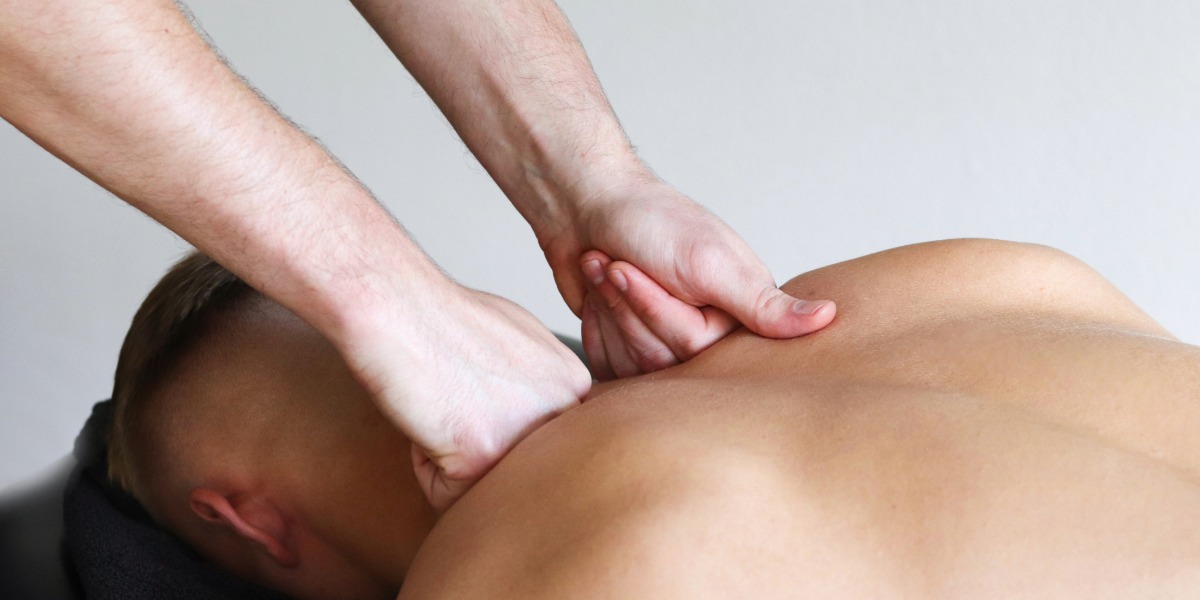
Using the thumb, knuckle, or a specialized massage tool, vertical pressure is applied to this point according to the patient’s pain tolerance (usually around 7–8 out of 10).
Holding Phase:
The pressure is maintained steadily for approximately 30 to 90 seconds. During this time, temporary ischemia (reduced blood supply) occurs in the tissue.
Release:
The pressure is suddenly released. The body rapidly sends fresh blood and oxygen to the area (reactive hyperemia).
Why Does It Work?
Several biological mechanisms explain the effectiveness of ischemic compression:
Improved Oxygenation:
Trigger points often remain contracted continuously and become deprived of oxygen. The post-pressure blood flow helps clear metabolic waste and nourishes the cells.
Breaking the Pain Cycle:
Sustained pressure suppresses pain signals at the nerve endings, helping the brain reduce the persistent “tension command” sent to that area.
Muscle Relaxation:
It mechanically elongates muscle fibers and allows them to return to their normal resting length.
Situations Requiring Caution
Although this technique is highly effective, it should not be applied in every case:
Inflamed Areas:
It should not be used in the presence of acute injury or swelling.
Circulatory Disorders:
Areas with deep vein thrombosis (clots) or varicose veins should be avoided.
Correct Pressure Intensity:
Too little pressure will be ineffective, while excessive pressure may cause tissue damage.
This technique should generally be performed by physiotherapists or experienced massage therapists.
Incorrect application may lead to nerve compression or bruising.