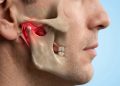
Although breathing often feels like an automatic action we perform without awareness, how we breathe has a direct impact on many systems in the body. Long-term mouth breathing, in particular, can lead to consequences that extend far beyond the respiratory system and are closely related to the musculoskeletal system, posture, and pain mechanisms.
In this article, we will step by step explore why mouth breathing can contribute to pain, which areas of the body may be affected, and how this mechanism works.
Proper Breathing: The Role of Nasal Breathing
The nose is not merely a passageway for air. Breathing through the nose:
-
Filters the air
-
Humidifies and warms it
-
Allows more controlled and balanced airflow to the lungs
-
Supports more effective diaphragm function
This process promotes the body’s relaxation and balance system (the parasympathetic nervous system). When breathing occurs through the mouth, many of these physiological advantages are bypassed.
Mouth Breathing and the Musculoskeletal System
In individuals who habitually breathe through the mouth, certain postural adaptations may develop over time:
-
Forward head posture
-
Increased tension in the upper neck and shoulder muscles
-
A tendency to breathe from the upper chest rather than the diaphragm
These changes can increase mechanical load particularly in the following areas:
-
Neck
-
Shoulder girdle
-
Upper back
-
Jaw region
When superficial muscles remain constantly active, they begin to compensate for deeper stabilizing muscles. Over time, this can result in muscle fatigue, stiffness, and pain.
Connection to Jaw, Facial, and Head Pain
During mouth breathing:
-
The jaw often remains in an open position
-
The natural contact between the tongue and the palate decreases
-
Chewing and facial muscles are unable to fully relax
Over the long term, this may contribute to:
-
Tension around the jaw
-
Facial muscle sensitivity
-
Tension-type headaches
Breathing Patterns and the Central Nervous System
Mouth breathing encourages a faster and more superficial breathing pattern. This can:
-
Increase the stress response
-
Keep the nervous system in a constant state of alertness
As nervous system sensitivity increases, pain perception may be more easily triggered. In other words, even in the absence of structural damage, a person may experience more pain.
Does Mouth Breathing Cause Pain in Everyone?
It is important to clarify one key point:
Not everyone who breathes through the mouth will necessarily experience pain.
However, the risk increases significantly when:
-
Mouth breathing has been present for a long time
-
There are accompanying postural issues in the neck, jaw, or shoulders
-
Stress levels are high and breathing is shallow
When these factors coexist, pain becomes much more likely.
What Can Be Done?
To reduce the effects of mouth breathing:
-
Develop awareness of breathing patterns throughout the day
-
Learn to breathe through the nose and into the diaphragm
-
Assess tension in the neck and shoulder region
-
Reevaluate postural habits related to breathing
In some cases, breathing exercises alone may be sufficient. In others, the neck, jaw, and upper body should be addressed together as part of a comprehensive approach.
Conclusion
Mouth breathing is not a disease in itself; however, over time it can become a habit that challenges the body’s balance mechanisms. This may create a foundation for pain, particularly in the neck, jaw, and upper back.
Evaluating pain not only at its location but also in relation to breathing, posture, and the nervous system allows for more lasting and meaningful outcomes.