Modern life’s stress, irregular breathing habits, and sedentary lifestyle have direct effects on the autonomic nervous system. At this point, practices focused on the diaphragm and the vagus nerve hold a significant place in supporting both physical and mental health.
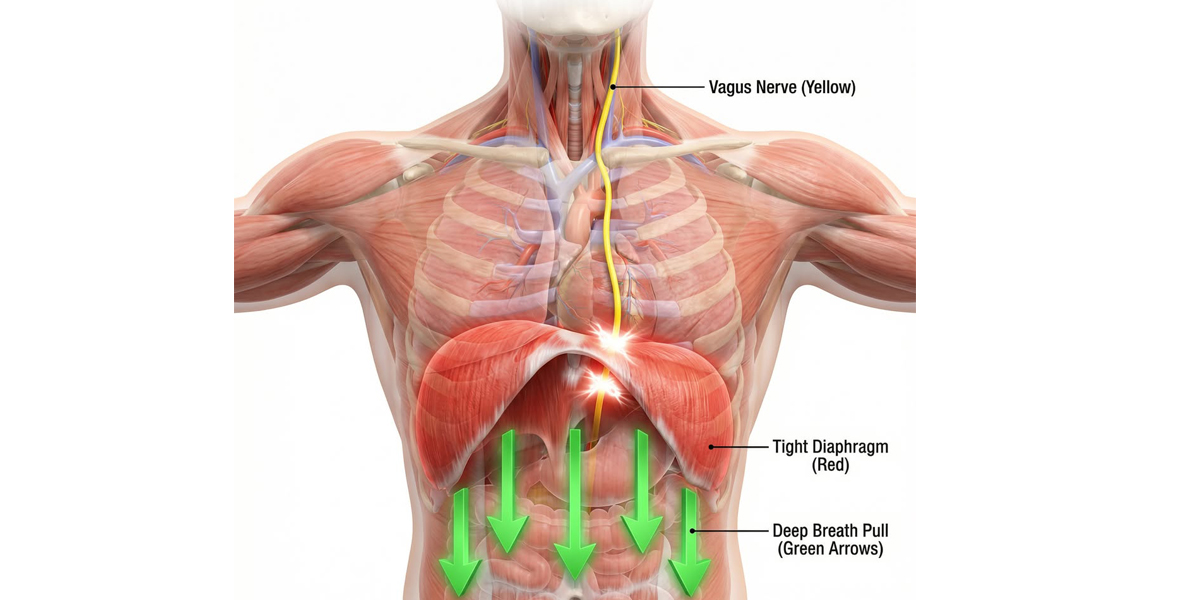
The diaphragm is not only the primary muscle of respiration but also a structure that influences posture, circulation, and nervous system regulation. While shallow and rapid breathing habits prevent the diaphragm from being used actively enough, this situation can lead to musculoskeletal problems and increased stress levels over time.
The vagus nerve is one of the most important components of the parasympathetic nervous system and activates the “rest and digest” response. It affects many vital functions such as heart rate, digestion, respiration, and emotional regulation. The efficient functioning of the vagus nerve is critically important for reducing stress, increasing sleep quality, and supporting general well-being.
Diaphragm and vagus nerve interventions generally include the following approaches:
-
Diaphragmatic breathing exercises
-
Slow and rhythmic breathing techniques
-
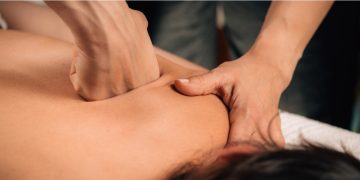
Diaphragm mobilization with manual therapy
-
Relaxation practices for the neck and thoracic region
Through these techniques, parasympathetic activity can be increased, strengthening the individual’s capacity to cope with stress. At the same time, positive effects are observed on chronic pain, anxiety, and respiration-related problems.
Scientific studies show that controlled breathing techniques increase heart rate variability and improve vagal tone. This helps the body give more balanced responses to stress.
In conclusion, conscious work on the diaphragm and vagus nerve offers an effective approach that supports not just respiratory quality, but holistic health. It is possible to maintain both physical and mental balance through regular practices.
Emre Yaz
Specialist Physiotherapist