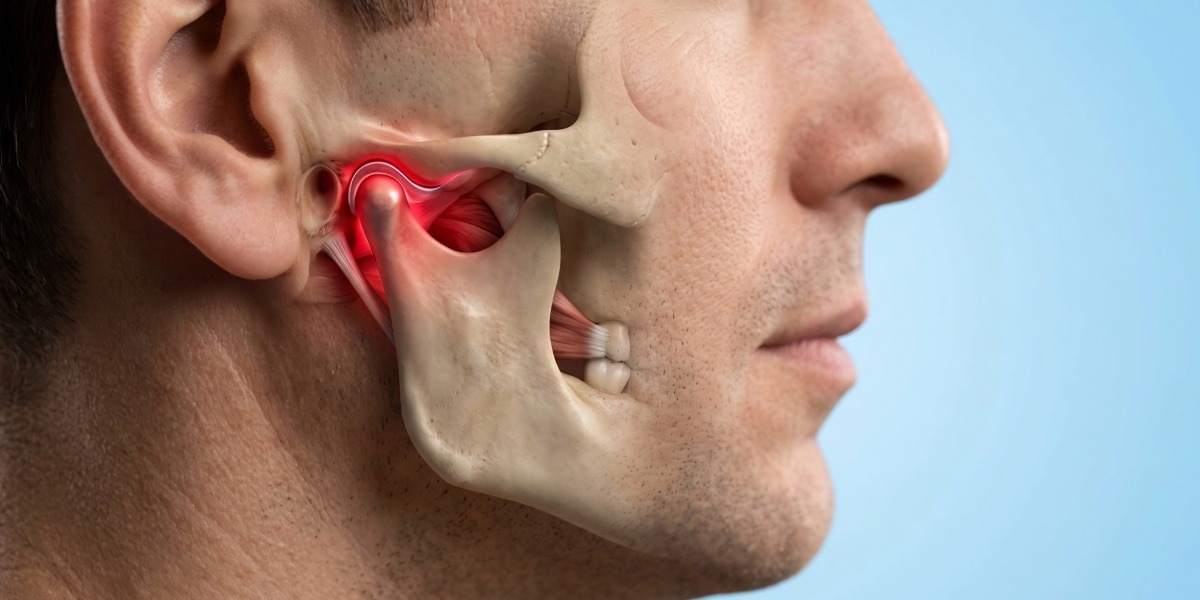
The temporomandibular joint (TMJ) is a complex structure that controls jaw movements while also functioning in close connection with the head and neck region. Throughout the day, it plays an active role in many essential functions such as speaking, chewing, swallowing, and maintaining postural balance. Functional impairments in this structure such as disc displacement, muscle spasms, or joint blockage can affect not only the jaw region but also the head, neck, face, and even the autonomic nervous system.
One of the commonly observed mechanisms in TMJ internal disorders is the deviation of the articular disc from its normal anatomical position. While this may present with clicking sounds in some individuals, in more advanced cases it can lead to limited mouth opening, a “closed lock” sensation, jaw deviation, and widespread pain patterns. Particularly in cases such as non-reducing disc displacement, mechanical blockage reduces joint mobility and may cause compensatory overload in surrounding muscles.
One of the notable aspects of TMJ dysfunction is its relationship with headaches. This connection is based on neuroanatomical pathways involving the trigeminal nerve, the trigeminocervical complex, and upper cervical structures. Persistent irritation originating from the jaw joint or surrounding muscles may influence central sensitization mechanisms, contributing to tension-type headaches, migraine-like symptoms, or cervicogenic pain patterns. Pain may not remain localized to the joint; instead, it can radiate to the temples, behind the eyes, forehead, or neck.
The role of stress in this process should also not be overlooked. Psychophysiological stress can increase TMJ load through bruxism, teeth clenching, and elevated tone in the masticatory muscles. Excessive activity in muscle groups such as the masseter, temporalis, and pterygoids can increase compressive forces on the joint, worsening the condition at both mechanical and neuromuscular levels. Therefore, the TMJ should be considered not merely as a local joint but as part of a comprehensive neuromuscular system.
At this point, manual therapy approaches stand out as supportive interventions for restoring functional balance. Mobilization techniques aim to improve joint range of motion, reduce mechanical restrictions, and enhance synovial mobility. In addition, intraoral and extraoral soft tissue techniques may help reduce excessive load in the masseter, temporalis, and deep masticatory muscles. Clinical evidence suggests that these approaches may be associated with reduced pain intensity, increased mouth opening, and improved muscle activity regulation.
Myofascial trigger points are also considered an important component in TMJ-related headaches. Trigger points in the jaw muscles can produce not only local tenderness but also referred pain patterns in distant regions. Therefore, soft tissue–focused interventions are important not only for muscle relaxation but also for neuromuscular regulation.
Posture is another critical factor in TMJ function. Forward head posture, in particular, may place additional stress on both upper cervical segments and the temporomandibular system. When evaluated within the head–neck–fascia chain, a bidirectional relationship between cervical alignment and jaw function becomes evident. For this reason, TMJ-focused approaches should also include cervical assessment, postural analysis, and supportive exercises.
The current approach suggests that TMJ-related disorders should be addressed not only through symptoms but also through mechanical, neurological, and functional dimensions. Early identification of functional impairments and their management through appropriate evaluation and supportive interventions may help reduce the risk of chronicity.
Melis Hatun Artunç
Physiotherapy Technician
References
- Okeson JP. Management of Temporomandibular Disorders and Occlusion. Elsevier.
- De Leeuw R, Klasser GD. Orofacial Pain Guidelines. Quintessence Publishing.
- Wilkes CH. Internal derangements of the temporomandibular joint.
- National Center for Biotechnology Information (NCBI) – Temporomandibular Disorders.
- Cleveland Clinic – Temporomandibular Disorders Overview.
- ClinicalTrials.gov – Physical Exercises for Temporomandibular Disorders.