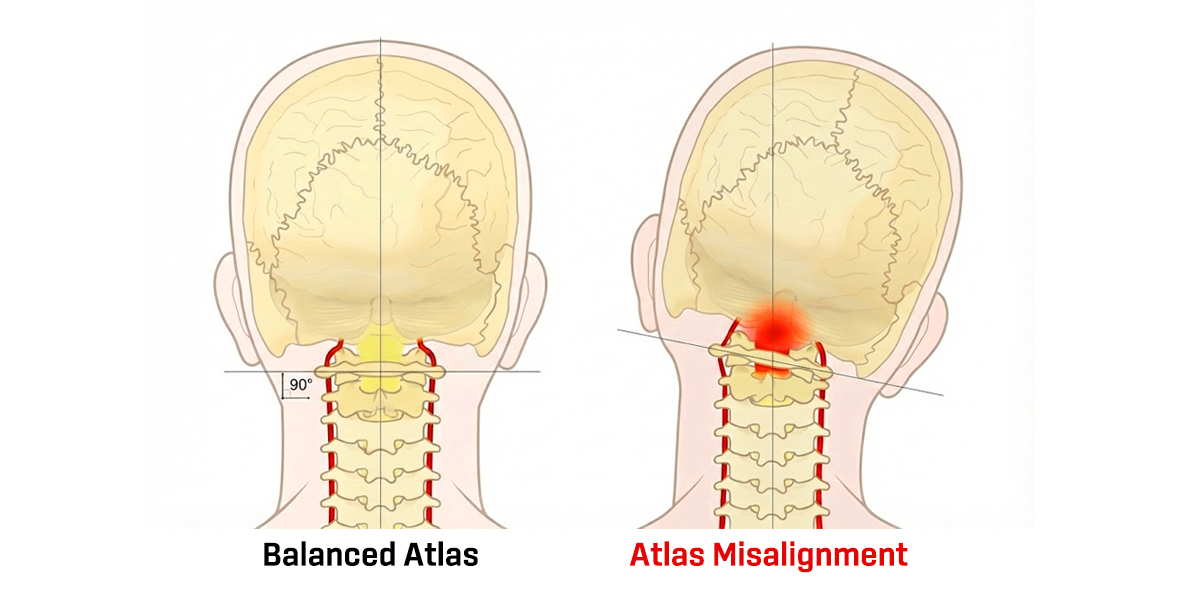
Cervicogenic Hearing Loss and Atlas Therapy
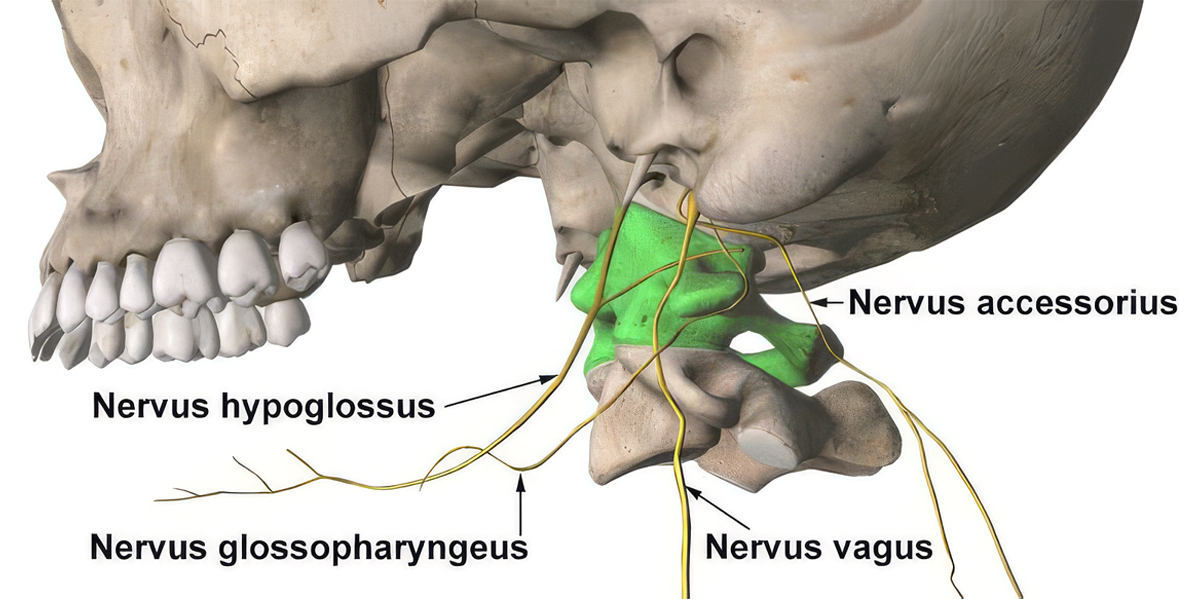
There are studies suggesting that functional disorders of the upper cervical spine may play a role in the development of ear-related symptoms such as tinnitus, vertigo, otalgia (ear pain), aural…
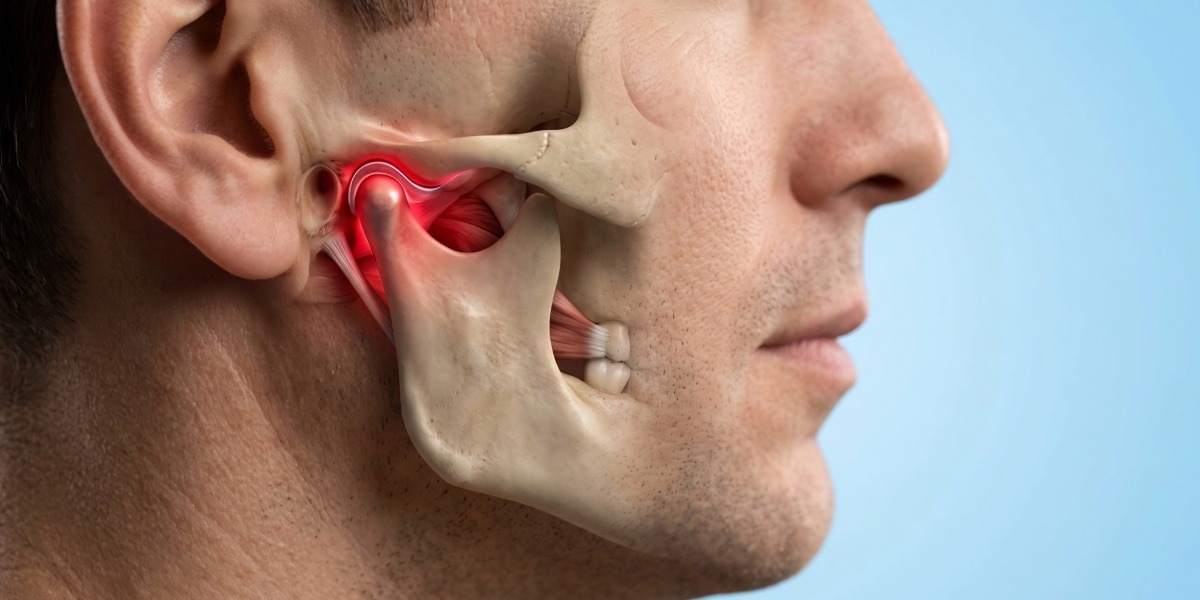
The temporomandibular joint (TMJ) is a complex structure that controls jaw movements while also functioning in close connection with the head and neck region. Throughout the day, it plays an…

“Some people continue to feel constantly tired, tense, and in pain even though all their test results are completely normal.” This situation is much more common than it is thought…
Modern clinical medicine and neurobiology research is making revolutionary progress in understanding the somatic reflections of mental processes. Cervical muscle tension, one of the most prominent physical manifestations of psychological…
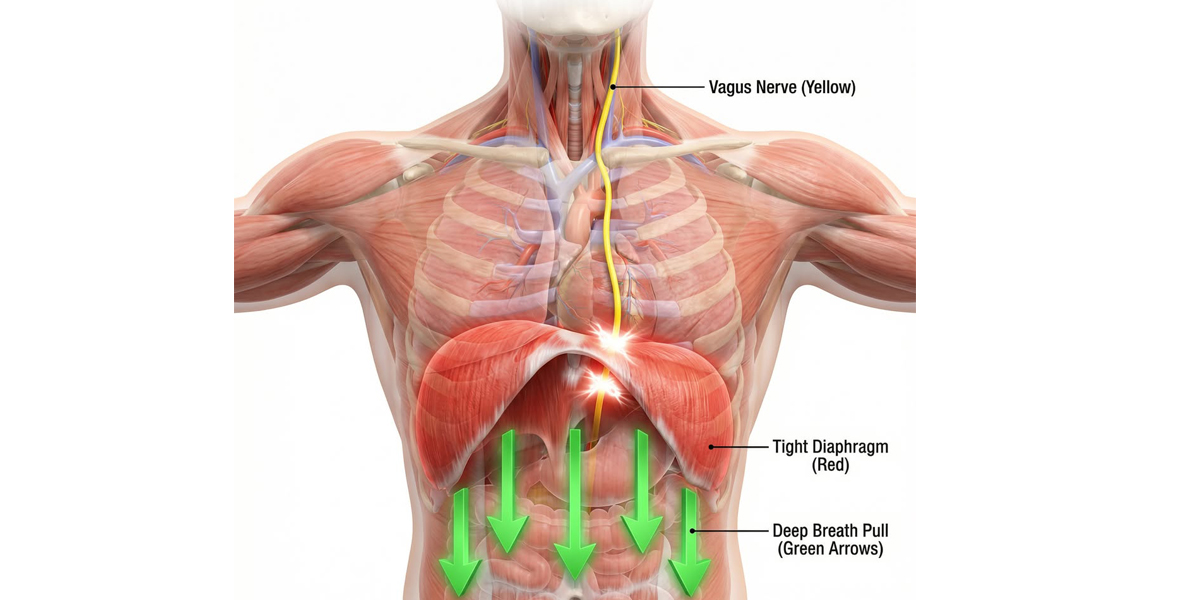
Modern life’s stress, irregular breathing habits, and sedentary lifestyle have direct effects on the autonomic nervous system. At this point, practices focused on the diaphragm and the vagus nerve hold…
One of the most frequent scenarios we encounter in the clinic involves patients who come to us with a diagnosis of cervical disc herniation, yet have struggled to find any…
Could your jaw pain actually stem from tension in your lower back? Let’s explore the secrets of the body’s "invisible web" and the holistic approach of Atlas Therapy. Jaw pain,…
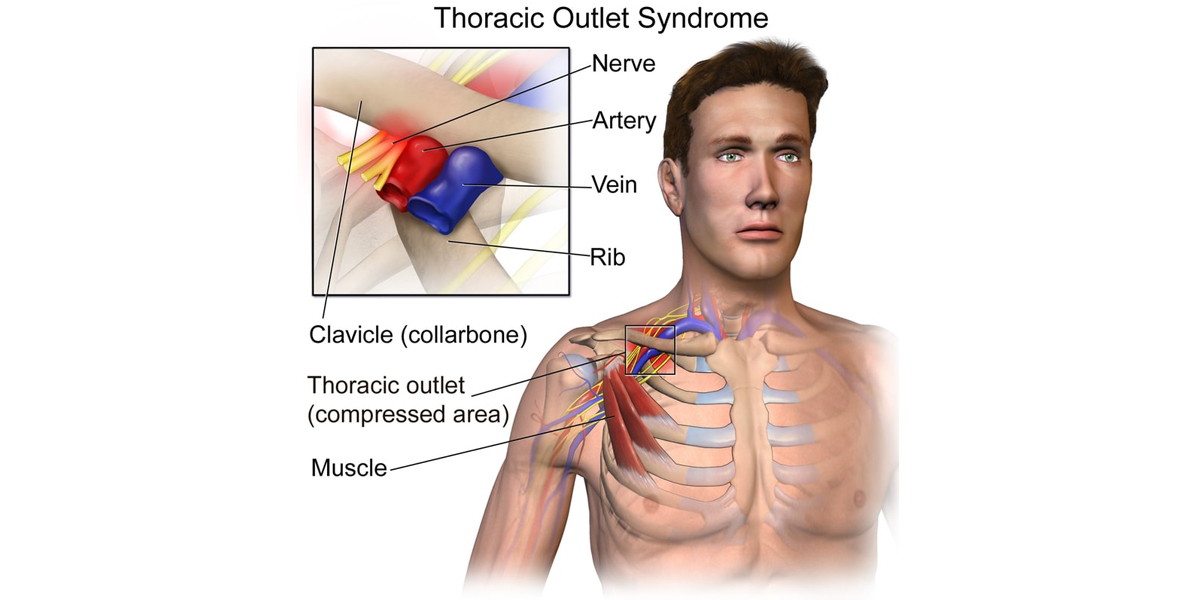
The modern lifestyle constantly forces us into forward-leaning positions, hunching over keyboards, and remaining sedentary. The price for this is usually paid in the form of thoracic spine (mid-back) stiffness.…
A functional evaluation from the top of the head to the ankle INTRODUCTION The atlas (C1) is the first vertebra of the spine and serves as the transitional segment between…
How many hours a day do you spend looking at your phone screen? If your answer is “a few hours,” you’re not alone. But the part of your body that…