
Paresthesia: Causes and Clinical Assessment
Paresthesia refers to abnormal sensory feelings such as tingling, numbness, burning, stabbing, or “pins and needles,” most commonly felt in the hands, arms, legs, or feet. Causes of Paresthesia The…

Paresthesia refers to abnormal sensory feelings such as tingling, numbness, burning, stabbing, or “pins and needles,” most commonly felt in the hands, arms, legs, or feet. Causes of Paresthesia The…

Cerebral palsy, commonly known as brain paralysis (CP), is a permanent but non-progressive movement and posture disorder that appears in infancy or early childhood. It is caused by damage in…

Fat accumulation or swelling that appears in the nape is a condition sometimes observed in children. While it may result from simple causes, in some cases it requires closer monitoring.…
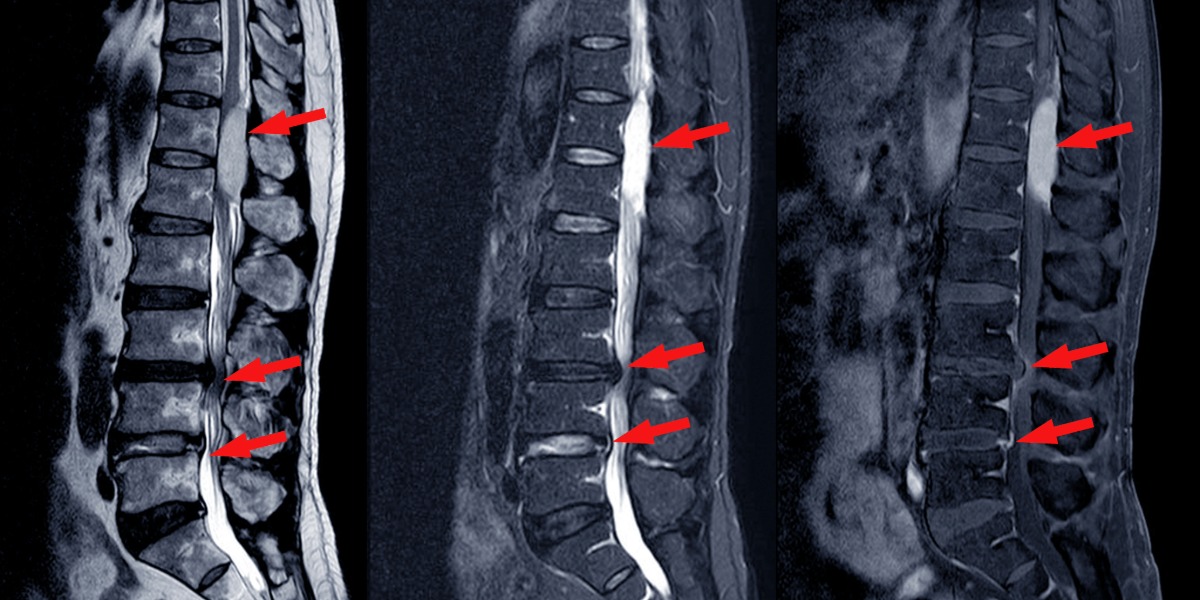
The term “stenosis” in medicine means “narrowing.” Spinal stenosis is the condition where the canal through which the spinal cord passes becomes narrowed for various reasons, putting pressure on the…

Today, one of the most common problems faced by desk workers, those who stand for long hours, or people who carry heavy loads is a herniated disc. In particular, lower…

1. What is Tennis Elbow (Lateral Epicondylitis)?Tennis elbow is a condition caused by the overuse of the forearm muscles and the tendons that attach to the wrist. Typically, the extensor…
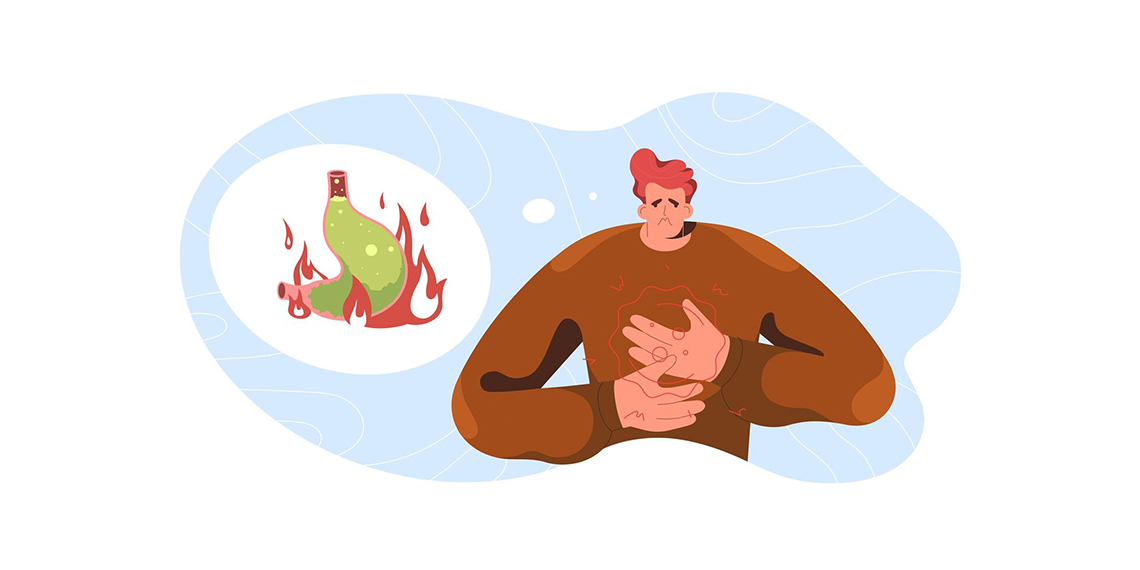
Reflux, or gastroesophageal reflux disease (GERD), is a common health issue characterized by the backflow of stomach contents into the esophagus. This condition can lead to symptoms such as a…
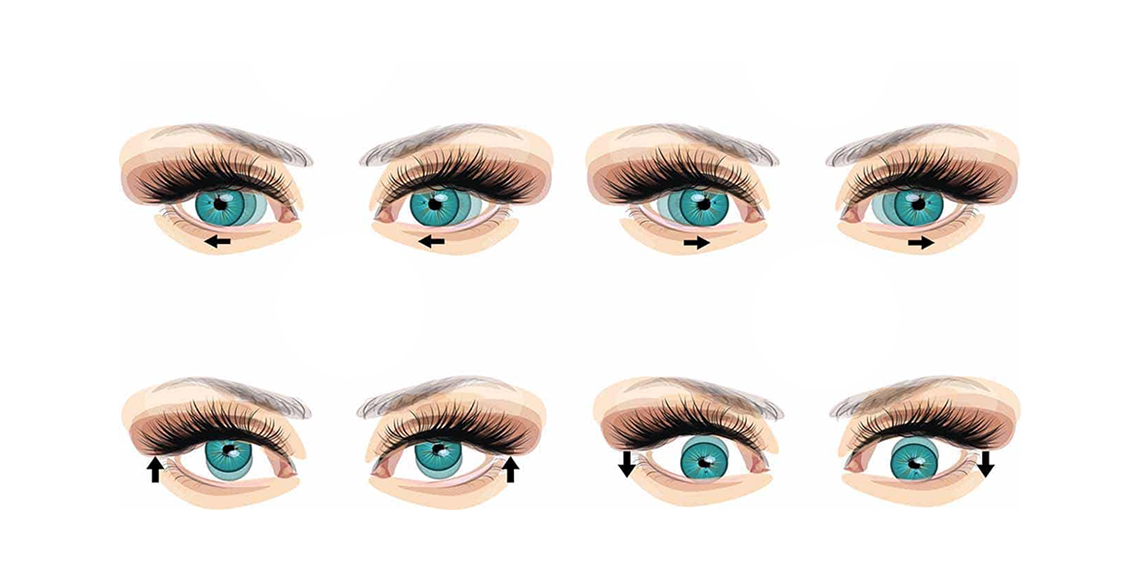
Nystagmus is a condition characterized by involuntary eye movements, which can significantly impact quality of life. It is most often caused by neurological or vestibular system disorders. In recent years,…
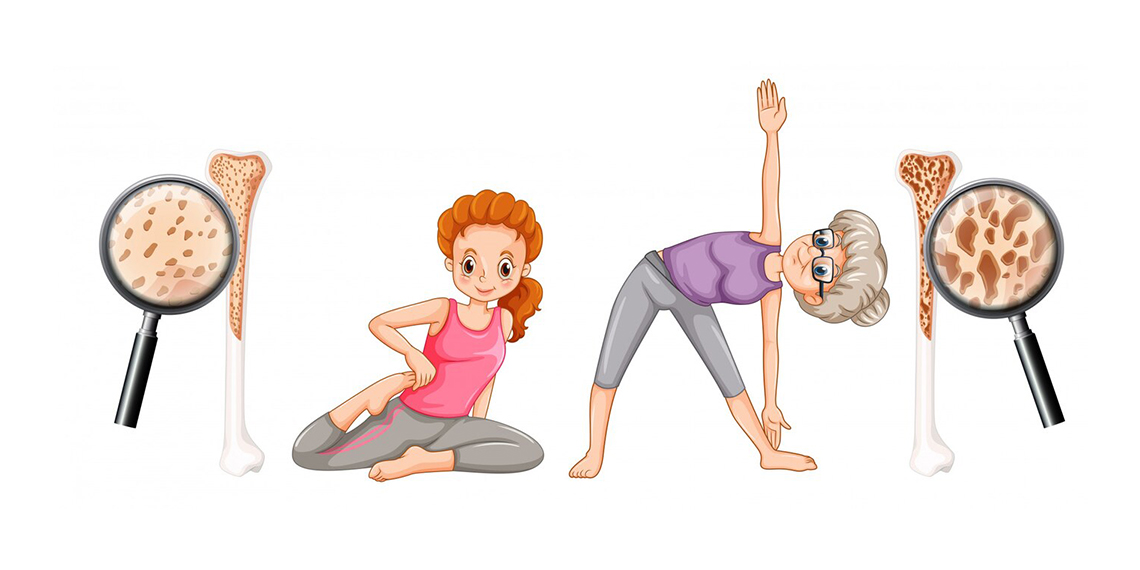
Osteoporosis is a systemic skeletal disease characterized by a decrease in bone mineral density, making bones fragile and more susceptible to fractures. The term, derived from Latin, means "porous bone."…
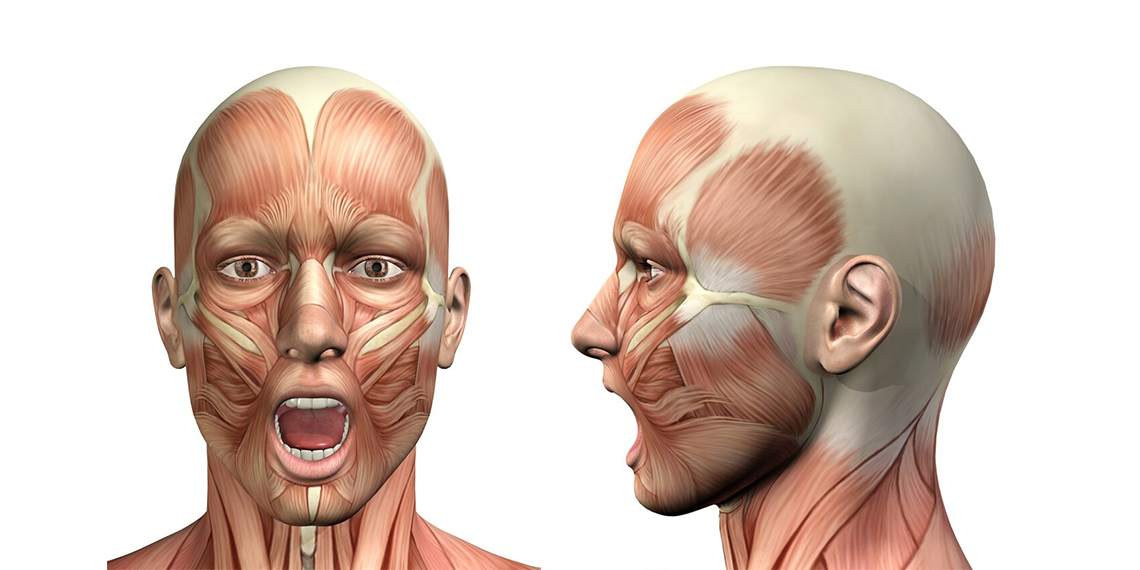
Facial paralysis occurs when the nerves controlling facial muscles are damaged. The most common type, Bell’s Palsy, typically presents as sudden weakness or paralysis in the muscles on one side…