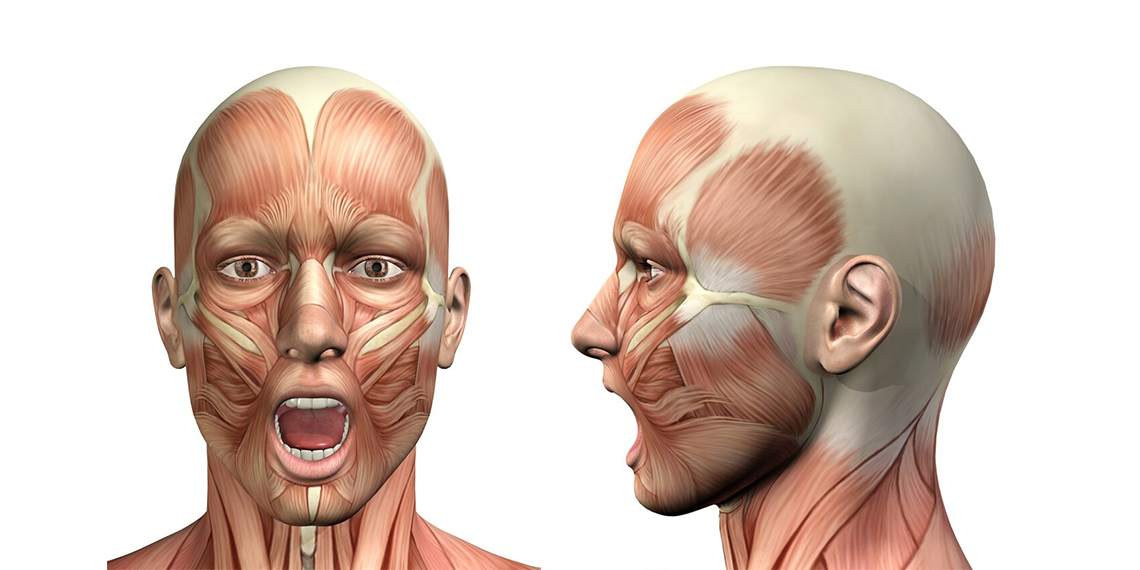
Facial paralysis occurs when the nerves controlling facial muscles are damaged. The most common type, Bell’s Palsy, typically presents as sudden weakness or paralysis in the muscles on one side of the face. Various factors such as nerve compression, viral infections, stress, and circulatory disorders can contribute to this condition.
The Supportive Role of Manual Therapy in Facial Paralysis
Manual therapy focuses on the musculoskeletal system, improving the mobility of joints, muscles, and fascia tissues. In facial paralysis cases, manual therapy can play a supportive role through several mechanisms:
- Enhancing Blood Circulation: Gentle touch and massage techniques applied to the facial area can increase local blood flow, aiding in nerve nourishment.
- Preserving Muscle Function: Passive activation of facial muscles can prevent muscle atrophy caused by prolonged inactivity.
- Reducing Pressure on the Facial Nerve: Addressing movement restrictions in the neck and upper spine can relieve pressure on the nerve, promoting healthier nerve communication.
The Importance of Atlas Therapy in Facial Paralysis
Atlas therapy involves treatments focused on the atlas (C1) vertebra, the topmost bone of the spine. The relationship between facial paralysis and the atlas vertebra can be explained through the following aspects:
- Spinal Alignment and Nerve Communication: The atlas vertebra is located close to the brainstem, where nerves responsible for facial muscle control originate. Misalignment in this area can negatively impact nerve function.
- Effects on Blood and Lymph Circulation: Imbalances in the atlas region can impair blood flow and lymphatic circulation to the head, making it difficult for nerves to receive adequate nourishment.
- Regulating the Nervous System: Manual adjustments in the atlas region can reduce pressure on the central nervous system, supporting better function of facial muscles.
Conclusion
Manual therapy and atlas therapy can serve as complementary approaches in facial paralysis cases. However, as each individual’s condition is unique, these treatments should be assessed by a professional, with a personalized program tailored to the patient’s needs. Facial muscle exercises, circulation-boosting techniques, and spinal alignment therapies can positively contribute to the recovery process.