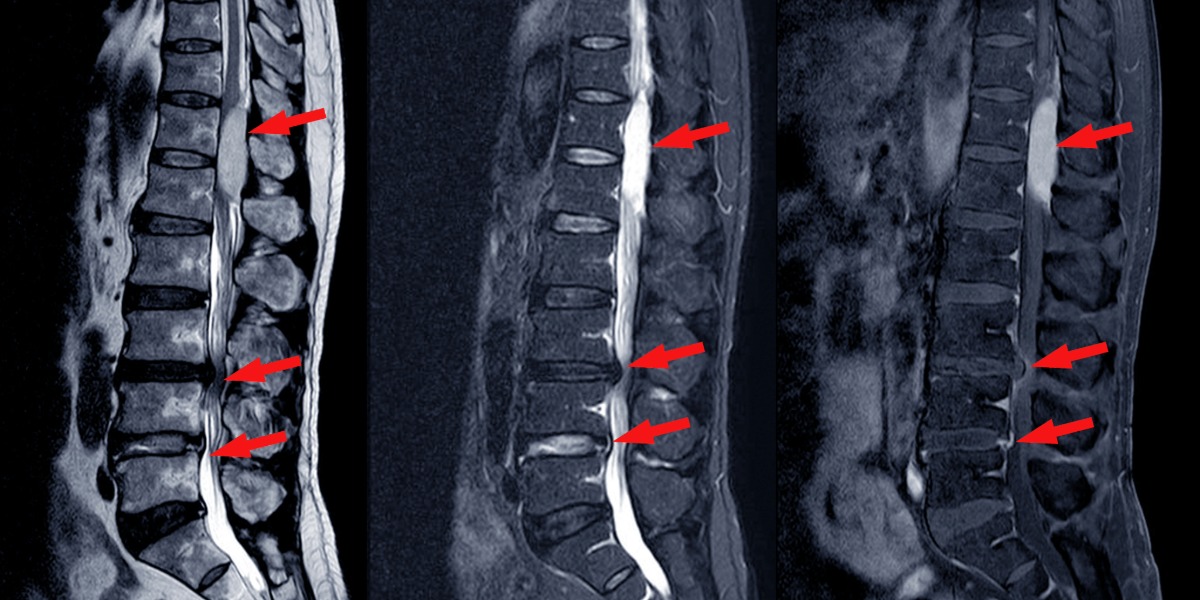
The term “stenosis” in medicine means “narrowing.” Spinal stenosis is the condition where the canal through which the spinal cord passes becomes narrowed for various reasons, putting pressure on the nerves. It is usually seen in the lower back (lumbar) and neck (cervical) regions. This narrowing can worsen over time, reducing quality of life.
What Are the Symptoms?
-
Pain in the lower back or neck
-
Numbness, tingling, or weakness in the legs
-
Pain or cramping in the legs while walking
-
Difficulty standing for long periods
-
In some cases, loss of bladder or bowel control (in advanced stages)
Interestingly, most patients feel relief when they lean forward or sit down. This is considered a characteristic feature of stenosis.
🔍 What Causes It?
The main causes of spinal stenosis are:
-
Aging: Wear and tear of spinal discs, thickening of connective tissues
-
Osteoarthritis: Formation of bone spurs (osteophytes)
-
Herniated disc: Discs bulging outward and pressing on nerves
-
Trauma: Damage to the spine due to accidents or falls
-
Congenital narrowing: Some individuals are born with a naturally narrow spinal canal
🩺 How Is It Diagnosed?
Diagnosis of spinal stenosis usually begins with the patient’s complaints and findings from a physical examination. However, imaging techniques are used for a definitive diagnosis:
-
MRI (Magnetic Resonance Imaging)
-
CT (Computed Tomography)
-
X-ray
These methods help determine both the location and severity of the narrowing.
🧩 What Are the Treatment Options?
Treatment varies depending on the stage of the disease and the patient’s overall health condition:
Conservative (non-surgical) treatments:
-
Manual Therapy:
A hands-on treatment method performed by a physical therapist or osteopath. It helps correct dysfunctions in joints and muscles, relieves movement restrictions, and reduces pain. It often involves joint mobilization and manipulation techniques. -
Chiropractic:
Chiropractic treatment is a manual therapy method focused specifically on spinal health. Chiropractors aim to correct spinal misalignments to ensure proper nervous system function. This approach can be effective in treating back pain, headaches, and musculoskeletal problems. Chiropractic care generally involves spinal manipulation and may help reduce pain and improve mobility.
Unlike manual therapy, chiropractic places greater emphasis on the spine and nervous system, sometimes addressing the root cause of musculoskeletal disorders directly to provide long-term relief. -
Physical therapy: Strengthens muscles and reduces pressure on the nerves.
-
Pain relievers and anti-inflammatory drugs
-
Epidural steroid injections: Reduce inflammation.
-
Exercise programs: Gentle exercises, especially targeting the lower back, can be highly beneficial.
🌿Lifestyle
Although spinal stenosis cannot be completely prevented, some lifestyle changes can slow its progression:
-
Regular exercise
-
Weight control
-
Correct posture habits
-
Avoiding movements that strain the lower back and neck
Spinal stenosis is a condition that, when recognized early and managed with the right methods, can significantly improve quality of life. Instead of ignoring back and leg pain, consulting a specialist for early intervention can help prevent more serious problems in the future.
Remember: Not every back pain is spinal stenosis, but pain that persists for a long time and does not improve with rest should always be taken seriously.