Radiculopathy is a clinical condition that occurs when the nerve roots emerging from the spinal cord become compressed, irritated, or damaged. This condition typically affects the nerve roots in the neck, back, and lower back regions and is often characterized by symptoms such as pain, numbness, tingling, or muscle weakness.
Causes of Radiculopathy
Radiculopathy can develop due to various causes. The most common causes include:
- Herniated Disc: A herniated disc between the vertebrae can apply pressure on the nerve roots.
- Degenerative Disc Disease: The wear and tear of discs due to aging can lead to compression of the nerve roots.
- Bone Spurs (Osteophytes): Bony growths that form on the edges of vertebrae can press on the nerve roots.
- Spinal Stenosis: Narrowing of the spinal canal can compress the nerve roots and lead to radiculopathy.
- Trauma or Injury: Swelling or deformities in the tissues surrounding the spine after trauma can affect the nerve roots.
Symptoms
The symptoms of radiculopathy depend on the affected nerve root and the area it innervates in the body. The most common symptoms include:
- Pain: Typically begins in the neck, back, or lower back, and radiates to the arms, legs, or hips along the affected nerve path.
- Numbness and Tingling: Numbness or tingling sensations can occur in areas served by the nerve.
- Muscle Weakness: Weakness may occur in muscles controlled by the affected nerve.
- Loss of Reflexes: A decrease in reflexes, especially in the knee or elbow, can be observed.
Types of Radiculopathy
- Cervical Radiculopathy: Occurs when the nerve roots in the neck region are affected. Symptoms usually radiate to the shoulders and arms.
- Thoracic Radiculopathy: A rare form that affects the nerve roots in the chest area. It may cause pain in the back and abdominal region.
- Lumbosacral Radiculopathy: Affects the nerve roots in the lower back region. Pain usually radiates from the hips to the legs and is associated with sciatica.
Diagnosis
A detailed physical examination and medical history are important for diagnosing radiculopathy. The following imaging and tests may be used to support the diagnosis:
- Magnetic Resonance Imaging (MRI): Preferred method to detect nerve root compression.
- Computed Tomography (CT): Used to assess bone structures and nerve roots.
- Electromyography (EMG): Helps determine the functional status of the nerves and the location of the damage.
Treatment
The treatment for radiculopathy varies depending on the underlying cause and severity:
- Conservative Treatments:
- Physical Therapy: Helps reduce pressure on the nerves through posture training, stretching, and strengthening exercises.
- Medical Treatment: Pain relievers, anti-inflammatory drugs, or medications to relieve nerve pain may be used.
- Injections: Epidural steroid injections can alleviate pain and inflammation.
- Invasive Treatments:If conservative methods are ineffective, surgical interventions may be considered to correct the structures compressing the nerve root. Examples include discectomy or laminectomy.
Role of Physical Therapy
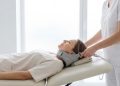
Physical therapy is an effective method in treating radiculopathy. Physiotherapists design personalized rehabilitation programs to reduce pain and relieve pressure on the nerves.
- Exercises: Aimed at increasing mobility in the affected area and improving posture.
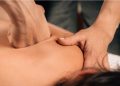
- Manual Therapy: Techniques to relax the nerve root and increase the mobility of surrounding tissues.
- Modalities: Pain management can be achieved using ultrasound, electrical stimulation, or hot/cold applications.
Radiculopathy is a condition that can be managed with the correct diagnosis and treatment approaches. Conservative treatments often yield successful results in most patients. However, the severity of the symptoms and the type of underlying cause determine the treatment plan. Physical therapy and lifestyle changes are crucial for long-term management.