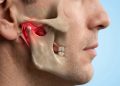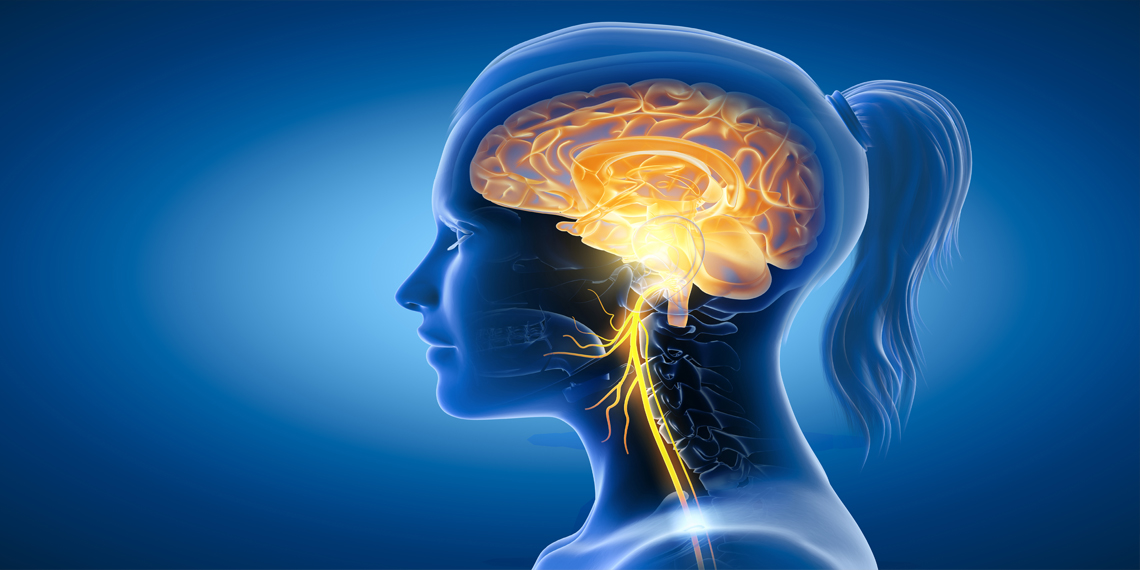
The vagus nerve, which begins at the brainstem and extends to the neck, chest, and abdominal organs, is a part of the parasympathetic nervous system. It plays a role in heart rate, digestion, respiration, and stress management. It also regulates mood and controls inflammation.
-
- Breathing Exercises:
- Diaphragmatic breathing (belly breathing) stimulates the vagus nerve.
- 4-7-8 breathing technique: Inhale for 4 seconds, hold for 7 seconds, exhale for 8 seconds.
- Breathing Exercises:
- Cold Therapy:
- Washing your face with cold water or taking a cold shower enhances vagus nerve activity.
- Receptors located, especially in the face, help activate the parasympathetic system.
- Yoga and Meditation:
- Yoga naturally supports the vagus nerve by calming the body and mind.
- Meditation, especially mindfulness meditation, brings balance to the nervous system.
- Humming and Singing:
- The vibration of the vocal cords stimulates the vagus nerve.
- Humming for a few minutes each day can activate the nerve.
- Massage:
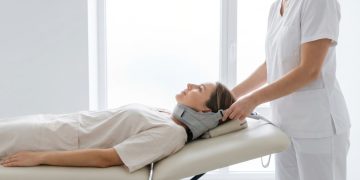
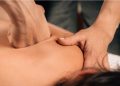
- Massaging the neck and behind the ears directly affects the vagus nerve.
- Reflexology massage on the soles of the feet can also be helpful.
- Probiotics:
- There is a strong connection between gut health and the vagus nerve.
- Foods containing probiotics, such as yogurt and kefir, support the nerve indirectly.
- Low-Intensity Exercise:
- Slow-paced walking, light jogging, or swimming activates the vagus nerve.
- Low intensity supports the parasympathetic system, while high intensity can have the opposite effect.
- Laughing and Social Connections:
- Strong social bonds improve vagus nerve health.
- Laughter helps activate the parasympathetic system.
- Slow Exhalation through the Mouth:
- Exhaling slowly and for a longer period relaxes the nervous system.
Benefits: Reduces stress, regulates digestion, supports heart health, and improves mood.