Breathing is the most fundamental reflex of life. However, using the breath correctly creates much deeper effects on the body’s structural balance and muscle function than one might think. Actively engaging the diaphragm and respiratory muscles plays a major role in both mental relaxation and physical harmony.
In the post-chiropractic or manual therapy period, proper breathing techniques can support the permanence of corrections and balance muscle tone, leading to a more effective recovery process.
Benefits of Breathing Exercises on the Body
1. Reduces Stress and Muscle Tension
Deep breathing activates the “parasympathetic nervous system,” which slows the heart rate, lowers blood pressure, and reduces stress hormones. As a result, muscles relax, particularly reducing chronic tension in the neck and shoulder regions.
Source: Lehrer et al., Frontiers in Psychology, 2020
2. Balances Muscle Tone and Strengthens Core Stability
Diaphragmatic breathing regulates intra-abdominal pressure and simultaneously activates the abdominal, lumbar, back, and pelvic floor muscles.
This systematic activation enhances trunk stability and helps balance muscle tone.
Source: Hodges & Gandevia, Journal of Applied Physiology, 2000
3. Has a Direct Effect on Posture
People who breathe correctly with the diaphragm expand their rib cage more evenly, keeping the spine in its natural alignment.
This prevents excessive contraction of the back and lumbar muscles and reduces postural imbalances over time.
Source: Kolar et al., Manual Therapy, 2010
4. Increases Oxygenation and Supports Muscle Recovery
Deep breathing allows more oxygen to reach the muscles and helps eliminate metabolic waste such as lactic acid.
This accelerates muscle recovery, reduces pain, and increases overall energy levels.
5. Improves Sleep Quality and Mental Clarity
Regular breathing exercises relax the body, balance the nervous system, and make it easier to fall asleep.
They also have a positive impact on concentration and mental clarity.
Synergy Between Breathing Exercises and Chiropractic Care
Chiropractic applications aim to align the spine and regulate the nervous system.
Breathing exercises support this goal from within — because breathing directly affects both muscle tone and the nervous system.
1. More Effective Adjustments Through Muscle Relaxation
Breathing exercises relax the muscles around the neck, back, and chest.
This makes chiropractic adjustments more comfortable and reduces muscle resistance.
2. Shared Effect on the Nervous System
When spinal alignment is corrected, nerve transmission becomes healthier.
Deep breathing exercises balance the nervous system and strengthen the neurological effects of chiropractic sessions.
3. Increases Thoracic Mobility
When flexibility in the thoracic (upper back) region improves, breathing becomes easier.
Combining chiropractic applications that open the chest cage with breathing exercises increases lung capacity and postural harmony.
4. Strengthens Muscle Memory and Postural Stability
Regular breath awareness ensures the balanced activity of muscles supporting the spine.
This helps prevent the postural alignment achieved through chiropractic care from reverting over time.
Muscle Tone and Breathing: A Scientific Perspective
The effect of breathing on muscle tone is both physiological and neurological:
- Diaphragm activation regulates intra-abdominal pressure and automatically engages core muscles.
- Parasympathetic activation lowers excessive muscle tone and promotes relaxation.
- Muscle oxygenation increases, keeping tone at a natural level.
- Proprioception (body awareness) improves; the person can use their muscles more consciously and in balance.
In short, breathing exercises neither increase nor decrease muscle tone — they bring it into balance.
Simple Tips to Increase Breath Awareness in Daily Life
- Breathe from the Diaphragm: Inhale by expanding your abdomen, not your chest.
- Inhale and Exhale Through the Nose: This slows the airflow and supports the parasympathetic system.
- Check Your Posture: While sitting or walking, relax your shoulders and avoid dropping your head forward.
- Take Short Breathing Breaks: Taking deep breaths 3–4 times a day relaxes your muscles.
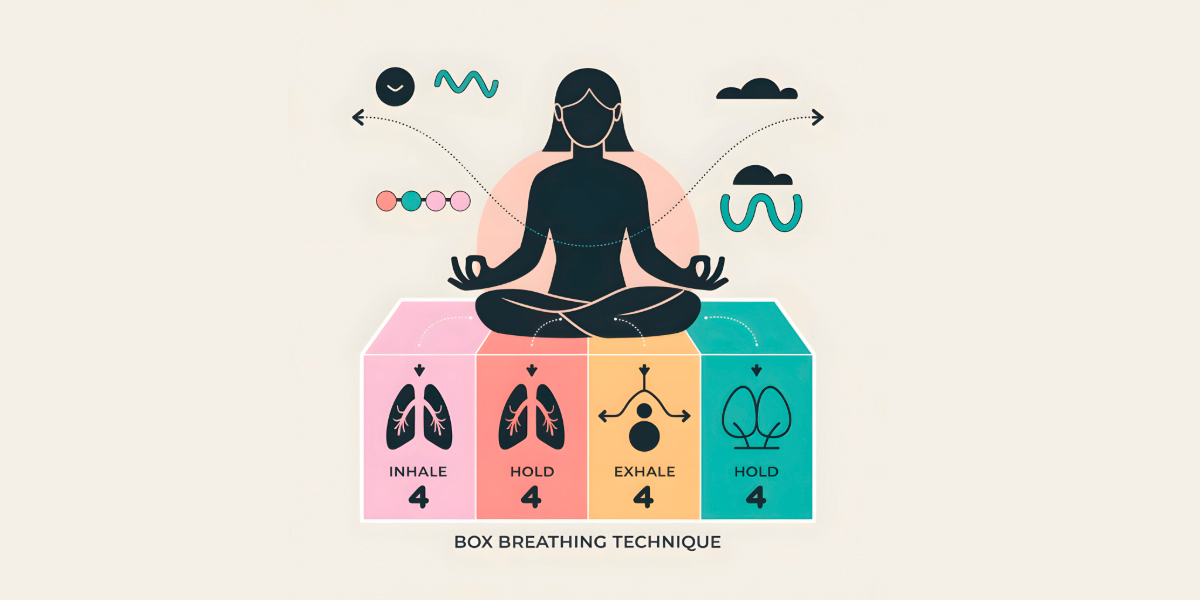
- Try the 4-7-8 Technique Before Sleep: Inhale for 4 seconds, hold for 7 seconds, exhale in 8 seconds — it calms the nervous system.
Conclusion
- Breathing exercises are not just a relaxation method; they are a powerful tool that reestablishes the body’s neuromuscular balance.
- When combined with chiropractic care, they significantly improve muscle tone balance, postural quality, and overall energy levels.
- A more relaxed breath means a more balanced spine and a calmer mind.