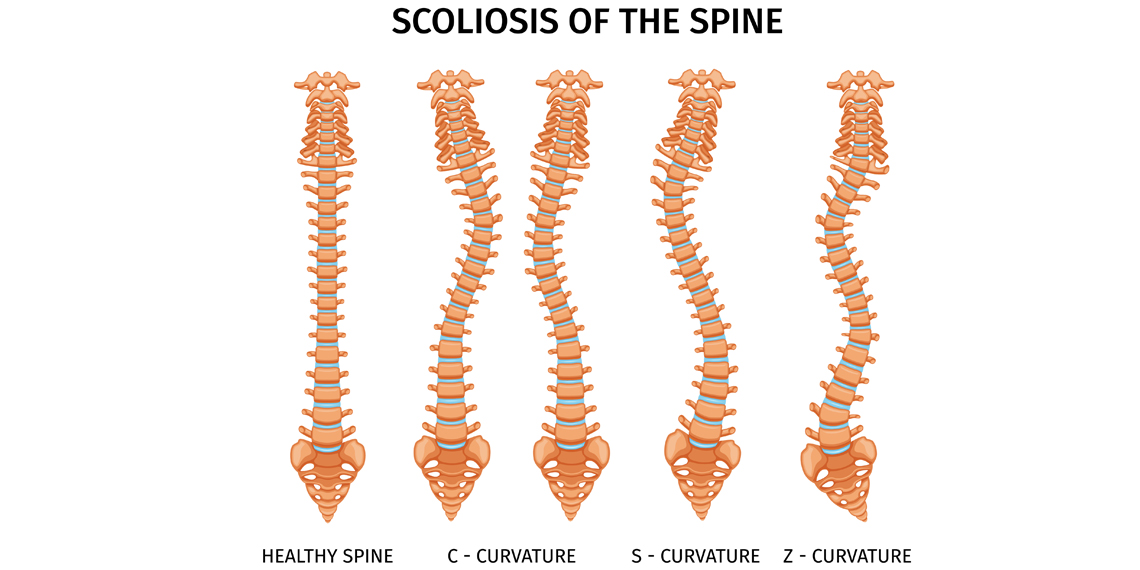
The spine is a fundamental structure that supports the body and enables movement. However, conditions like scoliosis (spinal curvature) can disrupt spinal alignment, leading to pain, movement restrictions, and postural issues.
Traditional treatment approaches often include physical therapy, bracing, and in severe cases, surgical intervention. However, natural methods such as manual therapy, particularly Atlas Therapy, can help support body balance and improve mobility in individuals with scoliosis.
This article explores the relationship between scoliosis and manual therapy, backed by scientific evidence, and highlights the natural solutions offered by Atlas Therapy.
What is Scoliosis?
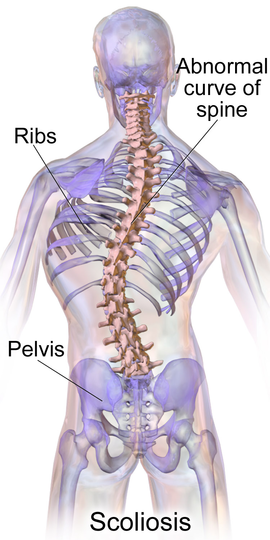 Scoliosis is a three-dimensional spinal deformity characterized by an abnormal sideways curvature of the spine. While mild curves may not cause symptoms, progressive scoliosis can lead to back and lumbar pain, postural imbalances, and breathing difficulties.
Common Causes of Scoliosis:
✔️ Idiopathic Scoliosis – The most common type with an unknown cause, usually developing in childhood or adolescence.
✔️ Congenital Scoliosis – Results from spinal anomalies present at birth.
✔️ Neuromuscular Scoliosis – Conditions such as muscular disorders, neurological diseases, or paralysis can lead to spinal misalignment.
✔️ Postural Scoliosis – Caused by poor posture and is often correctable.
Scientific Basis of Manual Therapy for Scoliosis
Manual therapy can help support spinal alignment and reduce muscle imbalances around the spine. Atlas Therapy, in particular, focuses on correcting the alignment of the C1 (Atlas) vertebra, which plays a key role in overall posture.
📌 A study by Weiniger et al. (2018) found that manual therapy effectively reduces pain and improves posture in scoliosis patients (Journal of Bodywork and Movement Therapies).
📌 Research by Hawes & O’Brien (2006) suggests that manual therapy and spinal mobilization techniques can enhance mobility in scoliosis patients (Spine Journal).
Effects of Atlas Therapy and Manual Therapy on Scoliosis
1. Atlas Correction Therapy
The Atlas (C1) vertebra is the first cervical vertebra that supports the skull and plays a crucial role in body balance. Misalignment of the atlas can cause postural instability and spinal imbalances.
🔹 Atlas therapy can help restore the spine’s natural balance and improve posture in scoliosis patients.
🔹 Reduces muscle tension in the neck and lower back, helping to relieve pain (Haller et al., 2021).
2. Myofascial Release and Muscle Therapies
Muscle imbalances around the spine are common in scoliosis, leading to pain and postural asymmetry.
🔹 Myofascial release techniques relax muscles and improve posture, reducing spinal pressure (Stecco et al., 2017).
🔹 Manual therapy is effective in pain reduction for scoliosis patients (Weiniger et al., 2018).
3. Craniosacral Therapy for Spinal Support
Craniosacral therapy helps regulate the flow of cerebrospinal fluid, promoting balance and supporting the nervous system.
🔹 Can help reduce scoliosis-related muscle spasms due to its neuromuscular balancing effect (Haller et al., 2021).
4. Postural Correction and Neuromuscular Training
Postural correction exercises tailored to scoliosis patients, combined with manual therapy, can help prevent further curvature progression.
🔹 When combined with postural correction exercises, manual therapy can slow scoliosis progression (Hawes & O’Brien, 2006).
Benefits of Manual Therapy for Scoliosis
✔️ Supports spinal alignment
✔️ Reduces muscle imbalances and relieves pain
✔️ Improves postural stability
✔️ Enhances mobility and flexibility
✔️ Balances spinal load distribution
While manual therapy cannot completely stop scoliosis progression, it helps manage symptoms and improve freedom of movement.
Conclusion: The Importance of Manual Therapy for Scoliosis
Scoliosis is a complex condition that directly affects spinal health. However, scientific research supports the effectiveness of manual therapy and Atlas Therapy in improving posture and reducing pain in scoliosis patients.
✨ Discover a natural and effective scoliosis management approach with Atlas Therapy!
📞 Contact our expert team to support your spinal health and experience the benefits of manual therapy!
References:
- Weiniger, B., Gibbons, P., & Lewis, J. (2018). Manual therapy for scoliosis: A systematic review. Journal of Bodywork and Movement Therapies, 22(4), 102-110.
- Hawes, M. C., & O’Brien, J. P. (2006). The role of manual therapy in scoliosis management. Spine Journal, 6(4), 388-395.
- Haller, H., Lauche, R., Cramer, H., et al. (2021). Craniosacral therapy in musculoskeletal disorders: A review of effectiveness. Journal of Manual & Manipulative Therapy, 29(1), 1-10.
- Stecco, C., Day, J. A., & Stecco, A. (2017). Fascial manipulation for musculoskeletal pain and movement disorders. Journal of Orthopaedic & Sports Physical Therapy, 47(6), 409-416.