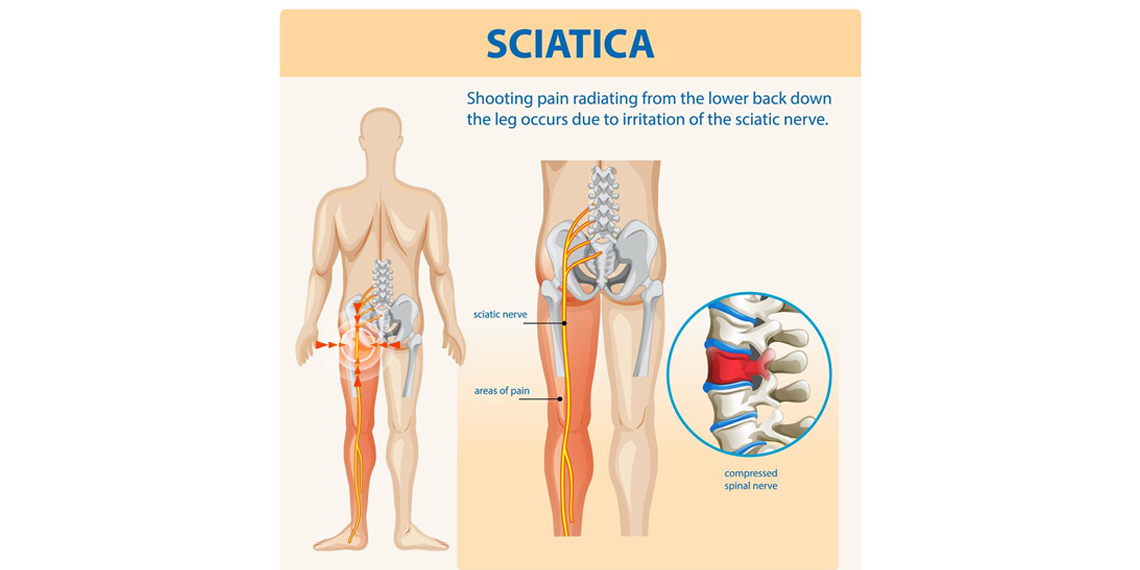
Sciatica is pain that occurs due to compression or irritation of the sciatic nerve, which runs from the lower back through the hip and down the leg. It is often caused by herniated discs, muscle spasms, or spinal misalignments. Today, manual therapy and atlas therapy are gaining increasing attention in the management of sciatic pain.
What is Sciatica?
The sciatic nerve is the longest and widest nerve in the body, originating from the L5 and S1 vertebrae and extending down to the hips, legs, and feet. Sciatic pain is commonly associated with the following conditions:
- Herniated disc: A bulging or ruptured disc can press on the nerve, causing pain.
- Muscle spasms: Conditions like piriformis syndrome can lead to muscle compression on the nerve.
- Spinal misalignments: Improper spinal alignment can put pressure on nerve roots, leading to sciatic symptoms.
Atlas Therapy and Sciatica
Atlas therapy is a manual therapy approach that focuses on the upper cervical spine, particularly the atlas (C1 vertebra). The alignment of the upper vertebrae plays a crucial role in spinal mechanics. By correcting spinal alignment through atlas therapy, posture is optimized, and weight distribution in the pelvis becomes more balanced. This can reduce stress on the lumbar region and relieve pressure on the sciatic nerve.
Benefits of Atlas Therapy
- Helps realign the spine, potentially alleviating sciatic pain.
- Addresses biomechanical imbalances in the pelvis and lower back.
- Reduces pressure on the nervous system, allowing muscles to function better.
Managing Sciatic Pain with Manual Therapy
Manual therapy is a technique used for musculoskeletal disorders, involving joint mobilization and soft tissue techniques. In individuals with sciatic pain, manual therapy can:
- Reduce muscle tension and spasms: Relaxation techniques, particularly targeting the piriformis muscle, can help relieve nerve compression.
- Increase joint mobility: Mobilization techniques can restore movement restrictions in the spine.
- Improve posture and alignment: Correcting imbalances in the lower back and hips can reduce nerve pressure.
Techniques Used in Manual Therapy
- Lumbar mobilization and manipulation: Helps improve movement restrictions in the lower back.
- Piriformis muscle release techniques: Aims to reduce tension in the area where the sciatic nerve passes.
- Soft tissue mobilization: Relieves muscle tightness and spasms.
- Pelvic and sacroiliac joint mobilization: Supports reducing pressure on the sciatic nerve.
Conclusion
Sciatic pain is a common condition that significantly affects quality of life. Atlas therapy and manual therapy techniques can help alleviate sciatic nerve pressure by improving spinal alignment and correcting musculoskeletal imbalances. A professional assessment is essential to determine the most suitable techniques for effective pain management. If you are experiencing sciatic pain, consulting a specialist to explore manual therapy and atlas therapy options may be beneficial.