Tension-type headache is associated with factors such as muscle tightness in the neck–shoulder region, stress, and poor posture. For this reason, the treatment approach is not limited to painkillers alone; physiotherapy and manual therapy methods targeting the musculoskeletal system have become increasingly important.
Why Is Physiotherapy Effective?
In this type of headache, stiffness in the neck muscles, pericranial tenderness, and postural disorders are commonly observed. Physiotherapy helps reduce pain by aiming to:
-
Decrease muscle tension,
-
Increase the range of motion of the cervical region,
-
Correct posture,
-
Regulate stress-related muscle activity.
Research Demonstrating the Effectiveness of Manual Therapy
Scientific studies show that manual therapy can be beneficial in tension-type headache either alone or as an adjunct to medication.
Examples of systematic reviews
-
In a systematic review evaluating 14 randomized controlled trials, manual therapies were reported to reduce the intensity and frequency of headaches and to contribute positively to quality of life. (PubMed ID: 24856370)
-
Another meta-analysis reported that soft tissue techniques led to significant reductions in headache intensity and frequency, whereas high-velocity, low-amplitude manipulations did not show the same effect. (PubMed ID: 32924640)
Examples of clinical studies
-
In patients who did not respond to medication, groups receiving manual therapy showed a marked reduction in headache intensity and frequency, along with improved neck function. (PubMed ID: 36052499)
-
It has been shown that combining suboccipital soft tissue techniques with upper cervical manipulations provides broader symptom reduction compared to applying either technique alone. (PubMed ID: 24785463)
These studies indicate that no single technique is a miracle solution; however, appropriately selected manual therapy methods have meaningful clinical potential.
Which Techniques Stand Out?
Commonly used clinical methods include:
-
Myofascial release
-
Suboccipital release
-
Cervical mobilization techniques
-
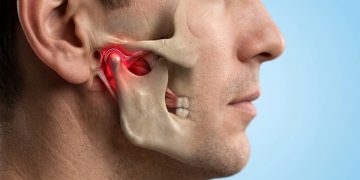
Soft tissue techniques targeting the temporomandibular joint region
-
Exercise and posture training
The shared goals of these techniques are to:
-
Reduce muscle stiffness,
-
Increase circulation,
-
Decrease pain perception,
-
Improve neck–shoulder girdle coordination.
What Does This Provide Clinically?
-
Reduction in headache intensity
-
Decrease in headache frequency
-
Improvement in neck function
-
Postural correction
-
Reduced need for medication
-
Improved quality of life
Conclusion
In tension-type headache, physiotherapy and manual therapy are important complementary treatment options because they target the underlying musculoskeletal dysfunctions rather than focusing solely on pain. Scientific studies particularly support the positive effects of soft tissue techniques combined with exercise and posture training.
However, it is also important that treatment be individualized, that appropriate techniques are selected, and that outcomes continue to be supported by long-term research.
Physiotherapist Muhammed Furkan TÜRER