Muscle health is essential for daily life and physical activity, but issues like cramps, strains, and spasms can disrupt mobility. This article explores the primary causes of muscle problems, treatment methods, and how manual therapy, particularly Atlas therapy, relates to these issues.
What Are Muscle Cramps, Strains, and Spasms?
-
Muscle Cramps: Sudden, involuntary, and often painful contractions of a muscle. They can be triggered by dehydration, mineral deficiencies, or overuse.
-
Muscle Strains: Occur when muscles are overstretched or torn due to sudden movements, heavy lifting, or poor posture.
-
Muscle Spasms: Involuntary, prolonged muscle contractions that differ from cramps by lasting longer and being concentrated in specific muscle groups.
Causes of Muscle Problems
Muscle cramps, strains, and spasms can develop due to various factors:
-
Mineral and Fluid Deficiency: A lack of essential minerals such as potassium, magnesium, and calcium can impair muscle function.
-
Physical Overexertion: Prolonged use of a particular muscle group can lead to fatigue and spasms.
-
Circulatory Issues: Inadequate blood flow can restrict oxygen supply to muscles, leading to contractions.
-
Nervous System Disorders: Nerve compression or disruptions in neuromuscular communication can trigger spasms.
-
Poor Posture: Long-term misalignment can cause muscle strain and discomfort.
-
Cold Environments: Exposure to cold air or water can cause muscles to contract reflexively.
The Role of Manual Therapy and Atlas Therapy
Manual therapy involves hands-on techniques designed to improve muscle and joint function. Atlas therapy, a specialized form of manual therapy focused on spinal health, is directly linked to muscle function.
Benefits of Manual Therapy
-
Reduces muscle tension and promotes relaxation.
-
Enhances blood circulation, ensuring better oxygen delivery to muscles.
-
Eases muscle spasms and improves flexibility.
-
Supports the nervous system, allowing healthier muscle contractions.
Atlas Therapy’s Impact on Muscle Health
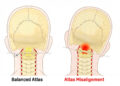
The atlas vertebra (C1) plays a vital role in nerve function and muscle control. Misalignment of this vertebra can contribute to muscle imbalances, leading to spasms, cramps, and postural issues.
Atlas therapy adjustments can help:
-
Alleviate muscle spasms and cramps.
-
Regulate the nervous system, ensuring balanced muscle activity.
-
Correct postural misalignments, preventing muscle strain.
-
Reduce muscle tension associated with neck and back pain.
Conclusion
Muscle cramps, strains, and spasms can arise from various causes and significantly impact quality of life. Maintaining muscle health through balanced nutrition, regular exercise, and manual therapy can be highly beneficial. In particular, Atlas therapy helps optimize spinal alignment, promoting better nerve and muscle function.
For individuals who frequently experience these muscle problems, consulting a physiotherapist or manual therapy specialist may be beneficial. Prioritizing muscle health can enhance mobility and overall well-being.
Ahmet Olgun