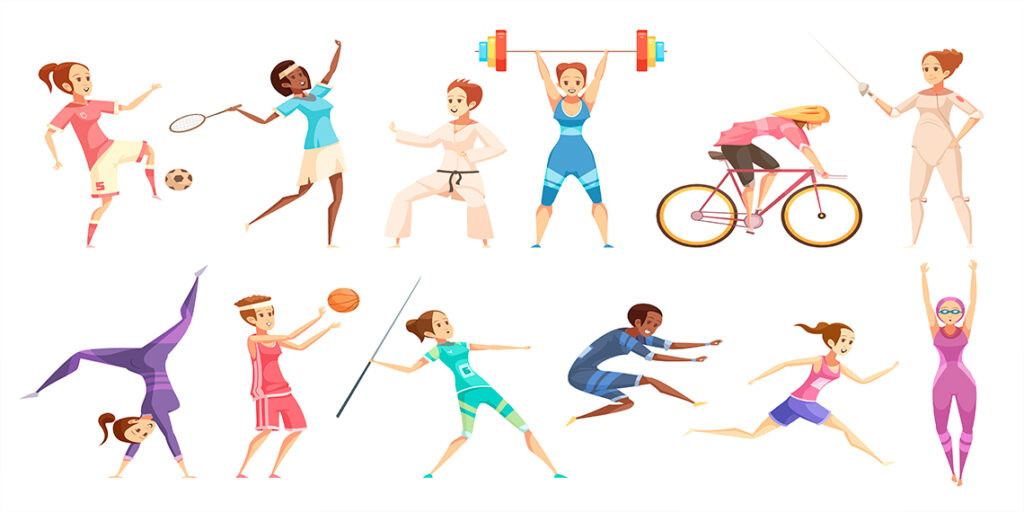
These days, we constantly come across the advice to “exercise regularly.” But why? Is it really just for losing weight, or is there a deeper scientific and physiological reality behind it?
Did you know that physical activity not only works your muscles, but also influences many systems such as the nervous system, digestion, mental health, and immunity?
From my experience in the field of physiotherapy, I can clearly say that many types of pain, limited mobility, and posture problems are often rooted in inactivity. For this reason, exercise is not simply an extra activity, but a vital part of a healthy lifestyle.
1. It Strengthens the Muscular and Skeletal System
The most widely known effect of exercise is its contribution to muscles and bones. However, it is not just about building muscle.
- It prevents muscle imbalances: In people who sit for long periods, some muscles weaken while others shorten. Exercise helps restore this balance.
- It improves joint stability: As muscle strength increases, the pressure on joints decreases, reducing the risk of pain.
- It prevents posture problems: Strengthening the back and abdominal muscles helps maintain the natural alignment of the spine.
In physiotherapy, I frequently observe that many back and neck issues are related to inactivity. Regular, simple exercise can prevent most of these complaints.
2. It Protects Spinal and Fascial Health
Spinal health is essential for long-term quality of life.
- Exercise helps nourish the spinal discs,
- supports the flexibility and mobility of the fascia,
- and reduces muscle spasms and movement restrictions.
In modern life, inactivity causes fascial structures to stick together, which leads to stiffness and pain. Regular movement can reverse this process.
3. It Strengthens the Nervous System and Brain Function
Exercise doesn’t just engage your body, it also activates your brain.
- It improves coordination and reflexes.
- It supports neuroplasticity by encouraging new neural connections.
- It enhances balance skills.
Motor control and balance training become even more important with age. Exercise strengthens the connection between the brain and the body.
4. It Improves Psychological Resilience
It’s easy to notice that people who exercise regularly tend to be more positive, confident, and better at managing stress.
- It improves mood by increasing endorphin release.
- It reduces stress, anxiety, and depression.
- It improves sleep quality.
Many studies show that individuals receiving psychological support progress much faster when exercise is part of their routine.
5. It Supports Heart and Circulatory Health
The heart becomes more efficient with regular physical activity, which benefits the entire circulatory system.
- It lowers the risk of high blood pressure.
- It helps balance cholesterol levels.
- It increases blood flow.
Movement is one of the most natural ways to support vascular health.
6. It Supports Metabolism and Hormonal Balance
- It improves insulin sensitivity and lowers the risk of diabetes.
- It increases the basal metabolic rate.
- As muscle mass increases, fat percentage decreases.
- Even thyroid functions can be supported by regular activity.
- Exercise plays a regulatory role in maintaining hormone balance.
7. It Strengthens the Immune System
- It increases lymphatic flow, helping the body eliminate toxins.
- It activates immune cells.
- It reduces chronic inflammation.
Moderate exercise helps the body become more resistant to external threats. However, it is important to remember that excessive exercise can suppress the immune system.
8. It Slows the Aging Process
People who are physically active experience the effects of aging more gradually and less severely.
- It helps prevent loss of muscle and bone mass.
- It preserves mental functions.
- It reduces the risk of falls and balance issues.
Exercise is the key to maintaining quality of life at any age.
Conclusion: Movement Is a Necessity, Not a Choice
Exercising is not only about appearance or weight control. It is essential for a healthy, pain-free, productive, and mentally balanced life.
📝 Remember: There is always an exercise type you can begin, regardless of age or physical condition. What matters most is taking the first step.