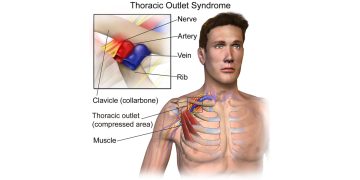
The shoulder is one of the most mobile joints in the body and is highly prone to pain due to its active use in daily life. Shoulder pain can arise from various musculoskeletal factors and significantly impact a person’s quality of life. In this article, we will explore the common causes of shoulder pain and how manual therapy techniques can help manage it.
Common Causes of Shoulder Pain
There are many potential causes of shoulder pain. The most common include:
-
Rotator Cuff Syndrome: A condition caused by overuse or injury to the muscles and tendons in the shoulder.
-
Frozen Shoulder (Adhesive Capsulitis): Thickening and tightening of the shoulder capsule, leading to restricted movement.
-
Tendinitis and Bursitis: Inflammation of the tendons (tendinitis) or bursae (bursitis) in the shoulder can cause pain and tenderness.
-
Shoulder Instability: Looseness or dislocations in the shoulder joint, leading to pain and limited movement.
-
Neck-Related Pain: Issues in the cervical spine can refer pain to the shoulder, making movement difficult.
Managing Shoulder Pain with Manual Therapy
Manual therapy is an effective approach for managing shoulder pain. Hands-on techniques help relax muscles, improve joint mobility, and reduce pain. Below are some commonly used manual therapy techniques for shoulder pain:
1. Joint Mobilization
If shoulder joint mobility is restricted, mobilization techniques can enhance movement between joint surfaces. This is especially beneficial in cases such as frozen shoulder, helping to restore range of motion.
2. Soft Tissue Mobilization
Tension in muscles and connective tissues is a major cause of shoulder pain. Manual therapy techniques applied to these tissues can regulate muscle tone, increase circulation, and support the healing process.
3. Manual Traction (Pulling Technique)
In this technique, the shoulder joint is gently pulled to reduce pressure between joint surfaces and improve joint fluid circulation. This method can provide relief for individuals with shoulder impingement syndromes.
4. Manipulation Techniques
Manipulation involves controlled, rapid movements applied to joints. It can be effective for the shoulder joint and surrounding structures but should only be performed by trained professionals.
5. Trigger Point Therapy
Sensitive points (trigger points) can develop in the shoulder muscles. Applying pressure to these points through manual therapy can help reduce muscle spasms and relieve shoulder discomfort.
Combining Exercise with Manual Therapy
Manual therapy techniques alone may not be sufficient. To maintain shoulder health and prevent recurring pain, they should be complemented with personalized exercise programs. Scapular stabilization, rotator cuff strengthening, and posture correction exercises yield better results when combined with manual therapy.
Conclusion
Shoulder pain can restrict daily activities and negatively affect quality of life. Manual therapy techniques play a crucial role in reducing pain and improving shoulder mobility. However, since each individual’s condition is unique, consulting a specialist for the right techniques is essential. By incorporating manual therapy with appropriate exercise programs, you can protect your shoulder health and effectively manage pain.