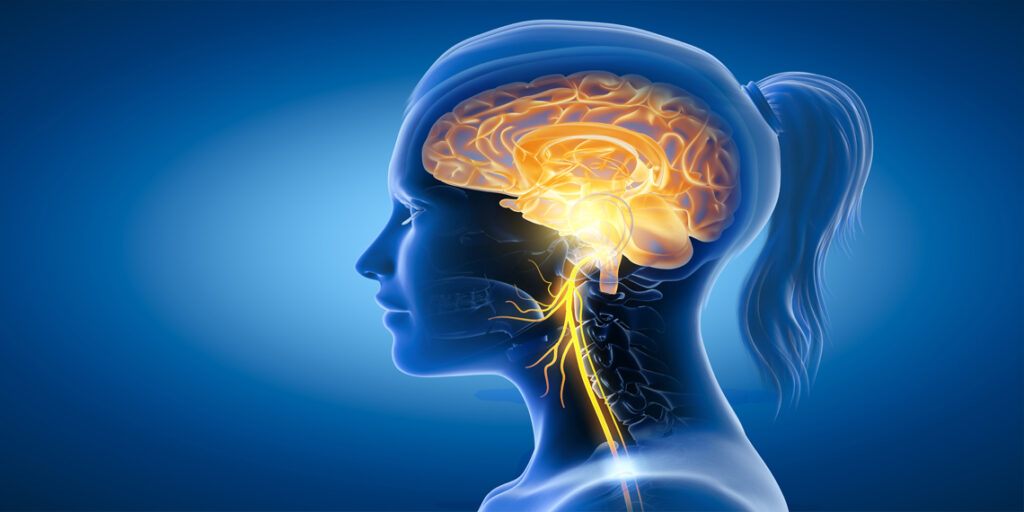
 The vagus nerve is one of the most crucial components of the autonomic nervous system, regulating many vital functions in the body. It has a wide range of effects, from reducing stress to improving digestive health. Applications such as manual therapy and osteopathy are among the effective methods that directly stimulate the vagus nerve. This article explores the importance of the vagus nerve, ways to stimulate it, and the role of manual therapy in this process.
The Importance of the Vagus Nerve
The vagus nerve extends from the brainstem, influencing the heart, lungs, digestive system, and many other organs. It is a fundamental part of the parasympathetic nervous system, with key functions including:
- Reducing stress and anxiety: Enhances parasympathetic activity, promoting relaxation.
- Supporting digestive health: Regulates gut motility and optimizes digestion.
- Balancing heart rate: Helps control heart rate and blood pressure.
- Boosting the immune system: Reduces inflammation and strengthens immune responses.
Low vagus nerve activity can lead to chronic stress, digestive issues, migraines, and chronic fatigue. Therefore, regular stimulation of the nerve is essential for overall well-being.
Ways to Stimulate the Vagus Nerve
Activating the parasympathetic nervous system through vagus nerve stimulation can be achieved with the following effective techniques:
1. Manual Therapy and Osteopathic Techniques
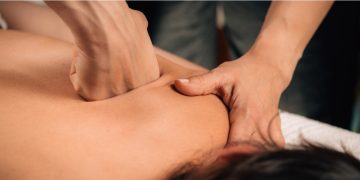
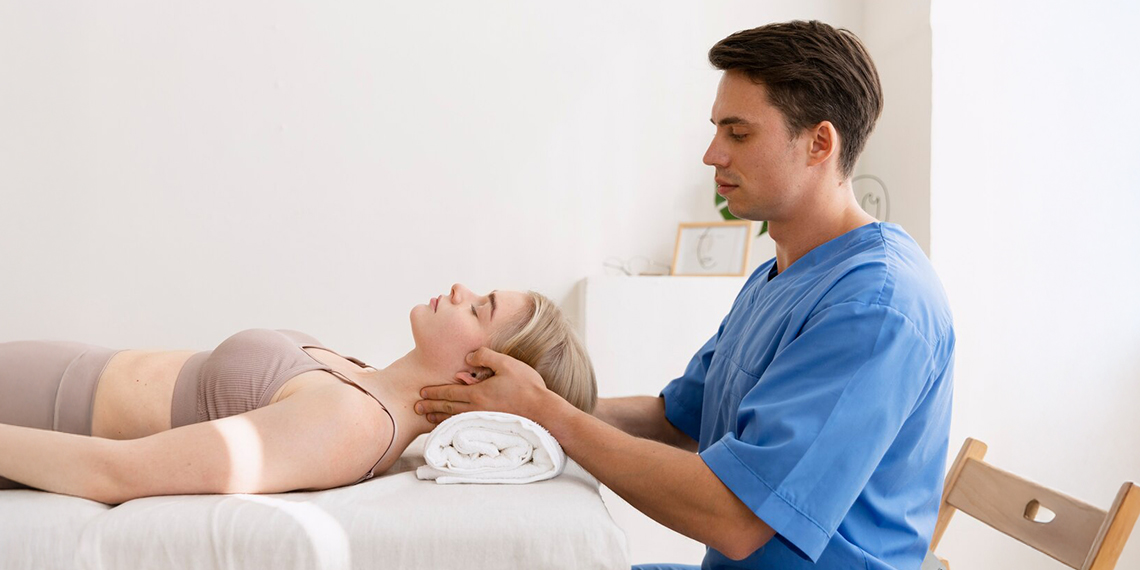
Manual therapy and osteopathic approaches can mechanically stimulate the vagus nerve, enhancing parasympathetic response. Specific applications on the neck, skull base (suboccipital region), and diaphragm directly influence the vagus nerve.
-
Cranial Osteopathy (Skull Base Manipulations)
- The jugular foramen at the base of the skull is a crucial anatomical passage for the vagus nerve. Restrictions in this area can negatively affect its function.
- Gentle osteopathic manipulations can help relax the nerve and enhance parasympathetic activity.
-
Neck Mobilizations
- Dysfunction in the C1 and C2 vertebrae may put pressure on the vagus nerve.
- Gentle stretching and mobilization techniques can reduce muscle tension and alleviate nerve compression.
-
Diaphragm and Visceral Manipulation
- The diaphragm is closely linked to the vagus nerve. Relaxation techniques for the diaphragm can enhance vagus nerve activity and improve digestive function.
- Visceral manipulation involving the stomach, intestines, and other organs can relieve pressure on the vagus nerve, promoting better digestion.
2. Diaphragmatic Breathing Exercises
Deep, controlled breathing is one of the most effective ways to stimulate the vagus nerve. Diaphragmatic breathing enhances parasympathetic activity and optimizes nerve function.
How to practice:
- Inhale deeply through your nose for 4 seconds.
- Hold your breath for 4 seconds.
- Exhale slowly through your mouth for 6-8 seconds.
3. Cold Exposure
Washing the face with cold water or taking cold showers can activate the vagus nerve. Cold stimuli enhance the parasympathetic response, promoting relaxation.
4. Sound and Vibration Therapy (Humming, Singing, Chanting)
The vagus nerve is connected to the vocal cords. Activities such as singing, humming, or chanting mantras can stimulate the nerve.
5. Probiotics and a Healthy Diet
There is a direct link between gut health and the vagus nerve. Consuming fermented foods (yogurt, kefir, pickles) and fiber-rich foods can support vagus nerve function.
6. Gentle Exercise and Yoga
Yoga and light aerobic exercises can enhance vagus nerve activity. Movements that improve spinal mobility and deep breathing techniques help keep the vagus nerve active.
Conclusion
The vagus nerve plays a critical role in regulating essential bodily functions. Various techniques, including manual therapy, osteopathic approaches, breathing exercises, cold exposure, and diet adjustments, can help stimulate this nerve, reducing stress, improving digestion, and supporting overall health.
To explore the effects of manual therapy on the vagus nerve further and learn techniques suited to your individual needs, consult a specialist.