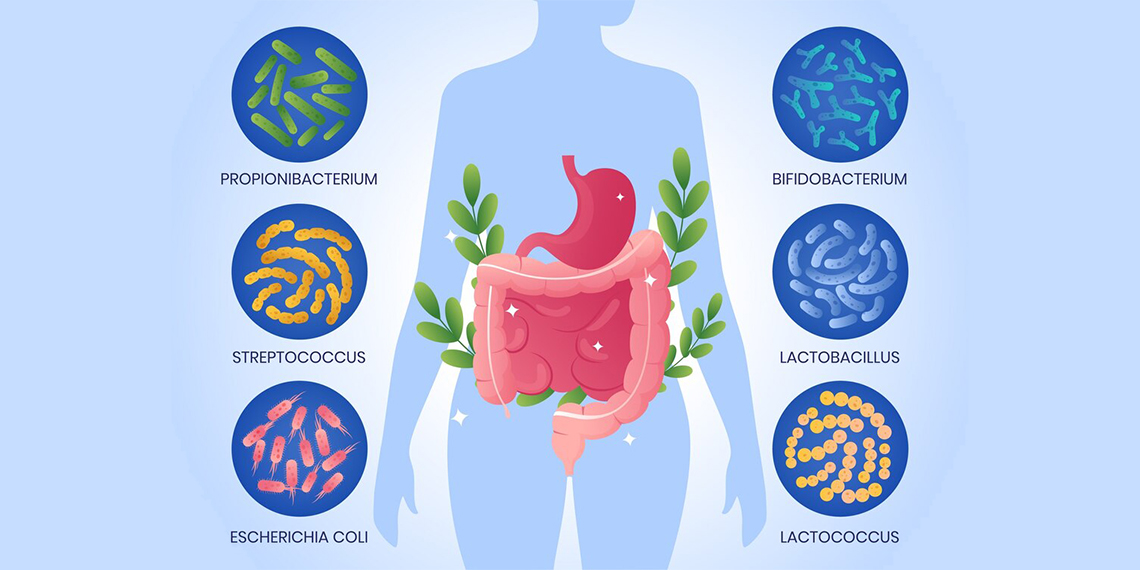
Although oral and gut health are often considered separate systems, scientific research shows a strong link between them. Bacteria in the mouth not only affect teeth and gums but can also travel through the digestive system, altering gut microbiota. Similarly, an imbalance in gut flora can negatively impact oral health, leading to gum disease and infections.
Recent studies indicate that this connection is even more significant than previously thought. Conditions such as autoimmune diseases, inflammatory bowel diseases, and even depression have been linked to both oral and gut microbiota (D’Angelo, 2025).
Oral and Gut: A Journey from the Start to the End of Digestion
The digestive process begins in the mouth, where microorganisms influence gut balance. The bacterial diversity in the mouth is directly related to microbial communities in the gut. According to Biagioli (2025), imbalances in gut microbiota during pregnancy can negatively impact oral health.
Gum disease, in particular, can reduce beneficial gut bacteria and increase harmful microorganisms. Studies show that periodontal diseases alter gut microbiota and trigger a chain reaction affecting the immune system. This weakens the body’s defenses against infections and, in the long run, can lead to digestive issues and immune imbalances (Navarro-Sánchez, 2025).
What Changes in the Gut When Oral Health Deteriorates?
1. Harmful Bacteria Enter the Gut Ecosystem
Harmful bacteria accumulated in the mouth can reach the gut through saliva and swallowing, disrupting microbial balance. Navarro-Sánchez (2025) found that bacteria such as Porphyromonas gingivalis, commonly found in the mouth, are linked to gut microbiota changes and an increased risk of colon cancer.
2. Weakened Immune System
Chronic inflammation caused by gum disease keeps the immune system in a constant state of alert, putting stress on the digestive system. Patankar (2025) suggests that probiotics and herbal supplements can help balance this process, protecting both oral and gut health.
The Impact of Gut Flora on Oral Health
Disruptions in gut balance can directly affect oral health. A study by Zheng (2025) found that changes in gut microbiota influence bacterial diversity in the mouth, increasing the risk of gum disease. This is because the gut is directly connected to the immune system. If gut flora is imbalanced, the body’s overall defense mechanisms weaken, reducing resistance to oral infections.
Therefore, simply brushing teeth or using mouthwash is not enough. Maintaining gut health is essential for balancing oral microbiota and protecting gum health (Clark, 2025).
4 Essential Steps to Support Oral and Gut Health
1. Maintain Oral Hygiene
- Brush your teeth at least twice a day.
- Use dental floss to remove bacterial plaque between teeth.
- Reduce harmful bacteria with antiseptic mouthwash.
2. Follow a Gut-Friendly Diet
- Consume probiotic-rich foods such as yogurt, kefir, and fermented vegetables.
- Eat fiber-rich vegetables to nourish beneficial gut bacteria.
- Avoid processed foods and refined sugar.
3. Manage Stress
- Chronic stress disrupts gut microbiota and weakens the immune system.
- Balance stress through meditation, yoga, or breathing exercises.
4. Stay Hydrated
- Water increases saliva production, preventing harmful bacterial growth in the mouth.
- It also regulates bowel movements, aiding digestion.
Conclusion
Although oral and gut health may seem like separate systems, they are closely interconnected. Maintaining oral hygiene not only prevents cavities and gum disease but also helps balance gut flora. Similarly, a gut-friendly diet and lifestyle positively influence oral bacteria, reducing the risk of gum disease.
A healthy oral and gut microbiome is one of the most crucial factors in overall well-being. Adopting a balanced approach to both systems is a fundamental step toward long-term health and strength.
References
- D’Angelo, E. (2025). Autism Spectrum Disorder, Oral Implications, and Oral Microbiota. Children.
- Biagioli, V. (2025). Microbiome and Pregnancy Dysbiosis: A Narrative Review. Nutrients.
- Navarro-Sánchez, A. (2025). Is the oral pathogen Porphyromonas gingivalis associated with colorectal cancer? BMC Cancer.
- Zheng, Z. (2025). Association between oral microbiome and depression. Journal of Affective Disorders.
- Patankar, S. (2025). Comparative clinical trial to evaluate the safety and efficacy of herbal formulations on gut health. Journal of Ayurveda and Integrative Medicine.
- Clark, E. (2025). Meta-analysis of the impact of non-antibiotic feed additives on livestock and human microbiome. Journal of Advanced Research in Microbiology.