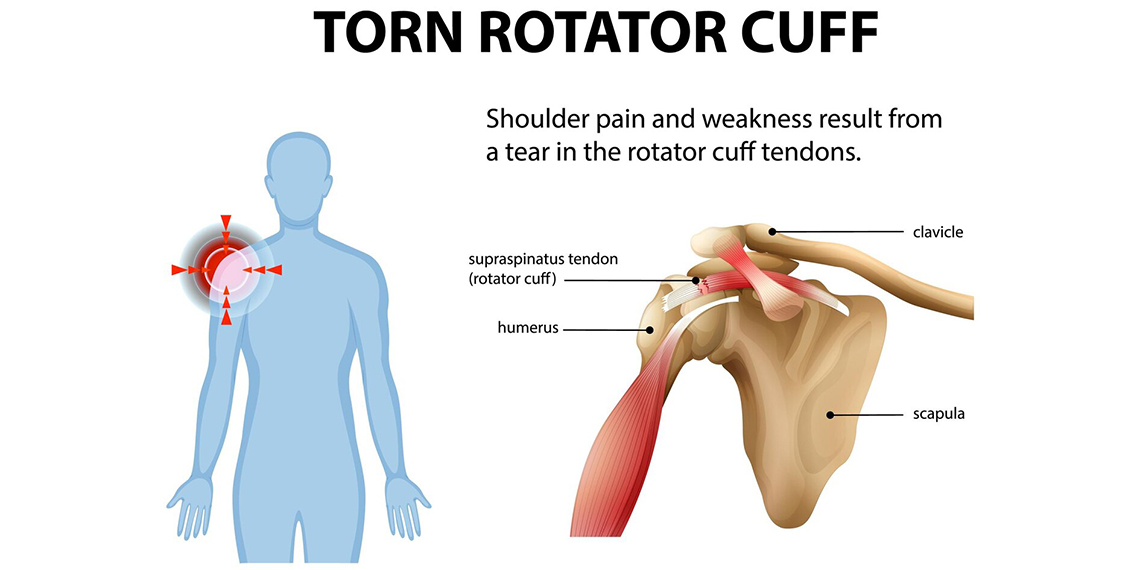
The rotator cuff is composed of four muscles (supraspinatus, infraspinatus, teres minor, and subscapularis) that provide shoulder joint stability and play a crucial role in the functionality of the upper extremity. These muscles support shoulder movements while also ensuring dynamic stabilization. Rotator cuff injuries typically develop due to overuse, trauma, or degenerative processes and are among the most common causes of shoulder pain.
Conservative treatment approaches for rotator cuff pathologies, including manual therapy and atlas therapy, are gaining increasing attention. This article examines the effectiveness of manual therapy and atlas therapy in rotator cuff injuries from a scientific perspective.
Rotator Cuff Injuries and Clinical Findings
Rotator cuff injuries can include muscle tears, tendinitis, bursitis, and impingement syndrome. The most common symptoms in these conditions include:
- Shoulder pain: Frequently worsens at night and during rest.
- Limited range of motion: Weakness, particularly when lifting the arm overhead.
- Loss of strength: Noticeable weakness, especially in the supraspinatus and infraspinatus muscles.
- Impingement signs: Shoulder impingement syndrome is often associated with the supraspinatus tendon being compressed under the acromion.
Conservative treatment strategies aim to reduce inflammation, maintain joint mobility, and restore muscle balance.
Manual Therapy and Rotator Cuff Rehabilitation
Manual therapy includes mobilization and manipulation techniques performed by hand to improve shoulder joint biomechanics, optimize musculoskeletal function, and reduce pain.
Mechanisms of Action in Manual Therapy
- Pain Reduction: Manual therapy stimulates mechanoreceptors, helping to decrease pain perception.
- Increased Joint Mobility: Joint mobilizations enhance movement in the glenohumeral joint, promoting functional recovery.
- Regulation of Muscle Tone: Soft tissue mobilizations help reduce muscle spasms, restoring muscular balance.
- Enhanced Proprioceptive Feedback: Manual interventions on joints and muscle tissues improve movement control.
Atlas Therapy and Rotator Cuff Treatment
Atlas therapy is a technique aimed at correcting cervical spine alignment to enhance postural balance. Its impact on rotator cuff injuries is related to the role of the cervicothoracic region in shoulder function.
Mechanisms of Action in Atlas Therapy
- Improvement of Spinal Biomechanics: Correcting misalignments in the upper cervical region can support optimal shoulder movement patterns.
- Prevention of Muscle Inhibition: Adjusting atlas alignment may help muscles achieve optimal tone.
- Regulation of Neural Communication: Eliminating cervical irregularities can reduce pressure on the brachial plexus, improving shoulder muscle function.
Conclusion
Manual therapy and atlas therapy are significant conservative treatment options for rotator cuff injuries. Manual therapy enhances joint mobility and muscle function, providing an effective rehabilitation process, while atlas therapy indirectly supports shoulder function by correcting cervical alignment.