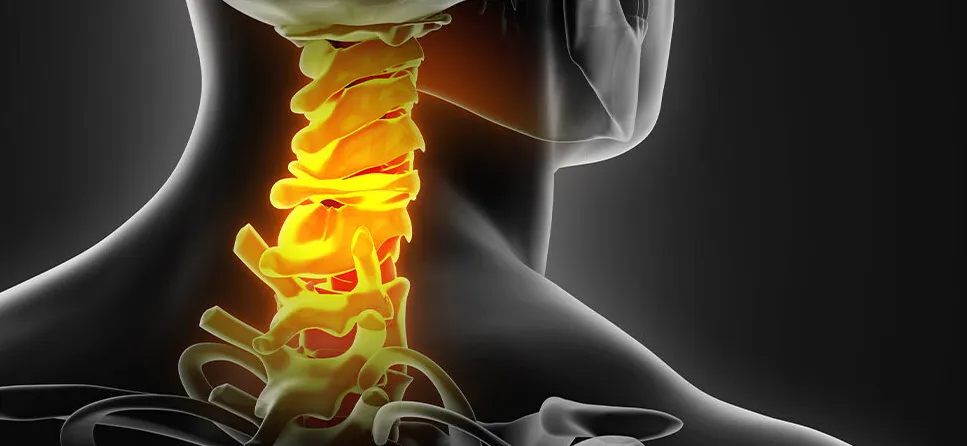
A herniated disc in the neck occurs due to damage in the disc structure between the vertebrae, leading to the gelatinous substance shifting towards the spinal canal. The gelatinous material helps reduce shock waves when movements occur between the vertebral bones in the spinal cord.
During the treatment process for a herniated disc, patients are taught proper sitting and lying positions. If deemed necessary, the specialist may recommend local heat therapy and suggest pain relievers and muscle relaxants to manage pain caused by the herniated disc. Under the supervision of physical therapy specialists, exercises involving pushing, pulling, and stretching are performed, while cervical collars are used in daily life.
What Causes a Herniated Disc?
A herniated disc can develop due to prolonged immobility. The loss of water in the spinal disc due to aging, along with wear and tear of the layers, can lead to the gelatinous fluid leaking into the spaces between the vertebrae, resulting in a herniated disc. Other causes of herniated discs include:
- Spending long periods in front of the TV or computer
- Working in incorrect sitting positions
- Lack of sufficient exercise and prolonged exposure to air-conditioned environments
In addition to these factors, herniated discs may also be observed as an occupational disease in drivers, nannies, household workers, and individuals working at computers.
What Are the Symptoms of a Herniated Disc?
The main symptoms of a herniated disc can be listed as follows:
- Pain in the arms and shoulders
- Weakness in the arms
- Diminished reflexes
- Thinning of the arms
- Back pain
These symptoms may indicate the presence of a herniated disc.
How is a Herniated Disc Diagnosed?
Diagnosis of a herniated disc involves a detailed physical examination. After biochemical tests and computed tomography, a specialist will make a diagnosis. If necessary, further radiological tests like EMG may be conducted to provide additional diagnostic information.
What is Herniated Disc Surgery?
Herniated disc surgery is a surgical procedure where the portion of the disc that is pressing on the nerves is removed. Surgical intervention is preferred for advanced cases accompanied by neurological problems. The surgery involves addressing the problematic portion of the disc to relieve the herniation.
Can Non-Surgical Treatment Be Applied for a Herniated Disc?
Up to a certain stage, non-surgical treatment options can be applied for herniated disc issues. In such cases, non-surgical treatments like manual therapy should be tried first. If non-surgical treatments do not yield positive results, surgery should be considered.
What Are the Alarm Symptoms of a Herniated Disc?
Symptoms that indicate the need for treatment and suggest a herniated disc include:
- Pain that does not ease under any conditions
- Increased chills, shivering, and fever
- Unexplained weight loss
- Increased pain when touching the neck
This content is for informational purposes only. You can consult a specialist for diagnosis and treatment. For questions regarding physiotherapy, feel free to reach out to us.