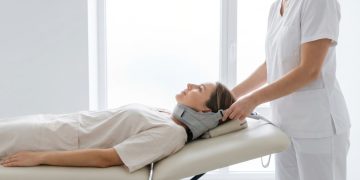
Clinical Pilates is a movement control-focused, personalized rehabilitation method created by Joseph Pilates during World War I for rehabilitating injured patients. It is still in use today as an exercise method that facilitates rapid recovery after injury or surgery. The exercises can be personalized according to the treatment methods to be applied.
Pilates Principles
When Pilates methods were first developed, no specific rules were established; however, over time, they have been based on certain fundamentals. The main accepted and utilized principles are:
- Breathing
- Concentration
- Centering
- Control
- Precision
- Fluidity of movement
Concentration is essential for the exercises to provide the desired benefits and to achieve correct posture. The movements must be performed regularly and monitored.
Benefits of Pilates Exercises
Using the correct techniques is crucial when performing Pilates exercises. When the established principles are applied in order and correctly, the targeted benefits will be achieved. The benefits of these exercises include increased muscle flexibility, strength, endurance, and improved posture. When performed with the right techniques, blood circulation is enhanced, and cellular renewal is promoted, which helps address various health issues.
Pilates Exercises
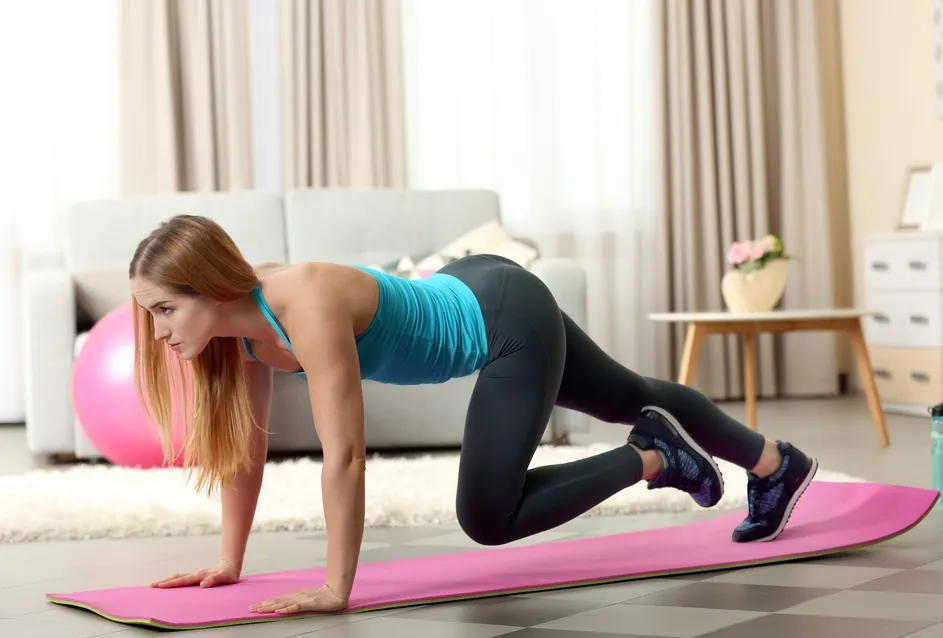
To eliminate issues that cause postural problems or various musculoskeletal disorders, various exercises need to be performed. The aim of Pilates exercises is to develop postural and balance characteristics. These exercises involve multiple muscle synergies and can be applied to all joints.
Which Conditions Are Treated with Pilates Exercises?
Pilates exercises are deemed appropriate for individuals of all ages, particularly following trauma, pregnancy, or sports injuries. Pilates exercises are prepared as part of a rehabilitation program, beginning with strengthening activities. They are commonly applied for conditions such as osteoarthritis treatment, chronic pain, scoliosis treatment, soft tissue rheumatism, and osteoporosis. Additionally, Pilates can be performed at any age to enhance body flexibility.
How Are Pilates Exercises Performed?
Different tools are used according to the individual’s health issues or personal goals. Equipment such as springs and pulleys with different resistance properties, rings, and balls are utilized for Pilates. Special sessions planned according to the individual’s condition are typically conducted 2-3 times a week, lasting about 45 minutes each.
This content is for informational purposes only. You can consult a specialist for diagnosis and treatment. For questions regarding physiotherapy, especially Pilates, feel free to reach out to us.