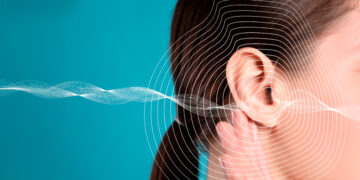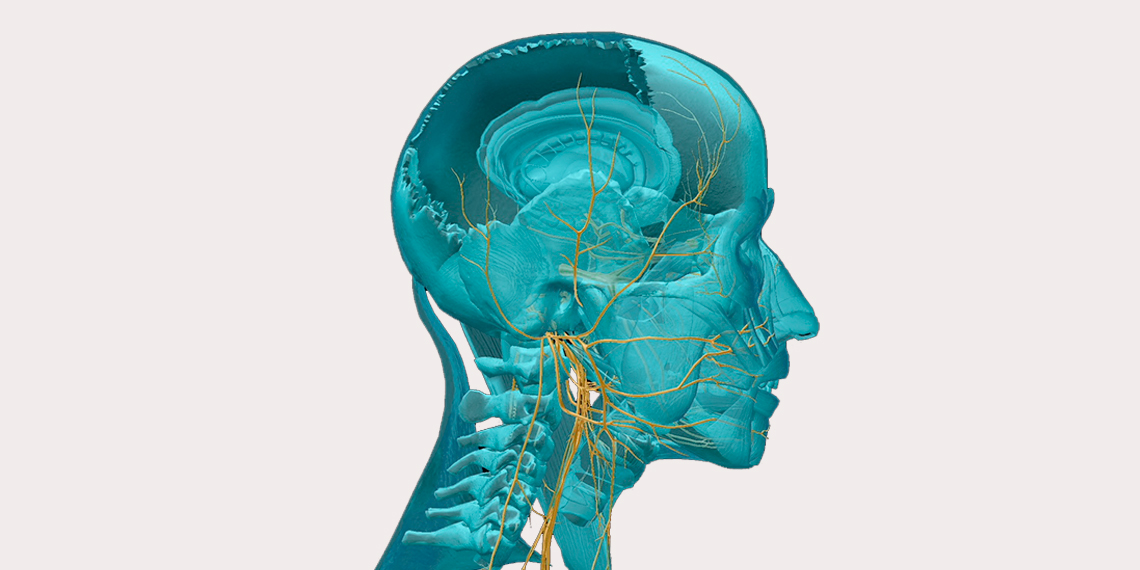
Hearing loss is a significant health issue that can deeply affect individuals’ daily lives. It may lead to social isolation and communication difficulties. Affecting millions of people worldwide, hearing loss can result from various causes. It is generally classified into three types: conductive, sensorineural, and mixed hearing loss. Mechanical or neural impairments in the eardrum, middle ear, or inner ear can lead to a reduction in hearing ability.
In recent years, a more holistic approach to hearing health has highlighted the importance of evaluating not only ear structures but also their connections to the nervous system and spine. Within this perspective, the relationship between the atlas vertebra, the first cervical vertebra of the neck, and auditory function has gained attention.
The atlas is the topmost cervical vertebra and supports the skull. Anatomically, it differs from other vertebrae as it does not contain an intervertebral disc. This region connects directly to the skull and is located very close to the central nervous system. Misalignments of the atlas vertebra can lead to mechanical pain, as well as significant effects on the nervous, vascular, and lymphatic systems.
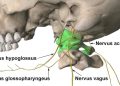
Due to its proximity to the base of the skull and the brainstem, dysfunction of the atlas vertebra may exert pressure on cranial nerves that emerge from the brainstem. One of these nerves is the vestibulocochlear nerve (eighth cranial nerve), which is responsible for hearing and balance. Any mechanical, vascular, or neurological pressure that affects this nerve can lead to hearing loss and balance disorders.
How Is the Link Between the Atlas and Hearing Established?
Misalignments in the atlas vertebra may result from trauma, congenital abnormalities, poor posture, or muscular asymmetry in the neck. These issues can increase pressure at the base of the skull. Such pressure may cause narrowing or nerve compression in the structures that facilitate communication between the skull and neck.
The vestibulocochlear nerve carries information related to hearing and balance. This sensitive pathway transmits data from the inner ear to the brainstem. If atlas alignment is disturbed, the nerve can be mechanically stretched or compressed by surrounding tissues. As a result, the following symptoms may occur:
-
Unilateral or bilateral hearing loss
-
A sensation of fullness in the ear
-
Difficulty distinguishing high-pitched sounds
-
Tinnitus (ringing in the ears)
-
Accompanying dizziness or balance problems
In addition, misalignment-related circulatory disruptions can impair blood flow to the cochlea and vestibular organs in the inner ear. This may increase the risk of sensorineural hearing loss.
Atlas and Manual Therapy Applications
Atlas manipulation is a manual therapy technique that aims to restore the C1 vertebra to its natural anatomical position. The goal of this intervention is to reduce pressure on neural, vascular, and lymphatic structures, improve postural balance, and enhance communication between the head and neck.
After atlas alignment is corrected, some patients may experience noticeable improvement in hearing. Several case reports and pilot studies in the clinical literature support this observation. In particular, for cases of hearing loss that occur after trauma and do not respond to other treatments, the position of the atlas should be evaluated and addressed with manual therapy.
Not all hearing loss has the same underlying cause. However, when hearing health is approached with a multidisciplinary perspective, the condition of the atlas vertebra should not be overlooked. In cases of sudden, unexplained, or treatment-resistant hearing loss, atlas alignment should be assessed.
Manual therapy directed at the atlas region not only helps improve posture and the head-neck relationship but also contributes to reducing pressure on the auditory and balance systems. For individuals who continue to experience unexplained hearing issues after an ENT examination, an atlas assessment may offer both diagnostic and therapeutic benefits.