A therapist’s goal should not only be to relieve fascial tensions or align joints but also to identify the underlying causes of these disorders. This approach is crucial for enhancing the durability of chiropractic interventions. If the primary issue in the body is a fascial or joint dysfunction occurring in a specific area, treatment will be incomplete without addressing that area. Even if the fascia is released or the joints are correctly aligned, if the root cause of the issue is not identified, angular distortions may recur, and the patient may face similar symptoms again.
Therefore, chiropractic and manual therapy practices should be approached holistically, evaluating not just local problems but also the global dysfunctions that cause these issues. Our approach aligns with this; we aim to find the starting point of a problem and eliminate its fundamental cause.
The Effect of Surgical Scars on Fascial Blockages
Surgical scars can lead to significant blockages in the fascial system, which are among the main causes of postural misalignments throughout the body. The fascia loses its normal function due to fibrotic changes after surgery, resulting in the spread of tension throughout the body. Scars, particularly from appendectomy, inguinal hernia repair, gallbladder surgery, and cesarean sections, disrupt the structure of the fascial system and lead to postural misalignments. Cardiac surgeries and thyroid operations can also create significant fascial tension around the neck, potentially resulting in temporomandibular joint (TMJ) dysfunctions and neck pain. While short-term positive results can be achieved after corrective angle interventions, symptoms may recur unless these types of fascial blockages are resolved.
Tinnitus and Hearing Loss: Emotional and Mechanical Causes
Tinnitus and hearing loss can emerge as a combination of mechanical and emotional factors. Clinical observations indicate that individuals with hearing loss often exhibit sadness and introversion, while those with tinnitus tend to display a more angry and extroverted profile. The difference between these two conditions may be explained by the effects of the vagus nerve and the trigeminal nerve. In cases of sadness and introversion, there is a general hardening and tension in the fascial tissues, leading to shortening of the soft tissues around the neck and impaired circulation.
In tinnitus cases, anger and stress can trigger behaviors such as teeth grinding (bruxism). Specifically, TMJ dysfunction can lead to tinnitus sounds due to the trigeminal nerve’s influence on the eardrum. Dysfunction in the jaw joint may cause various sounds to be perceived within the ear, such as crickets, humming, wind, or machine noises. In cases of TMJ-related tinnitus, orthodontic treatment is often necessary, and this treatment process can range from 3 to 6 months.
Psychological Factors and Fascial Blockages
Psychological traumas, particularly anger and stress, can create tension in the fascial system, leading to an intensification of tinnitus. Anger often results in teeth grinding and tension in the jaw muscles, which can compress the trigeminal nerve. Conversely, sadness generally induces a sense of coldness and stagnation throughout the body, leading to overall hardening of the fascial tissues and impaired circulation. The effects of these emotional states on the fascial system are often resolved through manipulation and fascial release techniques. Along with the relaxation of fascial tissue, emotional releases can also be observed, making this an effective method for addressing the physical consequences of emotional traumas.
The Relationship Between the Atlas Vertebra and the Jaw Joint
Misalignments of the atlas vertebra are closely related to the temporomandibular joint (TMJ) and the neck region. A patient may exhibit symptoms originating from both the neck and the jaw, and the types of tinnitus in these two areas can be confused. Changes in the nature of tinnitus after sessions are an important indicator for identifying the source of symptoms. While quick results can be achieved in tinnitus originating from the atlas, long-term orthodontic support may be necessary for tinnitus stemming from TMJ issues.
Additionally, among the main causes of teeth grinding are not only mechanical problems but also psychological traumas, poor nutrition, sleep disturbances, and a stressful lifestyle. These factors are significant contributors to tinnitus and hearing loss.
Genetic Predisposition and Mechanical Approach
Genetic predisposition is a significant cause of hearing loss; however, it has been shown that even this predisposition can be treated mechanically. Individuals from the same family who experience hearing loss may show improvement in their hearing capacities after manipulations of the atlas vertebra and fascial tissues. This indicates that tension-type hearing losses can be resolved despite genetic predisposition.
The Relationship Between Pressure Changes, Eustachian Tube Dysfunction, and Atlas Misalignment
Symptoms such as hearing loss and tinnitus are often associated with changes in pressure. Commonly reported experiences by patients, such as “experiencing hearing loss after boarding a plane” or “developing tinnitus after descending from a high place,” indicate a dysfunction of the Eustachian tube. The Eustachian tube helps to equalize pressure in the middle ear. If it is unable to adapt to sudden pressure changes, the pressure differential can create stress on the eardrum and middle ear structures, potentially leading to hearing loss or tinnitus.
The atlas vertebra plays a critical role in this process. Misalignments in the atlas vertebra can exert pressure on the Eustachian tube, causing dysfunction. For example, a dysfunction in the left atlas may press on the left ear, leading to hearing loss on that side, while the right ear may remain unaffected. In such cases, unilateral dysfunction is often observed due to misalignment in the atlas. The degree of hearing loss is directly proportional to the severity of the blockage in the affected side’s atlas. In these cases, correcting the alignment of the atlas can help alleviate symptoms such as hearing loss and tinnitus.
Atlas dysfunctions can be diagnosed using imaging techniques such as MRI and tomography, and these dysfunctions can be corrected through manual therapy. However, for individuals with Eustachian tube dysfunction, additional applications aimed at optimizing pressure regulation in this area are also necessary alongside this treatment.
The Relationship Between Meniere’s Disease and Atlas Dysfunction
Meniere’s disease is characterized by abnormal fluid accumulation in the inner ear structures. This condition typically presents with symptoms such as dizziness (vertigo), hearing loss, and tinnitus. Many patients with Meniere’s disease may exhibit symptoms associated with atlas dysfunction. Misalignments in the atlas can particularly increase the frequency of vertigo attacks. In these patients, correcting the atlas can lead to significant improvements in vertigo and hearing loss. Success rates of over 90% in alleviating dizziness have been reported after treatment for atlas dysfunction. However, tinnitus treatment is often a more challenging process, and other structural issues, such as temporomandibular joint dysfunction, should also be considered in these cases.
The Relationship Between the Temporomandibular Joint (TMJ) and Tinnitus
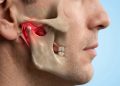
TMJ dysfunctions can lead to tinnitus due to tension in the jaw muscles and pressure on the trigeminal nerve. This is especially common in cases of teeth grinding (bruxism). Tinnitus associated with TMJ dysfunction often requires orthodontic treatment. By realigning the jaw joint with splints, braces, or other orthodontic devices, pressure on the trigeminal nerve can be alleviated. However, this process typically requires long-term treatment and may take 3 to 6 months.
Tinnitus originating from the jaw is often recognizable by the nature of the sounds reported. Patients may describe hearing different types of sounds, such as machine noises, cricket sounds, or factory noise. While tinnitus related to atlas dysfunction may improve during the initial sessions, treatment for jaw-related tinnitus can take longer. This condition should be addressed alongside orthodontic support.

Physiological Effects of Stress: Muscle Tension and Postural Disorders
Stress leads to tensions in the fascial and muscular structures of the body. Individuals under physical and psychological stress often exhibit a tendency for their muscles to remain in a state of continuous contraction. This may be related to the economic, social, and career pressures of modern life. Historically, muscle contraction under stress evolved as part of primitive defense mechanisms. However, today these contractions are often triggered by psychological stressors rather than physical threats. Chronic stress can lead to symptoms such as diaphragm tightness and the reflex to hold one’s breath. This, in turn, can cause postural issues and fascial tension.
Breath-holding is a reaction frequently observed in individuals under stress. Holding the breath leads to diaphragm contraction, resulting in overall tension and muscle tightness in the body. This tension can gradually cause postural disorders and blockages in the fascial system. Techniques such as breathing exercises are effective in reducing these types of muscle contractions in stress management. Additionally, regular exercise and physical activities can also help decrease bodily tension.
Controlling stress does not mean suppressing emotions. On the contrary, releasing and expressing emotions allows the body to relax physically. The tensions created by psychological traumas, when suppressed, can lead to fascial blockages and muscle tightness. Therefore, allowing for emotional expression plays a critical role in reducing physiological stress.

Physiotherapist