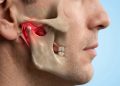
The effects of emotional traumas, particularly in adults, on the fascial system and nerve transmission is a topic that is receiving increasing attention in the scientific literature. The connection between fascial tissues and somatic dysfunction can be explained through the mechanical and biochemical reflections of physiological stress. In individuals exposed to psychological trauma, these emotional burdens manifest physically as tensions and contractures within the fascial tissue. This tension leads to an inability of the fascial system to perform its functions over a wide area, particularly negatively affecting nerve transmission and blood circulation in the neck region.
Fascia serves as a connective tissue support network between muscles, nerves, and organs in the body. Stress, trauma, or emotional blockages create chronic tension within this tissue. This tension can result in neurological and physiological dysfunctions through viscerosomatic reflex mechanisms. In particular, the continuous release of stress hormones (such as cortisol) can trigger fascial stiffness, leading to myofascial dysfunctions. This condition causes shortening and tightening of the muscles and fascial tissues around the neck, which affects the function of the vagus nerve and other cranial nerves, resulting in disturbances in circulation and nerve transmission. Consequently, this physiological adaptation process can lead to hearing loss, cervical flattening, and a general dysfunction in the head and neck region.
The Relationship Between Fascial Blockage and Emotional Release
The effects of emotional traumas on the fascial system are not limited to the mechanical level; they also trigger emotional release mechanisms. Therapeutic interventions, particularly manual techniques such as Atlas Therapy, can help physically resolve accumulated emotional burdens by relaxing the fascia. During sessions, the resolution of fascial blockages can sometimes manifest as spontaneous emotional releases in patients. This emotional release is often characterized by crying and relaxation, which can be explained by a reduction in the pressure on the parasympathetic nervous system.
As the dysfunctions caused by emotional blockages in the fascia begin to resolve, neurological transmission in these areas is restored, accelerating the return of the nervous system to autonomic balance. This process is particularly related to the fascial structures around the neck. The shortening and stiffening of the neck muscles and fascia can lead to nerve compression and reduced blood circulation in this region. Impaired circulation results in tissues not receiving sufficient oxygen and nutrients, leading to functional disorders. In such cases, the resolution of fascial blockages caused by emotional traumas, along with the reorganization of circulation, contributes to the improvement of hearing loss.
The Relationship Between the Fascial System and Body Dynamics
All systems in the body are interconnected, and the fascial system is one of the most critical structures that facilitate these connections. Fascia envelops muscles, organs, and bones, providing integrity throughout the body. Therefore, tension or dysfunction in any area of the body can lead to imbalances in other regions. For example, tension in the plantar fascia can manifest along the postural chain, potentially causing alignment issues that extend to the neck, spine, and even the jaw joint. An increase in tension on the atlas vertebra, in particular, affects the functional structure of the neck and surrounding tissues, especially in critical areas like the temporomandibular joint (TMJ).
Moreover, a missing tooth or malocclusion in the jaw region can lead to functional disorders in distal joints, such as the ankle. This is because the entire body operates as a cohesive unit through the internal connections of the fascial network. The widespread influence of the fascial system necessitates a holistic approach in therapeutic interventions. Therefore, when addressing a patient, it is essential to consider not only local problems but also all tensions and imbalances extending along the fascial chain.

Physiotherapist