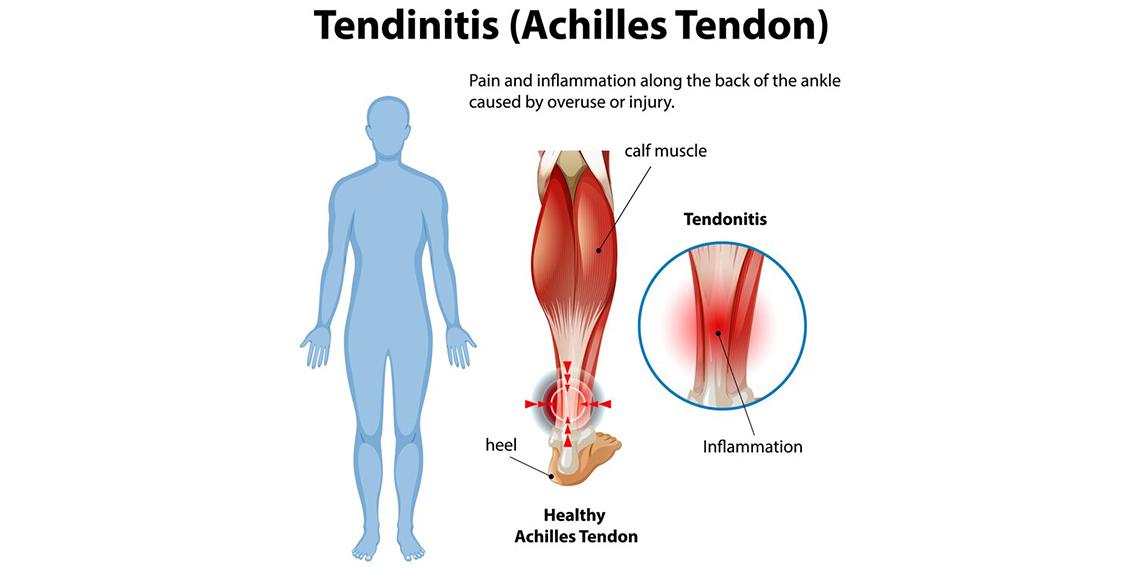
Tendinitis is a musculoskeletal disorder characterized by inflammation of the tendon. It typically occurs due to repetitive microtraumas, overuse, postural imbalances, and biomechanical dysfunctions. While traditional treatment methods include rest, ice application, non-steroidal anti-inflammatory drugs (NSAIDs), and exercise, manual therapy and atlas therapy have recently gained increasing attention in tendinitis treatment.
Pathophysiology of Tendinitis
Tendons are dense collagen structures that connect muscles to bones and can be exposed to microtraumas under repetitive loading and biomechanical stress.
Factors contributing to the development of tendinitis include:
- Mechanical stress and overuse: Common among athletes and individuals performing repetitive movements.
- Circulatory disorders: Limited blood supply to tendon tissue can hinder healing.
- Biomechanical misalignment: Imbalances in the ankle, knee, hip, and spine alignment increase the risk of tendinitis.
- Aging and degenerative changes: Degradation of collagen structures reduces tendon resistance, making it more prone to tendinitis.
Tendinitis most commonly affects high-load-bearing areas such as the rotator cuff tendons in the shoulder, epicondyle tendons in the elbow, patellar tendon in the knee, and Achilles tendon in the foot.
Manual Therapy and Tendinitis
Manual therapy encompasses hands-on techniques aimed at correcting musculoskeletal dysfunctions. Some key manual therapy techniques used in tendinitis treatment include:
Mobilization and Manipulation Techniques
- Joint dysfunctions and biomechanical misalignments play a significant role in the development of tendinitis.
- Joint mobilization and soft tissue techniques can help reduce mechanical load on the tendon, promoting healing.
Myofascial Release Techniques
- Tendinitis is often associated with excessive tension in surrounding muscle groups.
- Fascia manipulation and trigger point therapy help relieve excessive muscle tension, reducing stress on the tendon.
Manual Therapy Combined with Eccentric Exercises
- Eccentric loading stimulates collagen synthesis in the tendon, accelerating the repair process.
- When combined with manual therapy, proper mechanical alignment can be restored, enhancing the effectiveness of eccentric exercises.
Atlas Therapy and Tendinitis
Atlas therapy is an approach that focuses on the alignment of the atlas (C1) vertebra in the upper cervical region. Proper atlas alignment is thought to have significant effects on postural balance, muscle tone, and nervous system regulation.
Effects of Atlas Alignment on Posture and Biomechanics
- Changes in atlas positioning can affect spinal and pelvic alignment, altering load distribution in the lower extremities.
- Postural imbalances increase stress on tendons, contributing to tendinitis.
- Atlas therapy may help reduce mechanical stress, particularly in chronic tendinitis cases.
Nervous System and Pain Modulation
- Proper atlas alignment may enhance vagus nerve activity, reducing the inflammatory response.
- Regulation of the autonomic nervous system can help alleviate chronic pain mechanisms associated with tendinitis.
Clinical Recommendations
Tendinitis is a complex condition influenced by biomechanical factors. Manual therapy can correct mechanical alignment, reducing stress on the tendon and accelerating healing. Atlas therapy, on the other hand, may provide potential benefits in terms of postural balance and neuromuscular control.
Treatment Approach:
- Conduct a biomechanical analysis to determine the underlying causes of tendinitis.
- Integrate manual therapy techniques (mobilization, myofascial release, manipulation) into the treatment plan.
- Implement eccentric exercises and proprioceptive training to improve tendon resilience.
- Consider atlas therapy as a supportive method, particularly in cases of tendinitis linked to postural imbalances.
By adopting a holistic treatment approach, more effective and long-term solutions can be achieved in the management of tendinitis.