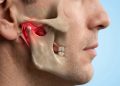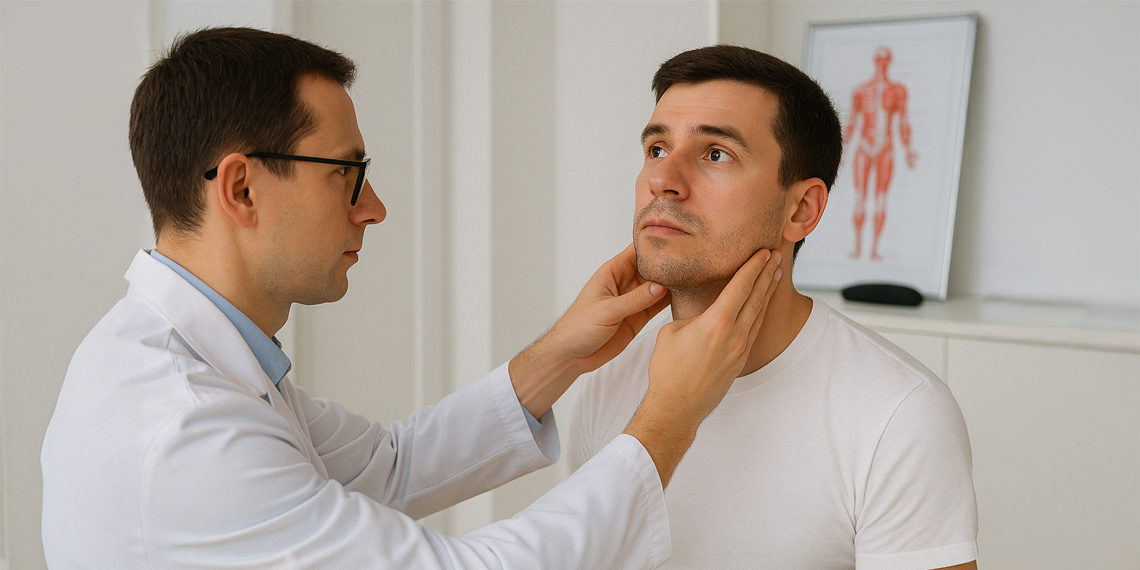
Temporomandibular joint (TMJ) disorders are often overlooked problems that directly affect essential daily functions such as chewing, speaking, and swallowing. Located in the area just in front of the ears, this complex joint interacts strongly with both the musculoskeletal and nervous systems.
What Are TMJ Disorders?
TMJ disorders encompass a range of conditions affecting the jaw joint, its surrounding muscles, and connective tissues. The most common symptoms include:
-
Restricted jaw movement
-
Joint noises (clicking, popping, or crepitus)
-
Pain around the ears or in the head and neck region
-
Headaches and difficulty chewing
These symptoms are often caused by factors such as stress, trauma, poor posture, teeth grinding (bruxism), or misaligned dental structures.
Diagnostic Process: A Multidisciplinary Approach
Diagnosing TMJ disorders involves more than just imaging methods. Clinical examination, patient history, and functional assessment all play a key role. Physiotherapists, dentists, ENT specialists, and psychologists are important stakeholders in this process.
What Is Manual Therapy and How Is It Used for TMJ?
Manual therapy is a collection of hands-on techniques aimed at treating the musculoskeletal system. In TMJ disorders, the following techniques are especially beneficial:
-
Myofascial release: Reduces tension in the chewing muscles
-
Mobilization: Aims to increase the joint’s range of motion
-
Traction and gliding techniques: Create space between joint surfaces to reduce pressure
-
Postural correction techniques: Improve neck and back alignment to reduce indirect strain on the jaw
What Does the Research Say?
There are notable studies in international literature regarding the effectiveness of manual therapy for TMJ disorders:
-
Ferreira et al. (2015): Found that a combination of manual therapy and exercise applied to the TMJ significantly reduced pain and improved mouth opening.
-
De Laat et al. (2003): Reported that manual therapy led to faster functional recovery compared to traditional treatments.
-
Krause et al. (2020): Showed that biomechanically-focused manual techniques improved patients’ quality of life.
Practical Considerations
When applying manual therapy for TMJ disorders, the following points should be considered:
-
A personalized treatment plan should be developed for each individual.
-
The patient should be actively involved in the process through supportive techniques such as home exercises and stress management.
-
If dental support is needed, referral to an orthodontist, oral surgeon, or dentist is essential.
Conclusion
Although TMJ disorders may seem to involve a small anatomical area, their impact on quality of life is significant. When applied correctly, manual therapy stands out as an effective, non-invasive, and complementary treatment method in this field. Personalized assessment and an interdisciplinary approach play a key role in enhancing the success of this therapy.