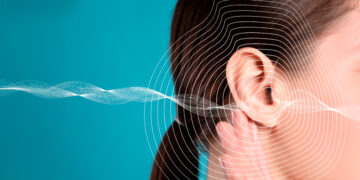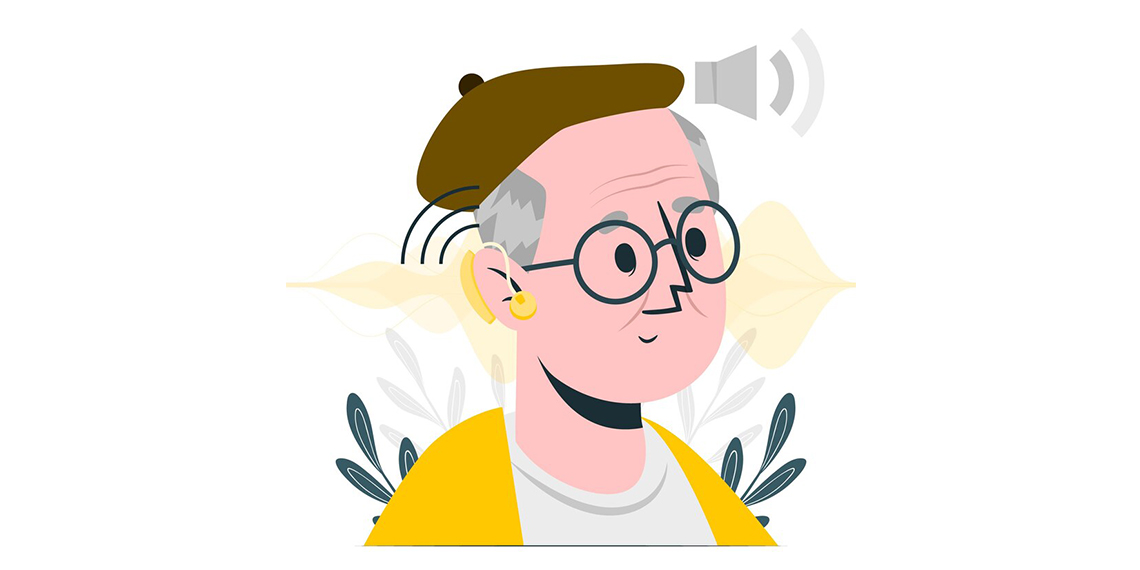
Hearing loss is a condition that makes it difficult for a person to perceive sounds around them, and there are different types. One of these is sensorineural hearing loss (SNHL). In this article, we will discuss in detail what SNHL is, its symptoms, causes, and solutions.
What is Sensorineural Hearing Loss (SNHL)?
Sensorineural hearing loss is a type of hearing loss resulting from damage to the cochlea (inner ear) or the auditory nerve (nervus cochlearis). It can cause a person to partially or completely lose their hearing ability by making it difficult for sound waves to be transmitted to the brain.
Symptoms of Sensorineural Hearing Loss
SNHL usually manifests itself with the following symptoms:
- Inability to understand speech or difficulty understanding
- Difficulty hearing when there is background noise
- Hearing sounds muffled or distorted
- Inability to hear certain high-frequency sounds (e.g., children’s voices or bird chirping)
- Ringing in the ears (tinnitus)
- Balance problems (in some cases)
Causes of Sensorineural Hearing Loss
SNHL can be caused by many different factors. The most common causes are:
-
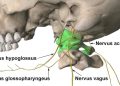
Atlas Angle Disorders and Nerve Compression The atlas (C1) vertebra at the top of the neck is a structure that supports the skull and provides a critical connection between the spine and the central nervous system. Misalignment (subluxation or rotational displacement) of the atlas can put pressure on the vagus nerve, trigeminal nerve, and auditory nerve (nervus cochlearis).
This situation can:- Cause hearing loss by impairing blood flow to the inner ear.
- Create tinnitus and balance disorders by affecting the autonomic nervous system balance.
- Cause disruptions in sound transmission by preventing the optimal functioning of the auditory nerves.
-
Age-Related Hearing Loss (Presbycusis) As people age, the nerve cells in the inner ear may lose function over time.
-
Noise-Induced Hearing Loss Prolonged exposure to loud environments or exposure to sudden loud noise can damage the hair cells in the inner ear.
-
Genetic Factors There may be a genetic predisposition if there is a family history of hearing loss.
-
Head and Ear Injuries Head injuries can damage the structures in the inner ear, leading to hearing loss.
-
Infections and Diseases Diseases such as measles, mumps, and meningitis can damage the inner ear.
-
Ototoxic Drugs Some antibiotics, chemotherapy drugs, and diuretics can damage the auditory nerves.
-
Meniere’s Disease Changes in fluid pressure in the inner ear can cause hearing and balance problems.
-
Tumors Tumors such as acoustic neuroma that put pressure on the auditory nerve can lead to hearing loss.
Solutions for Sensorineural Hearing Loss
Atlas Therapy and Manual Therapy
Misalignment of the atlas vertebra can cause hearing loss by putting pressure on the auditory nerve and vagus nerve. Atlas therapy can improve nerve transmission and alleviate hearing loss symptoms by correcting spinal alignment.
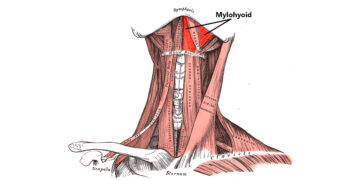
By relaxing the neck muscles with manual therapy techniques, blood flow can be increased, which can improve circulation in the inner ear.
Hearing Aids
In cases of mild to moderate SNHL, hearing aids can help the person hear better by amplifying sound.
Cochlear Implants
In cases of severe hearing loss where hearing aids are not sufficient, cochlear implants can support hearing by transmitting electrical signals directly to the brain.
Audiological Rehabilitation
Special education and therapy programs can be implemented to help individuals with hearing loss communicate better.
Protection Against Noise
To prevent the progression of hearing loss, loud environments should be avoided, and appropriate ear protection should be used.
Drug Treatment (For Limited Situations)
Corticosteroids can be used to reduce inflammation, especially in cases of sudden hearing loss.
Conclusion
Sensorineural hearing loss is a condition caused by damage to the inner ear or auditory nerve and is usually permanent. However, atlas therapy and manual therapy applications can play an important role in improving hearing functions by reducing nerve compression. In addition, methods such as hearing aids, cochlear implants, and audiological rehabilitation can improve the quality of life for individuals experiencing hearing loss. If you are experiencing symptoms of hearing loss, it is important to consult with an audiologist, an ENT specialist, and a physiotherapist specializing in manual therapy for a detailed evaluation.