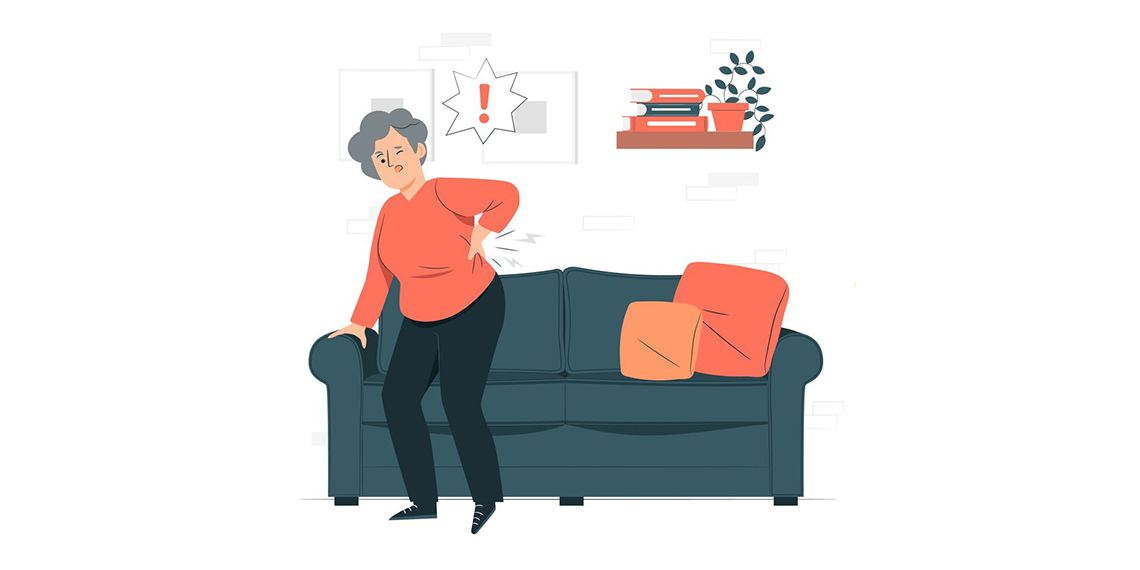
Back pain is one of the most common musculoskeletal problems encountered today, both in office workers and physically active individuals. Inactivity, repetitive strain, stress, postural disorders, and lifestyle habits can disrupt the load distribution in the lumbar region, leading to pain over time. These pains can affect a person socially and psychologically, beyond just reducing their daily quality of life.
Manual therapy offers an effective and holistic approach to the treatment of back pain. Manual therapy involves specific techniques applied with the therapist’s hands to the spine, muscles, fascia, and joints. Thanks to these techniques, the source of the pain is directly addressed, alleviating both symptoms and addressing the functional causes.
The Fundamental Approach of Manual Therapy
Manual therapy aims not only to suppress pain but also to identify the underlying biomechanical and neuromuscular causes of the pain and make adjustments accordingly. This is a critical step not only for temporary relief but also for preventing recurrent back pain.
Common problems encountered in the lumbar region include facet joint dysfunctions, pelvic imbalances, sacroiliac joint restrictions, and loss of lumbopelvic stability. When these conditions are evaluated with manual therapy, they can be managed with a wide variety of applications such as mobilization, manipulation, soft tissue release, traction, and neurodynamic techniques.
Intervention on Fascia and Muscle Tension
One of the important components of manual therapy is soft tissue mobilization. Muscle spasms, trigger point formations, and fascial tension, which are frequently encountered in back pain, disrupt circulation, restrict range of motion, and increase the sensation of pain. Manual interventions on these tissues both accelerate healing by regulating circulation and reduce the severity of symptoms by altering the neural perception of pain.
Joint Mobilization and Stabilization Balance
One of the fundamental causes underlying back pain is increased or decreased movement in certain segments of the spine. While movement can be provided in restricted segments with mobilization techniques, biomechanical blockages in the joint can be eliminated by applying a sudden but controlled movement with manipulation. However, these applications should only be performed with correct evaluation and proper indication. Otherwise, they may cause harm instead of benefit.
Furthermore, manual therapy is not just about relaxation techniques; stabilization-supporting techniques are also part of the process. Applications aimed at increasing the control of the deep muscles around the back, in particular, provide long-term protection after treatment.
Neural Approaches in Chronic Pain
Manual therapy is not just a mechanical approach but also a regulation tool for the nervous system. In chronic back pain, the sensitivity of the nervous system increases, and pain can no longer be explained solely by mechanical factors. At this point, conscious and gentle contact with the tissues can reduce the severity of pain by sending a message to the nervous system that safe movement is possible. These neurophysiological effects show that manual therapy is much more than a passive relaxation method.
Evaluation-Based Approach
In manual therapy, each individual is evaluated specifically according to the source of their pain and their body structure. Instead of standardized protocols, individual dysfunctions are targeted. This is the most important factor in the effectiveness of the treatment.
Conclusion
Back pain is a complex problem that negatively affects the quality of life. Manual therapy is an effective and personal approach performed with the hands, which aims not only to suppress this problem but also to get to its root. When applied by an experienced therapist, it provides both short-term relief and long-term protection. In approaching pain, producing solutions by listening to and touching the body, rather than temporary fixes, is the most effective way in the long run.