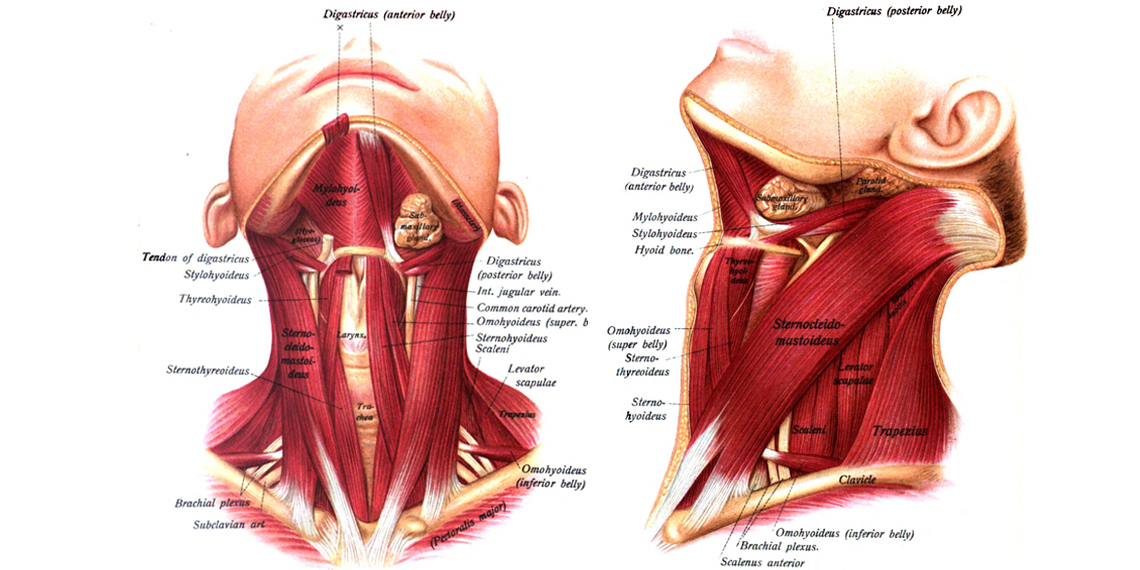
Problems in the neck muscles can lead to various ailments, with headaches being one of the most common. The neck muscles play crucial roles in head movement, jaw support, and posture maintenance. They are generally classified into superficial, intermediate, and deep layers.
Types and Functions of Neck Muscles
1. Superficial Neck Muscles
- Sternocleidomastoid (SCM) Muscle: Located on the front and side of the neck, it facilitates head tilting and rotation.
- Trapezius Muscle: A broad muscle covering the shoulder and neck area, assisting in pulling the head back and supporting shoulder movements.
2. Intermediate and Suprahyoid Muscles (Jaw-Related Muscles)
- Digastric Muscle: Connects from beneath the chin to the hyoid bone, aiding jaw movements.
- Stylohyoid Muscle: Elevates the hyoid bone during swallowing.
- Mylohyoid Muscle: Supports the floor of the mouth and contributes to chewing motions.
- Geniohyoid Muscle: Slightly pulls the jaw forward and plays a role in swallowing.
3. Deep Neck Muscles (Critical for Posture and Balance)
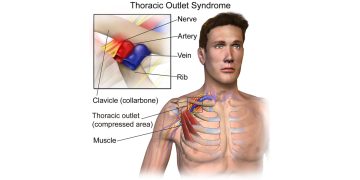
- Scalene Muscles (Anterior, Medius, Posterior): Located on the sides of the neck, they aid in lateral neck bending and assist in lifting the ribs during breathing.
- Levator Scapulae: Supports lateral head movement along with shoulder motions.
- Longus Colli and Longus Capitis: Found at the front of the neck, helping with forward head movements and posture maintenance.
- Rectus Capitis Anterior and Lateralis: Regulate precise head movements and contribute to balance.
Since the neck muscles support jaw, shoulder, and head movements, tension in these muscles can lead to both headaches and jaw pain.
The Relationship Between Neck Muscles and Headaches
1. Muscle Tension and Tension-Type Headaches
Stress, poor posture, prolonged computer use, and teeth clenching can cause neck and scalp muscle tension. This tension can lead to tension-type headaches, characterized by a pressure-like sensation on both sides of the head.
2. Trigger Points and Referred Pain
Trigger points in the neck and shoulder muscles can cause pain radiating to the head and temples. The trapezius and sternocleidomastoid (SCM) muscles are particularly known for triggering headaches.
3. Poor Posture and Its Impact on Neck Muscles
Prolonged forward head posture from excessive computer or phone use can strain the neck muscles, leading to headaches. This condition, known as “tech neck,” results from the head being constantly tilted forward, overburdening the neck muscles.
The Connection Between Neck Muscles and Jaw Problems
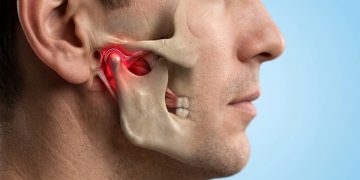
The relationship between the neck and jaw muscles is strong, as they work together to support jaw movements and head stability. Postural imbalances, stress, or teeth grinding can contribute to both neck and jaw pain.
1. Link Between Neck and Jaw Muscles
- Sternocleidomastoid (SCM) Muscle: Located on the side of the neck, it affects jaw and head movements, potentially causing tension.
- Suprahyoid and Infrahyoid Muscles: Found beneath the jaw, they assist with swallowing and speech. Tension in the neck muscles can impact these muscles as well.
- Trapezius Muscle: Though primarily a shoulder-supporting muscle, it has indirect connections to the jaw. Increased tension can worsen TMJ (temporomandibular joint) disorders.
2. How Neck Muscles Affect Jaw Issues
- Postural Imbalance: A forward head posture strains the neck muscles and places extra stress on the jaw joint.
- Bruxism (Teeth Grinding): Tight neck muscles can trigger the reflex to grind teeth, further straining both the jaw and neck muscles.
- TMJ Disorders: Excessive tension in the neck muscles can lead to misalignment and pain in the jaw joint.
The Relationship Between the Spine and Headaches
Structural problems in the spine, along with neck and jaw issues, can create pressure on nerves. Misalignment of the atlas (C1) vertebra, in particular, can affect vital nerves such as the vagus and glossopharyngeal nerves, leading to not just headaches but a range of health problems.
Atlas Therapy and Its Role in Headache Relief
Atlas therapy focuses on addressing the root causes of head and neck issues through a holistic approach. Using manual therapy and chiropractic techniques, it aims to align the spine and reduce muscle and nerve tension.
Benefits of Atlas Therapy:
- Reduces neck muscle spasms.
- Aligns the spine, improving posture.
- Relieves nerve compression, reducing headaches and tension.
Atlas therapy can be integrated with physiotherapy, orthodontics, and psychology for a comprehensive approach to treatment.
Conclusion
Tension in the neck muscles, postural issues, and stress-related factors can contribute to headaches and jaw problems. Habits such as prolonged desk work, poor posture, and teeth grinding can worsen these conditions.
To prevent such issues:
- Improve your posture and engage in regular exercises.
- Use relaxation techniques to relieve tension in neck and jaw muscles.
- Seek professional treatments such as atlas therapy and manual therapy.
Early diagnosis and the right therapy methods can help manage these problems effectively. If you frequently experience persistent neck tension and headaches, consulting a specialist can be beneficial.
Ahmet OLGUN