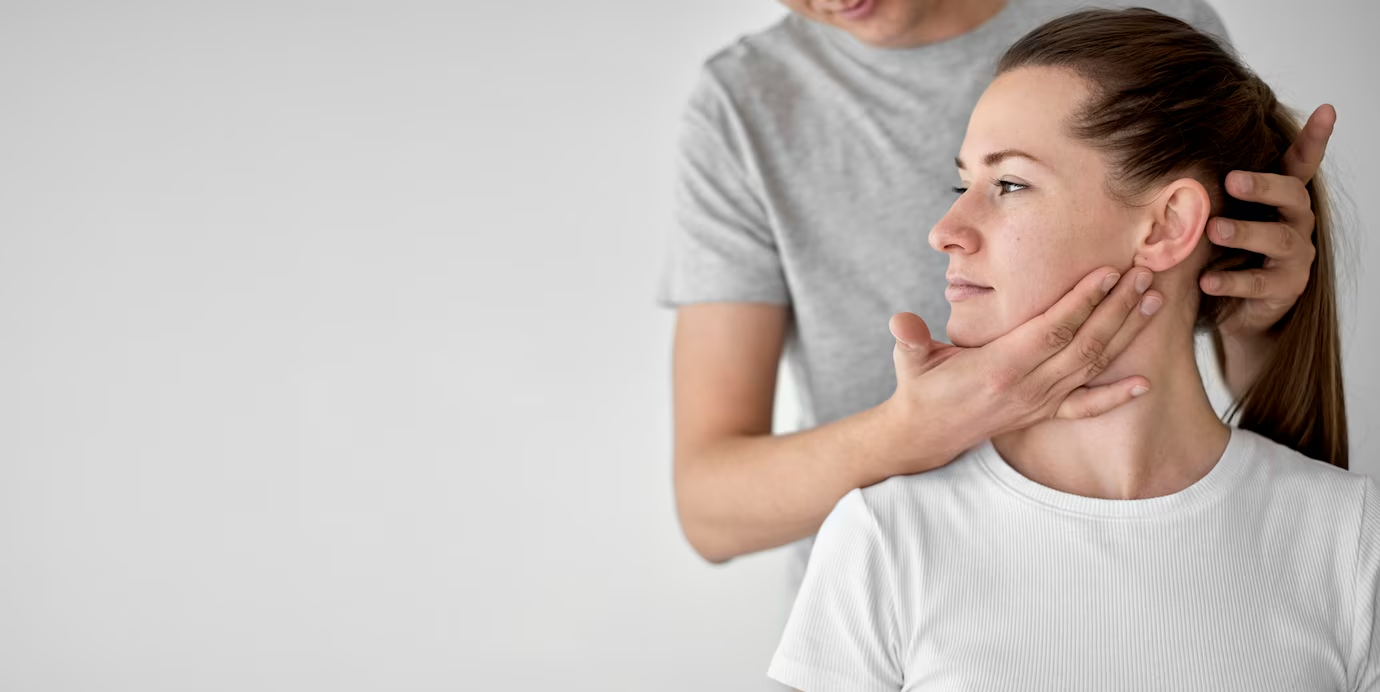
When applied correctly, manual therapy can significantly contribute to symptom relief and functional improvement in cases of cervical disc herniation. Manual therapy is a treatment method that uses hands-on techniques and offers the following benefits for patients with cervical disc herniation:
1. Pain Reduction
Manual therapy helps alleviate pain by reducing muscle spasms, improving joint mobility, and relieving pressure on nerves.
2. Resolving Movement Restrictions
Joint mobilization or manipulation of the cervical vertebrae can address movement restrictions in the neck, enabling patients to perform daily activities more comfortably.
3. Reducing Muscle Tension
Soft tissue techniques and myofascial release methods can decrease muscle tension in the neck and shoulder areas. This improves circulation and supports the healing process.
4. Improving Posture
Manual therapy helps correct imbalances caused by poor posture. Achieving balanced posture, especially in the neck and shoulder areas, reduces the load on the disc.
5. Enhancing Nerve Transmission
Nerve mobilization techniques can relieve pressure in areas where nerves are compressed, reducing symptoms like numbness and tingling.
6. Reducing Stress and Tension
Pain from cervical disc herniation often causes stress and tension in patients. The relaxing effects of manual therapy can provide both physical and psychological relief.
Techniques Used in Manual Therapy
- Joint Mobilization: Improves movement limitations by mobilizing the cervical vertebrae and joints.
- Myofascial Release: Relieves tension in muscles and fascia.
- Traction: Reduces pressure between vertebrae and alleviates nerve compression.
- Nerve Mobilization: Improves the gliding movement of nerves.
Therapy should always be performed by a physiotherapist or a qualified manual therapist.
Manual therapy is an effective method within conservative approaches for treating cervical disc herniation. However, as each patient’s condition is unique, therapy plans should be developed based on individual assessments.
PHYSIOTHERAPIST ERKAN TOPAL