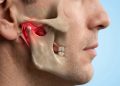
Bruxism refers to excessive jaw muscle activity, commonly known as teeth grinding or clenching, often done unconsciously. It typically occurs during sleep (sleep bruxism), but some individuals may experience it while awake (awake bruxism).
Symptoms:
- Tooth wear, cracking, or fractures
- Pain and stiffness in jaw muscles
- Headaches, especially in the morning
- Ear pain (originating from the jaw joint)
- Tension in facial muscles
- Sleep disturbances
Causes:
The exact cause of bruxism is not fully understood, but it is believed to result from a combination of factors, including:
1. Stress and Anxiety
Daily stressors and psychological tension can trigger bruxism.
2. Sleep Disorders
Conditions like obstructive sleep apnea are associated with bruxism.
3. Emotional States
Anger, irritability, or intense concentration can lead to bruxism.
4. Dental Problems
Malocclusion (bite misalignment) or improperly aligned teeth can strain the jaw muscles.
5. Neurological and Genetic Factors
- Neurological disorders such as Parkinson’s or Huntington’s disease
- Genetic predisposition
6. Lifestyle Factors
- Smoking, alcohol, and caffeine consumption
- Certain medications (e.g., antidepressants) that may increase bruxism as a side effect
Treatment Methods:
1. Dental Interventions
- Use of night guards or mouth protectors
- Restorative treatments to prevent further tooth damage
2. Stress Management
- Meditation, yoga, or therapy to reduce stress
3. Physical Therapy
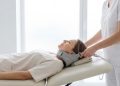
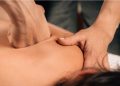
- Exercises or massages to relax jaw muscles
4. Medication
- Muscle relaxants, anti-anxiety medications, or Botox injections
5. Lifestyle Changes
- Reducing caffeine and alcohol intake
- Maintaining a healthy sleep routine
If left untreated, bruxism can cause severe dental damage, jaw joint problems, and a decline in overall quality of life.
PHYSIOTHERAPIST ERKAN TOPAL