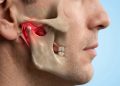
There may be a connection between bruxism (teeth grinding) and tinnitus (ringing in the ears). During bruxism, the excessive activity of jaw muscles can affect the temporomandibular joint (TMJ). Problems in this joint may impact the nerves and blood flow around the ear, potentially leading to tinnitus.
1. Temporomandibular Joint Disorder (TMJ)
Bruxism places excessive pressure on the jaw joint, causing damage or inflammation in the tissues and nerves in the area. Since the jaw joint is located close to the ear, any disorder in this region can result in symptoms like tinnitus.
2. Muscle Tension
The chewing muscles are constantly tense during bruxism, and this tension can spread to the head and neck area. This muscle strain may affect structures around the ear, creating a sensation of ringing.
3. Blood Flow and Nerve Transmission
Excessive pressure on the jaw joint can compress the blood vessels and nerves in the area. This can alter blood flow to the ear, contributing to the perception of tinnitus.
4. Stress as a Common Factor
Both bruxism and tinnitus are often associated with stress and anxiety. Stress can exacerbate bruxism while also intensifying the perception of tinnitus.
Treatment Suggestions
For tinnitus related to bruxism, the following steps may help:
- Use of Night Guards
- A custom-made night guard prescribed by a dentist can prevent teeth grinding and reduce stress on the jaw joint.
- TMJ Treatment
- Physical therapy, jaw exercises, or, if necessary, treatments like Botox may be applied for TMJ disorders.
- Muscle Relaxation Techniques
- Massage, warm compresses, or stretching exercises can help relax the jaw and neck muscles.
- Stress Management
- Techniques like meditation, yoga, or psychotherapy can help address stress, which may trigger both bruxism and tinnitus.
- Tinnitus Management
- Auditory therapies, white noise devices, or specialized treatments aimed at reducing tinnitus perception can be beneficial.
The connection between bruxism and tinnitus varies from person to person. If both conditions are present, a multidisciplinary treatment plan involving a dentist, ENT specialist, and, if necessary, a physical therapist may be required.
PHYSIOTHERAPIST ERKAN TOPAL