Fibromyalgia
Definition:
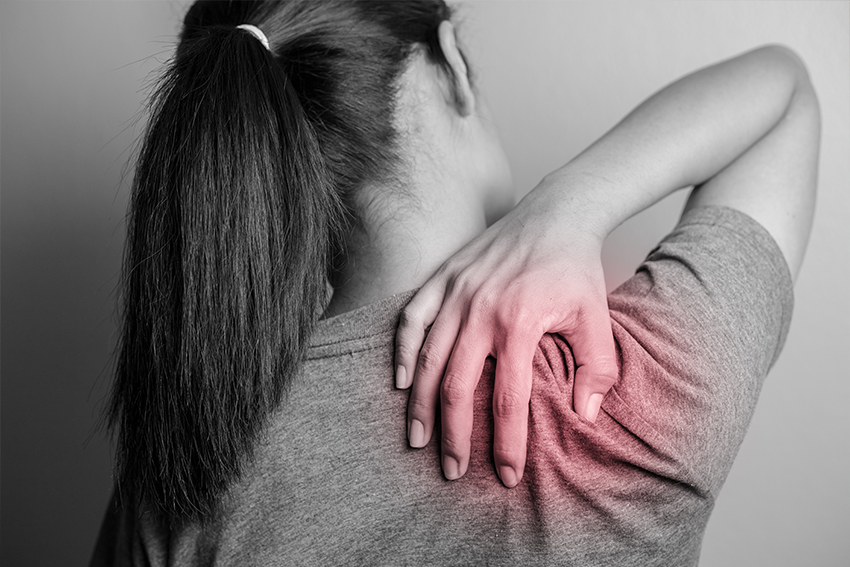
FMS is a common disease characterized by chronic, widespread musculoskeletal pain accompanied by paresthesia, fatigue, sleep disturbance, and symmetrically distributed painful tender points. Chronic widespread pain is the most important presenting cause of fibromyalgia (FM) and was recognized by the American College of Rheumatology (ACR) in 1990.
According to the developed FM classification criteria, in addition to a history of chronic widespread pain, 11 or more tender points in 18 specific anatomical localizations must be found on examination. There are no objective histological findings and laboratory findings specific to FMS. If the cause of the syndrome is not known exactly, it is called primary FMS, and if it occurs due to any disease or trauma, it is called secondary FMS. However, according to ACR-1990 FM criteria, the underlying
The use of the term secondary FM is not recommended because the symptoms of FM do not disappear with the treatment of the disease.
This disease, accompanied by symptoms such as widespread body pain, chronic fatigue, tender points, sleep disturbance, stiffness, and subjective swelling, negatively affects the person’s quality of life as it causes both physical and psychological disorders.
Etiopathogenesis
The etiology and pathophysiological mechanism of FM are not fully known. It is thought that genetic, autoimmune, trauma, infection, emotional state and endocrine factors play a role in its etiology. It has been stated that toxic oil syndrome, physical trauma, chronic sleep disorder, HIV, hepatitis and stress also play a role in the etiology. It has been emphasized that pressure and climate changes also increase symptoms. Since there is no single factor causing FMS, 4 factors have been suggested to explain the etiopathology.
a) Genetic Factors
b) Immunological Mechanisms
c) Peripheral Mechanisms
- Disorder in muscle structure and function
- autonomic dysfunction
d) Central Mechanisms
- Sleeping disorder
- Central sensitization
- Changes in central nervous system biochemistry and functional activity changes
- Neuroendocrine dysfunction
- Psychological disorder, posttraumatic stress and physical trauma
Clinical Symptoms
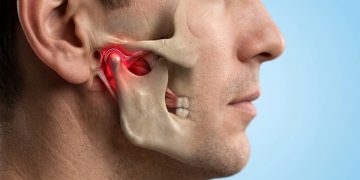
In FMS, both musculoskeletal and non-musculoskeletal symptoms are observed. Symptoms related to the musculoskeletal system; chronic widespread pain, morning stiffness, subjective feeling of swelling in soft tissues, muscle spasm and nodules, temporamandibular joint pain.
Non-musculoskeletal symptoms; fatigue, exhaustion, sleep disturbance, waking up tired in the morning, inability to rest, low level of physical activity, tingling, tremors, excessive sweating, cold intolerance, tension headache, migraine, tinnitus, sicca symptoms, dysmenorrhea, premenstrual syndrome, irritable bowel syndrome, tachycardia , chest pain, dyspnea, anxiety, depression, Raynaud’s phenomenon, restless legs syndrome.
Treatment
Although FMS is better known and diagnosed by physicians, there are some difficulties in treatment (Aslan et al. 2012). As a result of the studies, the most supported treatment protocols are those that treat FMS as a systemic disorder rather than a regional or multifocal muscle disorder. In order to benefit from treatment at high levels, treatment approaches that combine pharmacological and non-pharmacological treatment methods that take into account the patient’s symptom severity, diversity and functional status are required.
First level evidence-based treatment methods in FMS
In FMS, the evaluation and treatment of the patient should be directed towards the patient rather than the disease. and should be done with a multidisciplinary approach. The first step of treatment should be to improve pain and sleep quality. Various complementary medicine methods, especially patient education, aerobic exercises, cognitive behavioral therapy, physical therapy methods, pharmacological treatments and neural therapy, are applied in combination.
Additionally, a balanced diet, staying away from foods that acidify the body, rest, regular exercise and drinking water are among the most effective prevention methods. It is very important to use chiropractic procedures among these treatments. In our experience, it is necessary to relax the muscles in the area of pain before performing manual therapy and chiropractic procedures. Using methods such as cupping, deep tissue massages and graston are very effective. In addition, trigger points and dry needling can be applied to the painful area. It can be supported with massage tools. In patients with fibromyalgia, piriformis, medius hamstring (upper part), gastrocinemius and soleus muscles in the lower extremities are quite painful. In the upper extremity, the muscles around the shoulder, deltoid, inner parts of the clavicle, suboccipital muscles, forearm muscles, extensor muscles and flexor muscles are quite painful. Dry needling and trigger points can be applied to these areas. After the whole body is relaxed with the massage device, regional massages are performed. The sole of the foot is very important. Reflexology points are worked on, but this area is quite painful. Chiropractic procedures can be added at the end of the treatment. Cervical region mobilization should be provided. It is more effective to perform cervical manipulations after these procedures. The cervical region and suboccipital muscles should be palpated to relieve vagal pressure. During palpation, the positions of the atlas, axis and other cervical vertebrae are felt, and those with distorted angles are corrected with the pushing method and pushing manipulation. After using these techniques, if there is still traction by the fascia or by the muscles and ligaments, stretching and loosening procedures should be applied. The patient is asked to focus on stretching exercises as home exercises. Cervical traction is a very effective method. It is very effective in relaxing almost all muscles in the cervical area. After cervical manipulations are completed, lower extremity manipulations should also be performed.
Vagus Nerve and Its Relationship with the Parasympathetic System
Approximately 75 percent of all parasympathetic fibers travel within the vagus nerve, the 10th cranial nerve, and are distributed to all chest and abdominal regions of the body. The vagus nerve sends parasympathetic nerves to the heart, lungs, esophagus, stomach, entire small intestines, proximal half of the colon, liver, gallbladder, pancreas and upper parts of the uterus.
Nervus (n.) vagus, n. glossopharyngeus and n. Together with the accessorius, it leaves the brainstem through the sulcus retroolivaris and the skull base through the foramen jugulare. In the jugular foramen, there is ganglion superius and just below it, ganglion inferius. Ramus meningeus, separated from ganglion superius, receives sensation from the posterior part of the brain membranes, fossa cranii. Also n. The ramus auricularis, the only skin nerve of the vagus, receives sensation from the back of the auricle, the posterior part of the external auditory canal, and the adjacent part of the eardrum.
The brain areas that normally activate the sympathetic nervous system are under the pressure of the prefrontal cortex. In situations such as doubt, fear and anxiety, OSS maximizes vital and adaptive responses according to the worst case scenario. In situations of uncertainty and threat, the prefrontal cortex becomes hypoactive. Anxiety, depression, posttraumatic stress disorder, and schizophrenia are associated with prefrontal hypoactivity. The sympathetic nervous system is necessary to cope with stress, but when the dangerous and life-threatening situation disappears, reducing its activity with the parasympathetic system can be effective in solving the problem.
Effect of parasympathetic stimulation; It is in the form of a decrease in the contraction force and speed of the heart muscle, abundant secretion stimulation in the glands, dilatation in the coronary vessels, constriction in the lung bronchi, increase in intestinal peristalsis and tone, contraction in the bladder detrusor muscle and relaxation in the trigone muscle. The vagus nerve helps our body calm down by releasing acetylcholine (ACh). People with a stronger vagus response are more likely to recover faster after stress, injury, or illness
Prepared by: Ahmet Olgun