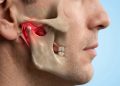

In a study conducted in 1939, the dietary habits, jaw structure, and postural effects on Alaska Eskimos and Native Americans were examined. This research indicated that as local communities’ dietary patterns changed over time, their jaw structures deteriorated, particularly with the shift to a carbohydrate-heavy diet, leading to underdevelopment of the maxilla. As a result, these individuals were found to have narrowed airways and increased respiratory problems. Individuals experiencing respiratory issues began to tilt their heads back (extension) while walking to breathe more easily, which creates an abnormal load on the spine. Consequently, postural disorders can lead to mechanical lockages and pain in the back and neck.
Additionally, the study revealed an observed increase in crime rates. As local communities consumed more refined foods, they exhibited not only deteriorations in jaw structure but also behavioral changes. The deterioration of jaw structure led to poor nutrition, inadequate chewing of food, and consequently, digestive issues. Given the well-known relationship between gut health and brain function, it is accepted that disruptions in gut health can affect brain functions and, therefore, behaviors. Digestive problems can lead to inflammation in the intestines and leaky gut syndrome, which creates imbalances in neurotransmitter production. An increase in cortisol levels can heighten stress and aggression, potentially leading to higher crime rates.
Relationship Between Jaw Structure and Atlas: Crime and Psychological State
Research on individuals who commit crimes shows that these individuals have greater deterioration in their jaw structures compared to others. Misalignments in dental occlusion, jaw closure problems, and temporomandibular joint (TMJ) dysfunctions not only create mechanical issues but also lead to psychological effects. When the chewing function is impaired, the digestive system is negatively affected, which in turn worsens the individual’s overall health condition. Digestive system disorders can increase the body’s stress response and lead to chronic stress situations. It is known that atlas dysfunctions are directly related to jaw structure and that these two structures interact with each other.
The relationship between atlas angle disorders and jaw problems can be explained by the way stress increases tension in the neck region, creating pressure on the vagus nerve. When the vagus nerve is under pressure, the individual may experience excessive activity in the sympathetic system, leading to a constant state of being “stuck on the gas.” Imagine the gas pedal in a car being stuck; individuals under vagus pressure experience a similar ongoing tension and panic. When the pressure on the vagus nerve is relieved, the individual’s sympathetic activity decreases, allowing them to transition to a more parasympathetic, calm, and relaxed state.
You can explore our article titled “The Psychological and Systematic Implications of the Relationship Between Atlas, Vagus Nerve, and Jaw Structure“ which serves as a continuation of this series.

Physiotherapist