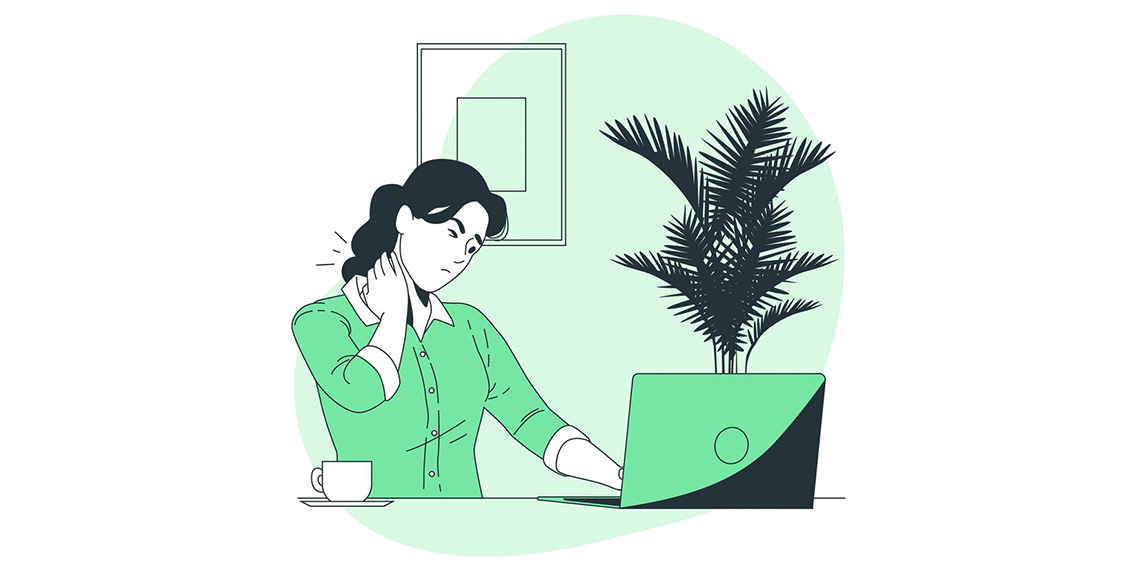
Neck pain is a discomfort or pain sensation originating from the muscles, ligaments, discs, nerves, and spinal structures in the neck region. It is a common issue in daily life and can result from mild muscle strain to serious spinal conditions.
Causes of Neck Pain
Common causes of neck pain include:
-
Muscle Strains: Holding the same posture for a long time, improper sitting at a computer, or excessive phone use (“text neck” syndrome) can strain the muscles.
-
Postural Disorders: Misalignment of the spine, especially in office workers, is frequently observed.
-
Traumas and Injuries: Car accidents (such as “whiplash” injuries), sports injuries, or falls can lead to neck pain.
-
Cervical Disc Herniation: A herniated disc in the neck can cause pain radiating to the neck, shoulders, and arms by compressing the nerve roots.
-
Degenerative Diseases: Conditions like osteoarthritis and cervical spondylosis can lead to joint wear over time, causing pain.
-
Nerve Compression: Herniated discs or bony spurs (osteophytes) pressing on the spinal cord or nerve roots can cause pain and numbness.
-
Stress and Psychological Factors: Stress can keep neck muscles constantly tense, leading to pain.
Symptoms of Neck Pain
Neck pain may be accompanied by the following symptoms:
-
Restricted movement and stiffness in the neck
-
Increased pain in certain head positions
-
Pain radiating to the shoulders, arms, or head
-
Headaches and dizziness
-
Muscle spasms and tension
-
Numbness, tingling, or weakness (if nerve compression is present)
Manual Therapy Techniques and Their Effects
Manual therapy involves specialized hands-on techniques performed by physiotherapists. The following manual therapy methods can be effective for neck pain:
-
Mobilization Techniques:
-
Controlled and gentle movements are applied to the cervical spine to improve joint mobility.
-
Enhances blood circulation in the spine and surrounding tissues, reducing pain.
-
-
Manipulation Techniques (Chiropractic Applications):
-
Quick and precise movements help increase joint mobility.
-
May relieve muscle spasms and nerve compression.
-
-
Soft Tissue Techniques (Myofascial Therapy, Trigger Point Treatment):
-
Reduces tension in the neck and shoulder muscles.
-
Releases trigger points (muscle knots) to relieve pain.
-
-
Dry Needling:
-
Used to relax muscle spasms and trigger points.
-
Helps regulate nerve signaling to reduce pain.
-
-
Stretching and Postural Correction Techniques:
-
Increases flexibility by stretching neck muscles.
-
Corrects postural imbalances, preventing recurring pain.
-
-
Nerve Mobilization (Neurodynamic Techniques):
-
Helps reduce nerve compression or irritation.
-
Manual therapy can effectively reduce pain, relax muscles, improve nerve function, and increase range of motion depending on the underlying cause of neck pain. However, a proper diagnosis and treatment plan should always be determined by a physiotherapist or specialist doctor.