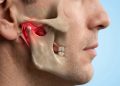
Muscle rheumatism, commonly associated with terms like fibromyalgia and myofascial pain syndrome in medical literature, is a condition characterized by chronic pain, stiffness, and fatigue in muscle tissue.
Today, physiotherapy, manual therapy, and chiropractic approaches play a significant role in managing muscle rheumatism. In this article, we will explore the underlying mechanisms of muscle rheumatism and how these methods can be effective in its treatment.
What Is Muscle Rheumatism?
Muscle rheumatism is a widespread condition that causes pain, tenderness, and functional loss in muscles, connective tissues, and surrounding soft tissues. Common symptoms include:
- Generalized muscle pain
- Morning stiffness and restricted movement
- Fatigue and weakness
- Tender points (trigger points) in muscles
- Sleep disturbances
- Headaches and difficulty concentrating
These symptoms can be influenced by factors such as stress, poor posture, trauma, or overuse of muscles.
The Role of Physiotherapy in Muscle Rheumatism
Physiotherapy aims to improve mobility, reduce pain, and enhance muscle function in individuals with muscle rheumatism. Some of the key techniques used include:
1️⃣ Exercise Therapy
Regular exercise helps improve muscle flexibility and strength, reducing pain. Stretching exercises, low-intensity aerobic workouts, and balance training can enhance muscle function.
2️⃣ Myofascial Release Techniques
Manual pressure applications, muscle energy techniques, and foam roller exercises can help relieve common trigger points associated with muscle rheumatism.
3️⃣ Heat and Cold Applications
Heat therapy promotes muscle relaxation, while cold applications reduce inflammation and pain. Heated packs or warm water compresses can aid muscle function.
The Role of Manual Therapy in Muscle Rheumatism
Manual therapy consists of specialized techniques designed to improve muscle and joint mobility. The following methods can be effective in managing muscle rheumatism:
1️⃣ Soft Tissue Mobilization
This technique helps reduce fascial tension, improve blood circulation, and support healthier muscle function.
2️⃣ Joint Mobilization
Muscle rheumatism is often accompanied by joint movement restrictions. Gentle joint mobilization techniques help restore range of motion, allowing muscles to function more efficiently.
3️⃣ Functional Techniques
Personalized functional exercises and movement pattern corrections are recommended to help individuals perform daily activities with greater ease.
Chiropractic Approaches and Muscle Rheumatism
Chiropractic care involves manual techniques aimed at optimizing spinal and joint alignment. It may be beneficial in managing muscle rheumatism through the following mechanisms:
- Enhancing nervous system function by correcting spinal alignment.
- Reducing muscle tension to promote musculoskeletal balance.
- Improving posture to minimize excessive strain on muscles.
Chiropractic adjustments, particularly in the cervical and thoracic regions, may help alleviate muscle pain.
Conclusion
Although muscle rheumatism is a chronic condition, physiotherapy, manual therapy, and chiropractic approaches can be effective in managing its symptoms. Techniques such as exercise, soft tissue mobilization, and posture corrections support healthier muscle function. With a personalized approach, these methods can help individuals with muscle rheumatism improve their quality of life.
References
🔗 NCBI Article
🔗 PubMed Study
🔗 ScienceDirect Research
🔗 LWW Journal