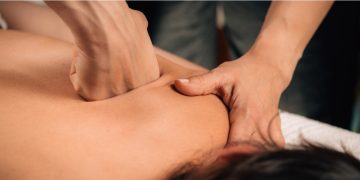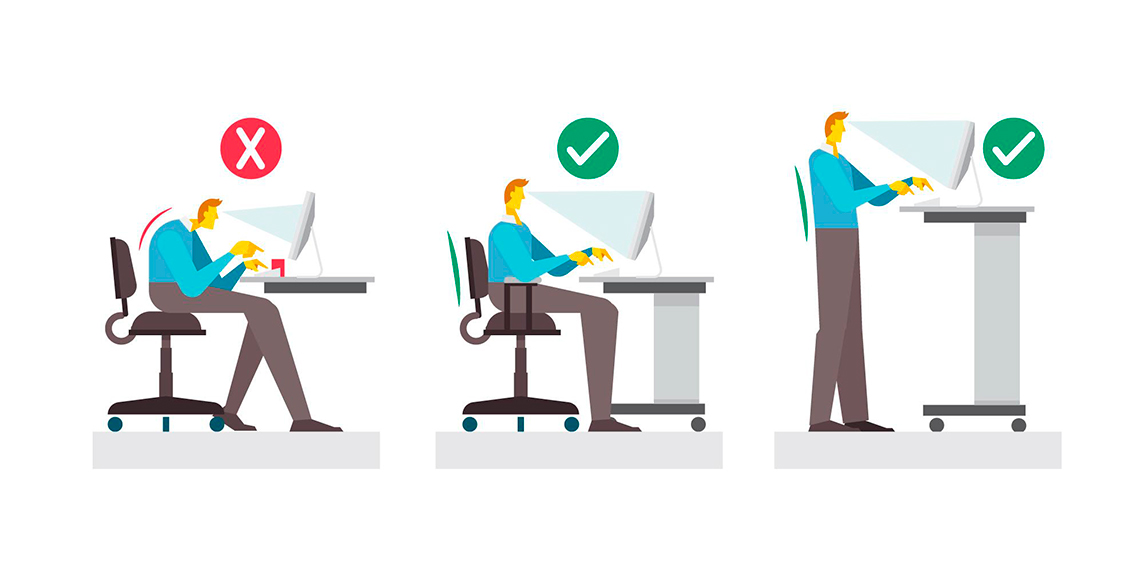
After chiropractic or manual therapy, you feel significant relief in your body. However, if you don’t adopt the right habits afterward, the alignment may quickly deteriorate and your complaints may return. In this article, we explain posture awareness, tongue placement on the palate, avoiding unilateral chewing, and other daily points to pay attention to, all in light of scientific evidence.
1. First 48 Hours: Adaptation Period
The first two days after therapy are the period when your body is adjusting to the new alignment. During this time:
-
Stay active: Short walks or gentle mobilizations increase circulation and help maintain the new joint positions.
-
Avoid sudden and heavy loads: Limit movements that put excessive strain on the neck or lower back (heavy lifting, sudden jumps).
-
Follow given recommendations: If your therapist provided specific advice at the end of the session, make sure to follow it.
Scientific guidelines recommend staying active and adhering to post-session advice to enhance the effectiveness of spinal manipulation.
2. Posture Awareness: All-Day Postural Control
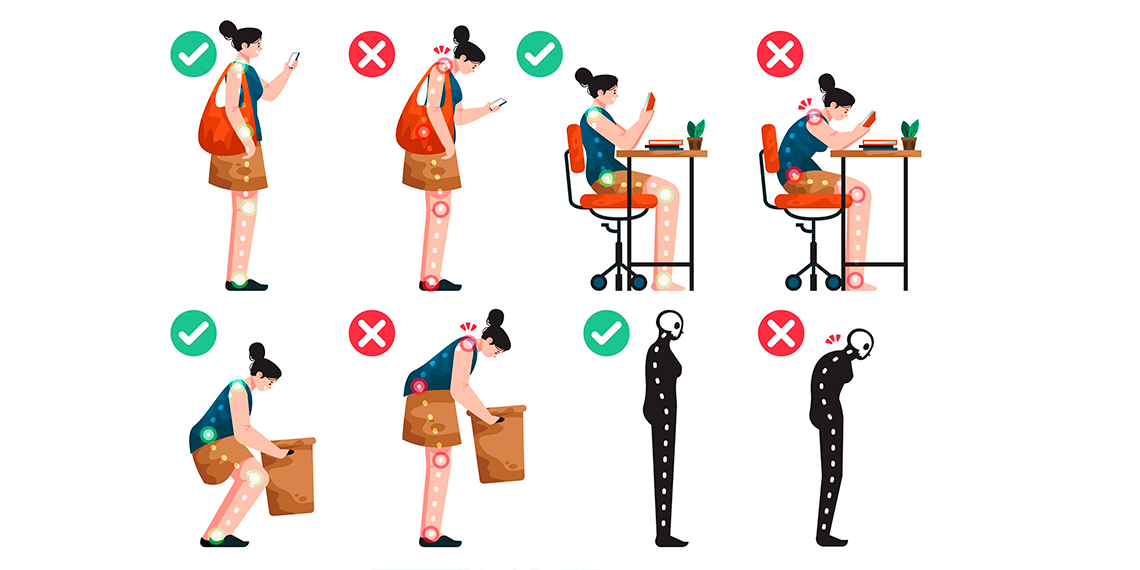
The most important way to maintain spinal alignment is correct posture.
-
Phone use: Raise your phone to eye level, avoid leaning forward for long periods. Take short breaks every 30–40 minutes.
-
Desk work: Your chair should support your back, and your shoulders should remain relaxed. The top of the screen should be at eye level.
-
Awareness at home and work: You can use posture reminder apps or ergonomic supports (e.g., phone holder, laptop stand).
Research shows that increasing the angle of forward head posture during phone and computer use raises the risk of neck pain. Even simple adjustments can significantly reduce this load.
3. Breathing and Tongue Position: A Small Detail, A Big Impact
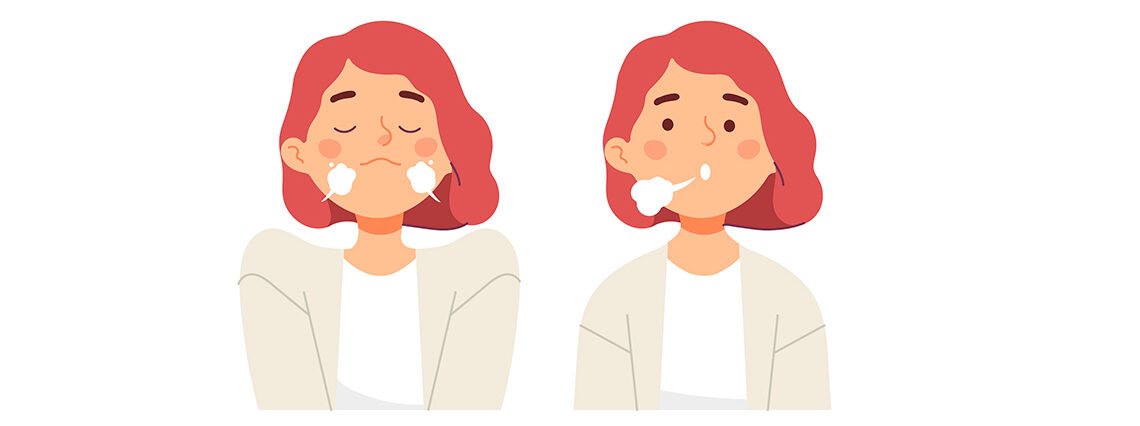
Mouth breathing in daily life can negatively affect head and neck posture.
-
Tongue on the palate: The tip of your tongue should rest on the front part of your palate, just behind the teeth. This position contributes to balanced function of jaw and neck muscles.
-
Nasal breathing: Prefer nasal breathing both day and night. If you have allergies or nasal congestion, consult your doctor.
Studies suggest that mouth breathing may be associated with forward head posture and spinal loading. Nasal breathing supports more efficient function of posture and respiratory muscles.
4. Avoid Unilateral Chewing
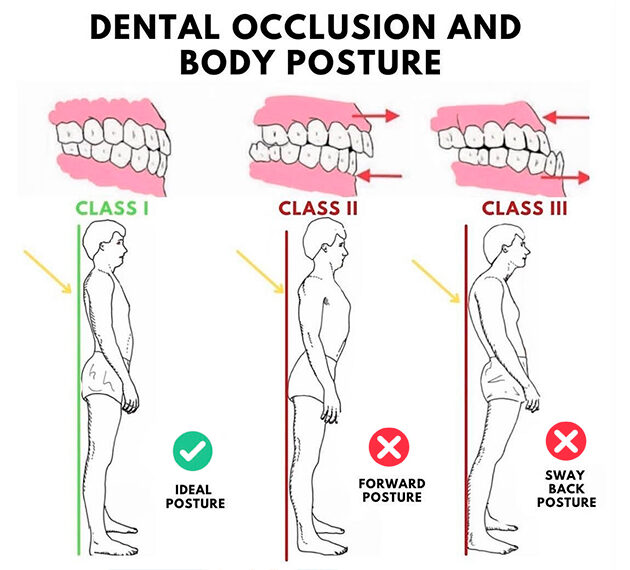
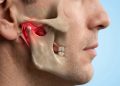
Unilateral chewing can lead to uneven loads on the jaw joint and facial muscles.
-
Bilateral chewing: Distribute gum or food evenly between both sides when chewing.
-
Dental check-ups: If you have missing teeth or conditions that make chewing difficult, consult your dentist.
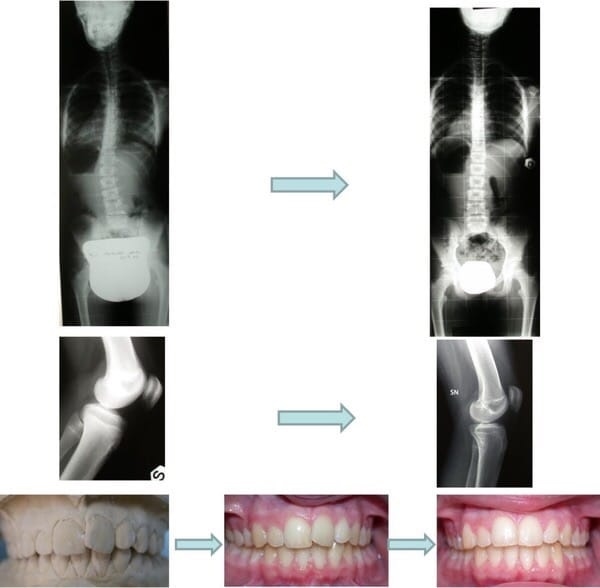
Research shows that unilateral chewing increases the load on the temporomandibular joint and may contribute to facial asymmetry.
5. Sleep Position and Pillow Selection
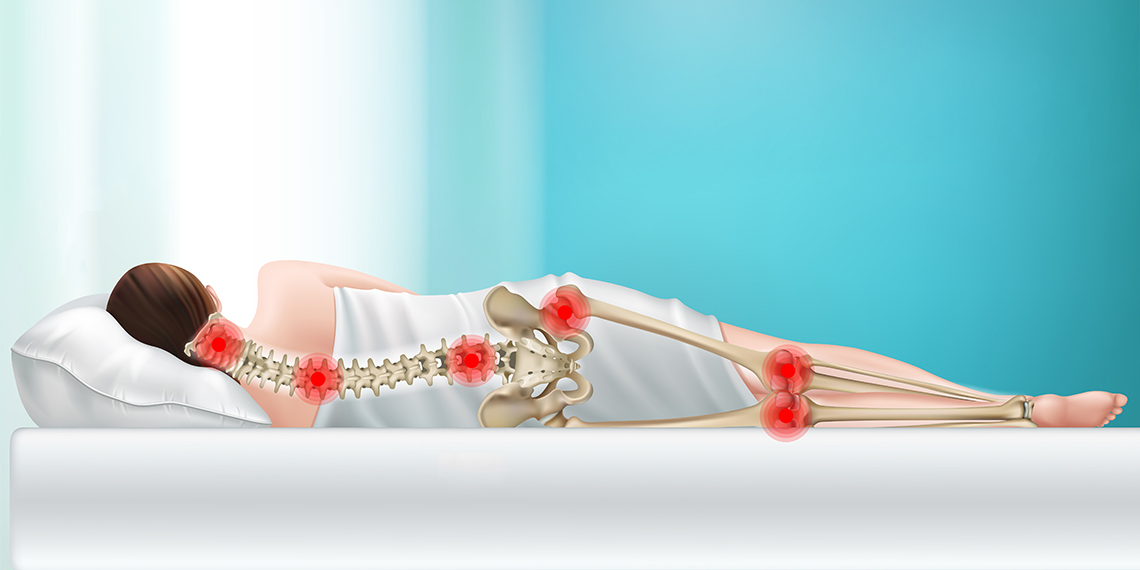
Sleeping in the right position throughout the night supports the therapy’s effectiveness.
-
Side or back sleeping: These positions are the most balanced for the neck and spine.
-
Pillow height: Choose a pillow that keeps your neck aligned with your torso. A pillow that’s too high or too low may overload the neck.
-
Prone position: Not recommended, as the neck remains rotated throughout the night.
6. Daily Loads and Carrying
-
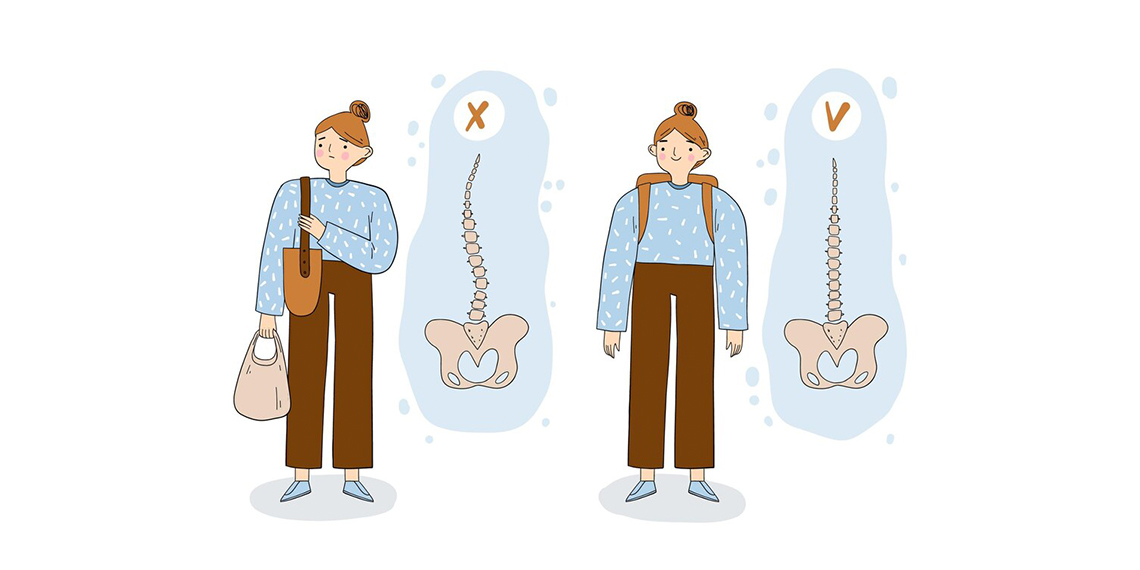
Bag use: Do not always carry a shoulder bag on the same side; distribute the load evenly or choose a backpack.
-
Repetitive movements: If you perform the same movement repeatedly during the day (e.g., working long hours turned to one side), switch sides from time to time.
7. When to Seek Professional Advice?
If you experience new-onset numbness, tingling, weakness, night pain, or sudden pain after trauma, consult your therapist or physician immediately.
Conclusion
Maintaining the results after chiropractic or manual therapy is in your hands. Correct posture, regular movement, awareness of breathing and jaw habits help your body remain balanced. These simple precautions can prevent pain recurrence in the long term and improve your quality of life.
References
-
Gevers-Montoro C, et al. Chiropractic & Manual Therapies, 2021.
-
Lee IG, et al. Postgraduate Medical Journal, 2025.
-
Saba ES, et al. Systematic Review of Orofacial Myofunctional Therapy, 2024.
-
Ren Y, et al. J Manipulative Physiol Ther, 2016.
-
Prakash N, et al. Cureus, 2023.