
Frozen shoulder is a condition characterized by the thickening and stiffening of the shoulder joint capsule, along with restrictions in the surrounding connective tissues. This condition leads to a significant reduction in shoulder range of motion and severe pain. Frozen shoulder typically develops gradually and may last for 1-3 years.
Symptoms
- Pain
- Gradually onset, deep, and persistent pain felt in the shoulder area.
- May worsen during rest, especially at night.
- Pain often becomes more severe with shoulder movement.
- Restricted Movement
- Noticeable reduction in both active (self-initiated) and passive (assisted) movements.
- Particularly challenging to lift the arm overhead, open it sideways, or reach behind.
- Decreased Muscle Strength
- Muscle weakness may develop due to the inability to perform shoulder movements.
- Shoulder Stiffness
- A feeling of stiffness in the shoulder joint can make daily activities (e.g., combing hair, dressing) difficult.
Exercises
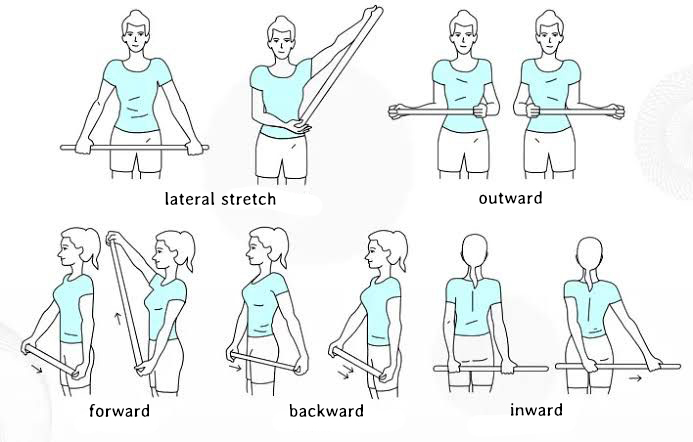
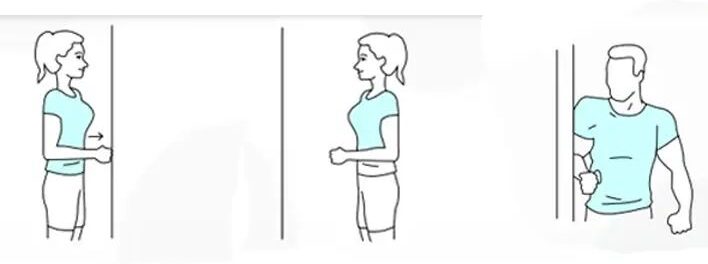
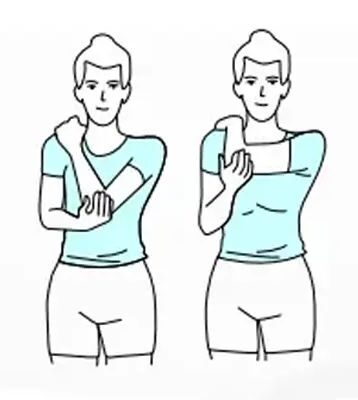
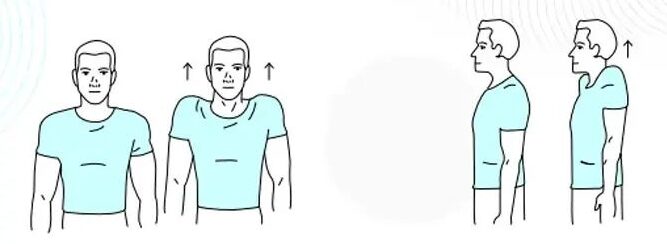
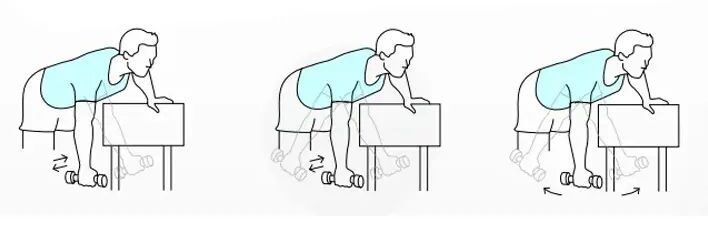
Frozen shoulder goes through the following stages:
- Painful Stage: Pain increases in the shoulder, and movement restriction begins. The pain is usually more pronounced at night.
- Freezing Stage: Shoulder movements are severely restricted, but pain may decrease.
- Thawing Stage: Range of motion gradually returns.
Role of Physiotherapy: Physiotherapy plays a key role in managing frozen shoulder and helps improve quality of life.
It contributes in the following ways:
• Pain inhibition
• Increasing range of motion
• Functional recovery
• Posture training
The physiotherapist actively participates in managing the process by providing recommendations for exercises that can be done at home and suggesting ways to improve daily activities based on the condition.