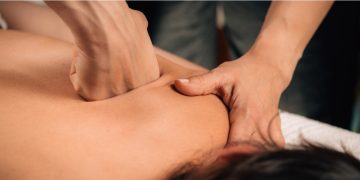
Manual therapy is a unique treatment approach where the art of healing through human touch converges with modern science. Hands-on therapeutic methods, which have been practiced across various cultures for centuries, have now been reinterpreted within the framework of evidence-based medicine and have become a cornerstone of physiotherapy. Commonly used in musculoskeletal disorders, this method not only relieves pain but also enhances body awareness, improves mobility, and supports functional recovery.
What Is Manual Therapy?
Manual therapy is a treatment approach involving various mobilization, manipulation, and soft tissue techniques applied by the therapist’s hands. Its main goals are to increase joint mobility, reduce muscle tension, and send positive stimuli to the nervous system to alleviate pain. This therapy can be effective in conditions such as low back and neck pain, shoulder issues, sports injuries, and myofascial pain syndromes.
How Does It Work?
The effects of manual therapy occur on both physical and neurophysiological levels. Mechanical effects include directly increasing joint range of motion and improving the elasticity of muscles and fascial tissues. On a neurophysiological level, the body activates centers that control pain, triggering a natural relaxation response. This leads not only to physical improvement but also to mental relaxation.
Modern research shows that manual therapy is effective in the short term for both acute and chronic musculoskeletal problems. Especially for spine-related pain, manual therapy is a safe and effective option for reducing pain, improving function, and enhancing patients’ quality of life. However, to achieve long-term effectiveness, manual therapy is often combined with personalized exercise programs.
A Unique Art with Healing Hands
Manual therapy is not just a technical application; it is also an art shaped by the therapist’s experience, tactile sensitivity, and clinical intuition. Since each individual’s tissue structure, pain threshold, and movement capacity are different, manual therapy must be tailored to the individual. A successful manual therapy process depends on accurate assessment, appropriate technique selection, and a trust-based relationship between therapist and patient.
In Conclusion
Manual therapy is not merely a collection of techniques that address musculoskeletal issues, but a holistic approach that respects the body’s natural healing power. Rooted in science and focused on improving quality of life, this method is the union of movement, touch, and understanding.