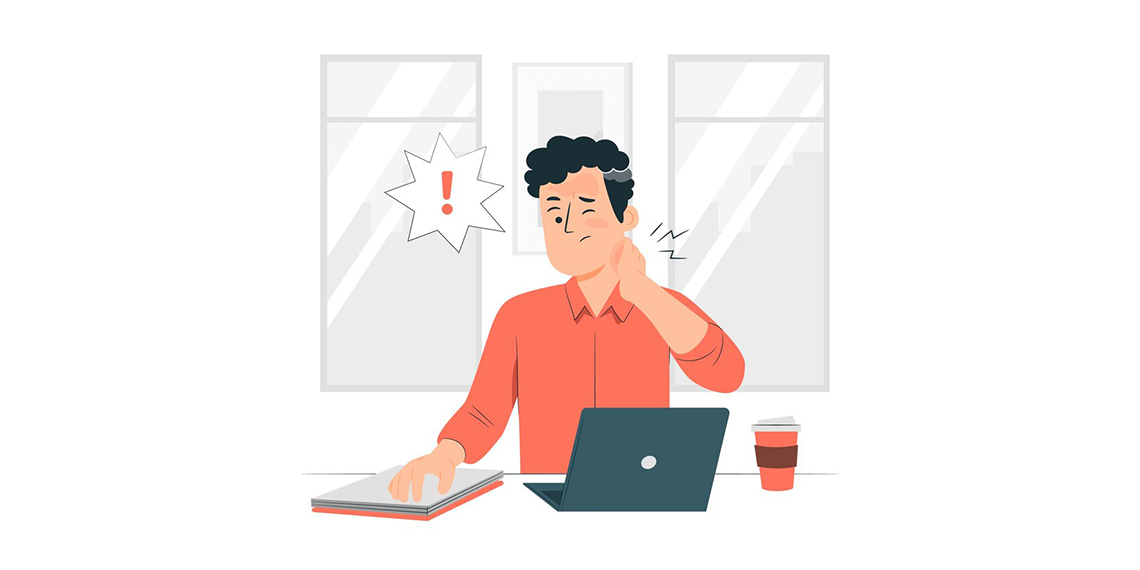
Cervical spondylosis is becoming increasingly common due to modern lifestyle habits. It is especially prevalent among people who spend long hours at a desk, lead sedentary lives, or have developed poor posture over the years. In these individuals, structural and functional changes in the cervical spine become inevitable.
This condition, known as cervical spondylosis, is not merely a “sign of aging”; on the contrary, when detected early and managed with appropriate methods, it is a condition that can be brought under control and even improved.
What is Cervical Spondylosis?
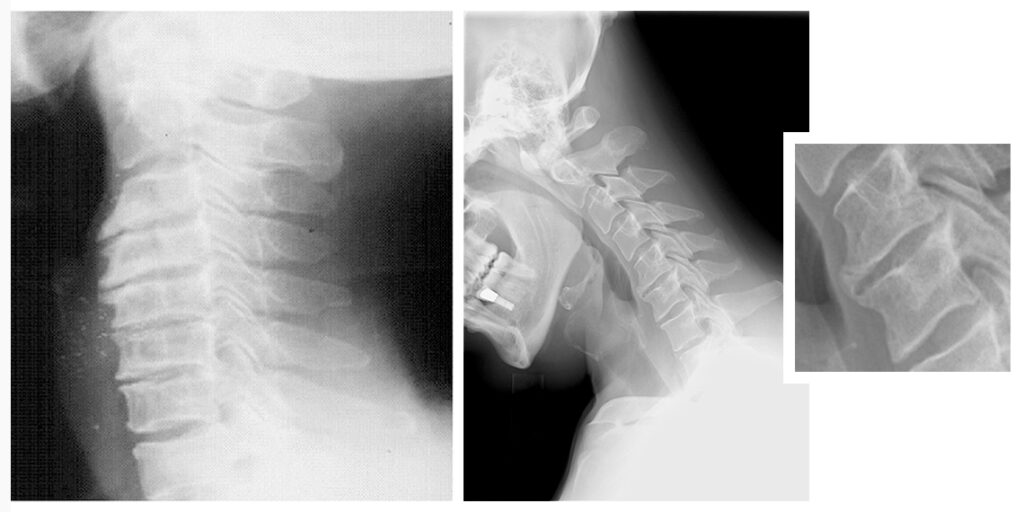
The cervical spine is a complex structure supported by discs, ligaments, muscles, and nerves. Over time, these structures may lose elasticity, the discs may flatten, and joint surfaces may deteriorate. When these changes occur together, the condition commonly referred to as “osteoarthritis” develops.
From a physiotherapy perspective, this is not just structural wear and tear; it also involves impaired muscle-nerve coordination, reduced movement quality, and the body restricting itself through protective reflexes.
What Are the Symptoms?
Neck osteoarthritis often progresses silently. Early signs a person might notice include:
-
Difficulty moving the neck in the morning
-
Neck pain after staying in the same position for long periods
-
Limited range of motion when turning the head backward
-
Stiffness in the neck when getting up from the pillow
-
Occasional numbness radiating to the arms
In advanced cases, compression of nerve roots or spinal cord involvement can lead to neurological symptoms such as weakness in the arms, loss of balance, or reduced fine motor skills.
What Causes It?
The neck is one of the most mobile and delicate parts of the spine. Even minor imbalances over time can disrupt load distribution, paving the way for osteoarthritis. The most common causes include:
-
Forward head posture and slouched sitting
-
Weakness and inactivity in neck muscles
-
Poor neuromuscular control (especially of deep neck flexors)
-
Repetitive microtraumas (e.g., prolonged desk work)
-
Non-ergonomic pillows and poor sleeping positions
Most of these factors are the result of small but consistently repeated mistakes in daily life.
Physiotherapy and Manual Therapy Approach
The goal in treating cervical spondylosis is not only to suppress pain but also to restore movement quality and muscle control. One of the most effective approaches in this process is physiotherapy combined with manual therapy.
1. Manual Therapy
Manual therapy involves hands-on techniques applied by a physiotherapist. Common techniques used in cervical spondylosis include:
-
Mobilization: Rhythmic movements applied to reduce joint stiffness
-
Soft tissue techniques: Release muscle spasms and improve circulation
-
Traction: Increases the space between vertebrae to reduce nerve compression
-
Neuromobilization: Enhances the relationship between nerves and surrounding tissues
These methods help relieve pain and restore range of motion.
2. Exercise Program
Exercise is essential for restructuring the cervical region. The aim is not only to strengthen muscles but also to improve neuromuscular coordination and posture awareness.
Key Benefits Targeted:
-
Activation of deep neck flexors
-
Ensuring scapular (shoulder blade) stability
-
Improving neck proprioception
-
Maintaining range of motion
Examples of Exercises:
-
Chin tuck: For postural alignment and activation of deep muscles
-
Isometric resistance exercises: Safely strengthen neck muscles
-
Scapular retractions: Enhance shoulder girdle support
-
Positioning with stability ball: Develops neck reflexes
Exercises must be tailored to the individual’s needs and guided by a physiotherapist.
Posture Training and Everyday Precautions
Changing postural habits outside the clinic is critical to treatment success. Otherwise, old habits will continuously undermine progress.
Tips for Daily Life:
-
Computer screens should be at eye level
-
Use a headset while talking on the phone
-
Avoid non-ergonomic chairs
-
Check pillow height and softness
-
Protect the neck area in cold weather
Postural awareness training and mirror-based control exercises can be highly effective in this process.
Neck osteoarthritis is not simply an unavoidable result of aging. On the contrary, when muscles are activated correctly, postural awareness is improved, and neuromuscular coordination is supported, this condition can be effectively managed.
A well-structured manual therapy and exercise program not only reduces pain but also enables individuals to return to an active, pain-free, and high-quality life.