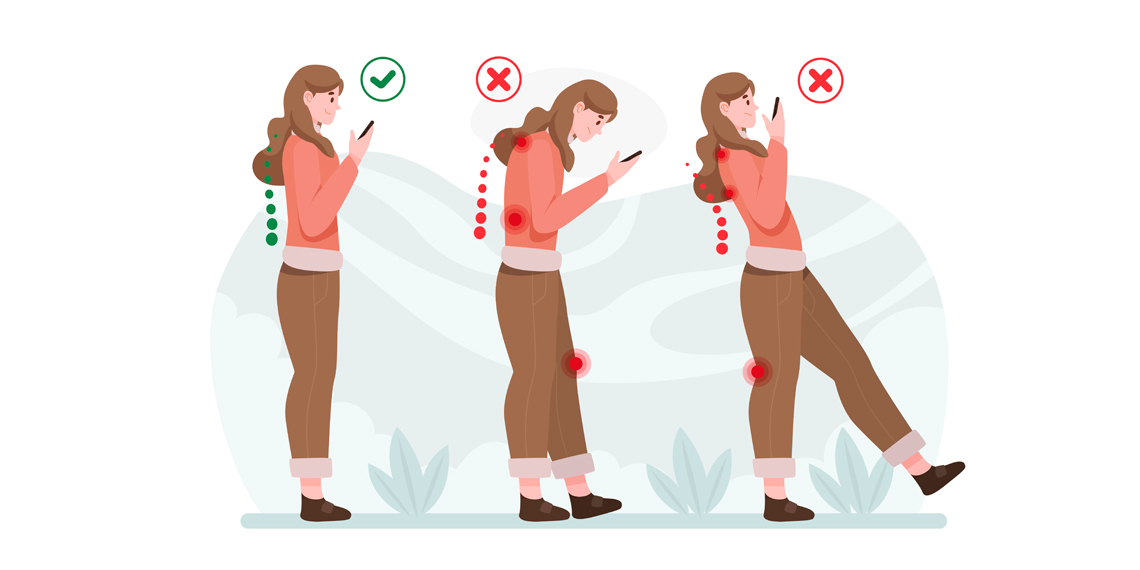
Cervical hernia has become increasingly common across all age groups due to growing sedentary lifestyles, prolonged phone use, and desk-based work. Also known as a cervical disc herniation, it occurs when the disc structure between the vertebrae bulges outward and compresses nearby nerves. This can manifest as neck, back, arm pain, or even numbness and weakness extending to the fingertips.
So, what should be taken into consideration before a cervical hernia develops?
Here are some important points that can help protect your neck health in the long run:
1. Develop Proper Posture Habits
Alignment of the cervical vertebrae is one of the cornerstones of spinal health. Working for long periods with the head bent forward or in downward-facing positions (e.g., phone use, reading) strains the neck muscles and puts pressure on the discs. When working at a computer, the screen should be at eye level, and your chair should provide proper lumbar and neck support.
2. Be Mindful of Head Position While Using a Phone
One of the most common modern issues is “text neck.” The more your head tilts forward, the more load is placed on your neck. For example, tilting your head forward 45 degrees can increase the weight your neck bears to around 20 kg. Holding the phone at eye level and taking regular neck breaks helps reduce this load.
3. Keep Your Muscles Strong and Flexible
The stronger and more balanced the muscles around the neck, the less pressure is placed on the spine. Exercises that support the shoulder blade area, upper back, and trapezius muscles are particularly effective in reducing cervical hernia risk. Short stretching sessions throughout the day also help reduce muscle spasms and improve circulation.
4. Review Your Sleeping Position
The height and firmness of your pillow, as well as your sleeping position, determine the pressure placed on your neck during sleep. Avoid pillows that are too high or too low; your head and neck should be supported in a straight alignment. Orthopedic pillows that fill the neck gap are ideal for side sleepers. For back sleepers, pillows that don’t elevate the head too much are recommended.
5. Reduce Stress and Tension
The neck muscles are among the first to tense up under stress. Prolonged muscle tension can increase pressure on the discs, potentially triggering herniation. Short relaxation exercises, regular breathing techniques, or body awareness practices like yoga can be beneficial in this regard.
6. Don’t Ignore Pain
Pain that starts in the neck and radiates down the arm, numbness in the hands, tingling in the fingers, or muscle weakness should not be ignored. These may be signs of a cervical hernia or nerve compression. Early consultation with a physiotherapist or medical specialist can prevent progression.
7. Consider Manual Therapy Applications
Minor misalignments in the cervical vertebrae or tension originating from the musculoskeletal system can gradually lead to disc pressure. Manual therapy and spinal mobilizations are effective methods for relieving such tissue tension and restoring muscle balance. When needed, misalignments in the neck area can be corrected with controlled techniques.
Cervical hernia often results from the long-term effects of small daily habits. Therefore, simple but effective steps that you can integrate into your daily routine can make a significant difference in maintaining neck health.