Long hours at the computer, lack of movement, poor sitting habits… Back and lower back pain—now a natural part of office life—is often dismissed as harmless muscle fatigue. But the real cause may lie much deeper: the atlas (C1) vertebra, the topmost part of the spine.
Symptoms Stretch from the Groin to the Neck
Most patients complain of waking up tired, feeling stiffness around the shoulders after a few hours at the desk, or experiencing a dull ache spreading toward the lower back by the end of the day. Sometimes these symptoms are accompanied by numbness extending into the legs. While these signs may initially point to musculoskeletal issues, many physiotherapists and manual therapy experts highlight a frequently overlooked detail: the atlas vertebra, which plays a key role in maintaining balance between the head and spine.
Why Is the Atlas (C1) Vertebra So Important?
The atlas, the top vertebra of the spine, supports the head and serves as the starting point for the entire spinal structure. Due to birth trauma, falls, car accidents, or years of poor posture, the atlas can subtly shift out of place. Even a slight misalignment may trigger a chain reaction between the central nervous system and the musculoskeletal system.
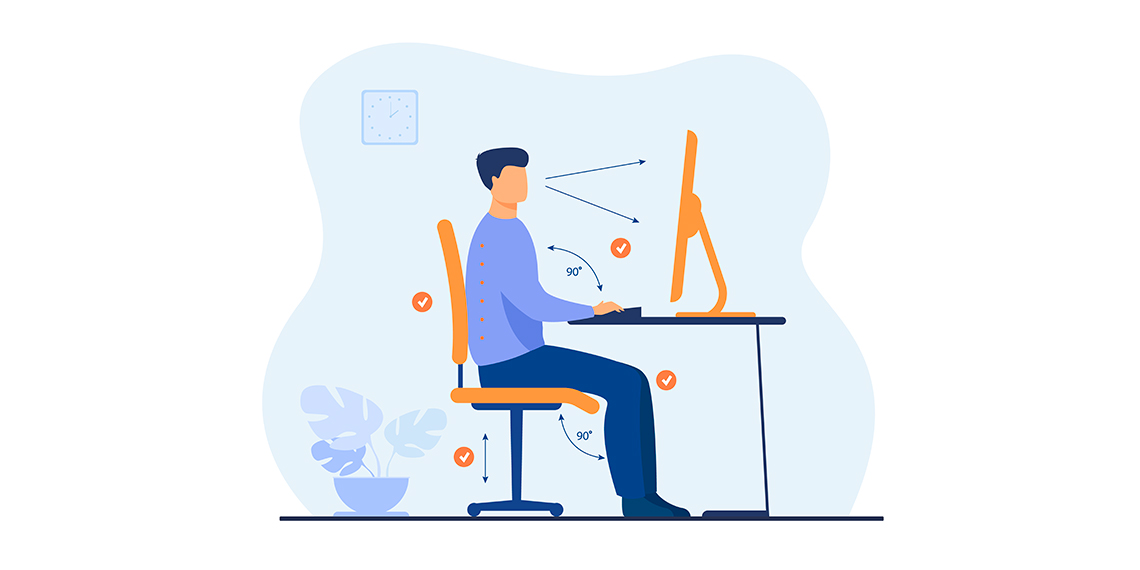
This is particularly common in individuals who work long hours at desks. When the head tilts forward, the spine’s natural weight distribution is disrupted. A misaligned atlas causes the rest of the spine to compensate, often leading to chronic lower back and upper back pain, muscle spasms, and balance issues.
Why Conventional Approaches Often Fall Short
Most office workers seek relief through ergonomic chairs, orthopedic pillows, or exercise routines. While these tools can be helpful, if the foundational structure of the spine—the atlas—is out of alignment, such solutions may only offer temporary symptom relief.
Modern manual therapy emphasizes treating the root cause of the pain rather than just the site of discomfort. In this approach, correcting alignment at the atlas level can positively affect the entire spinal column—from the head and neck all the way down to the lower back.
Clinical Evidence Supporting the Atlas–Lower Back Pain Connection
Recent neuromuscular balance studies show that realigning the atlas vertebra leads to significant reduction in lower back pain. This suggests not only a structural correction, but also a recalibration of how information is transmitted through the central nervous system.
Interestingly, many patients who initially seek help for lower back pain report that improvements begin in the neck area after treatment—indicating that the source of the problem isn’t always where the pain is felt.
Atlas-Level Intervention: Not an Alternative, but a Complementary Approach
Manual therapy targeting the atlas isn’t about treating a disease or diagnosis; it’s about restoring structural and neurological balance. These therapies don’t oppose conventional medicine—they complement it and often enhance its effectiveness.
Realigning the atlas vertebra can help correct postural imbalances, redistribute spinal load, and improve body proprioception—offering lasting relief from chronic back pain caused by sedentary office life.
📝 Remember: Every vertebra is a link in a chain. But if the first link—the atlas—shifts, the entire structure can lose its balance.