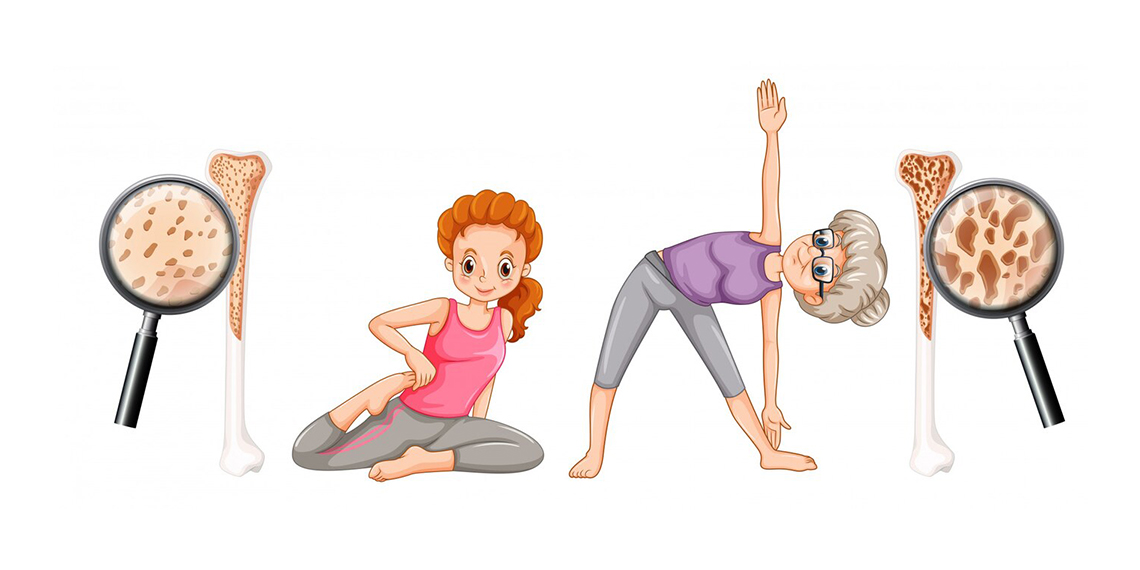
Osteoporosis is a systemic skeletal disease characterized by a decrease in bone mineral density, making bones fragile and more susceptible to fractures. The term, derived from Latin, means “porous bone.” In individuals with osteoporosis, bones weaken at a microscopic level and lose their structural integrity, increasing the risk of spontaneous fractures, particularly in the spine, hips, and wrists.
One of the most concerning aspects of osteoporosis is its silent progression, often going unnoticed until a fracture occurs. The World Health Organization (WHO) defines osteoporosis as a bone mineral density (BMD) that is 2.5 standard deviations below the average for young adults (T-score ≤ -2.5).
Causes and Risk Factors of Osteoporosis
Both genetic and environmental factors contribute to osteoporosis, including:
-
Aging: The risk increases significantly after age 50.
-
Hormonal Changes: Especially the decline in estrogen levels after menopause.
-
Calcium and Vitamin D Deficiency: Essential for bone strength.
-
Sedentary Lifestyle: Lack of weight-bearing activity weakens bones.
-
Smoking and Alcohol Consumption: Negatively impact bone density.
-
Long-term Use of Certain Medications: Such as corticosteroids.
-
Low Body Mass Index (BMI): Increases vulnerability to bone loss.
Early diagnosis through risk assessment and bone density scans (DEXA tests) is crucial for osteoporosis management.
Supportive Treatments and Management Approaches
The primary goals of osteoporosis treatment are to slow bone loss, reduce fracture risk, and improve functional capacity. Alongside medications, lifestyle changes and supportive therapies play a crucial role.
1. Pharmacological Treatments
-
Bisphosphonates (Alendronate, Risedronate): Reduce bone resorption.
-
Selective Estrogen Receptor Modulators (SERM): Help maintain bone density.
-
Parathyroid Hormone Analogues: Stimulate bone formation.
-
Monoclonal Antibodies (Denosumab): Inhibit bone breakdown.
These medications should always be taken under medical supervision with regular follow-ups.
2. Exercise and Postural Training
Weight-bearing exercises such as resistance training and walking enhance bone strength, improve balance, and reduce the risk of falls. Additionally, postural awareness exercises help maintain spinal health and alignment.
3. Manual Therapy
Manual therapy is a non-invasive physical treatment approach focused on the musculoskeletal system. In osteoporosis patients, it can:
-
Reduce muscle tension and spasms.
-
Improve posture and distribute spinal load more evenly.
-
Alleviate pain and enhance mobility.
Since osteoporotic bones are prone to fractures, manual therapy should be administered with caution by experienced professionals using soft tissue-focused techniques after a thorough risk assessment.
4. Atlas Alignment Therapy
The Atlas (C1), the first cervical vertebra, plays a crucial role in spinal mechanics, posture, and muscle tone. Misalignment in this area can contribute to balance issues, poor posture, and an increased risk of falls. Specialized non-invasive Atlas alignment techniques, performed with precise instruments rather than manual manipulation, can serve as a supportive intervention for osteoporosis-related postural and balance challenges.
5. Nutrition and Supplementation
-
Calcium: 1000–1200 mg/day
-
Vitamin D: 800–1000 IU/day
-
Magnesium, Vitamin K2, and Protein balance
Proper nutrition supports both bone health and overall metabolic balance.
Conclusion: A Holistic Approach to Bone Health
Osteoporosis is more than just a “bone disease”; it is a systemic condition requiring a multidisciplinary treatment approach. A combination of medical interventions, physical therapy, and lifestyle modifications can significantly enhance both bone health and overall quality of life. When applied with caution, manual therapy and Atlas alignment techniques can be valuable components of this comprehensive care plan.
Remember: Preventing fractures before they occur is the most effective treatment.