A child’s first steps are an exciting milestone for any parent. During this stage, some children may be observed walking on their toes rather than using their heels. Known as “toe walking,” this behavior is quite common in early childhood. However, in some cases, it can become a persistent habit that requires attention and treatment. In this article, we’ll explain in simple terms what toe walking means, its potential causes, when it’s considered normal, and how physiotherapy can help.
What Is Toe Walking?
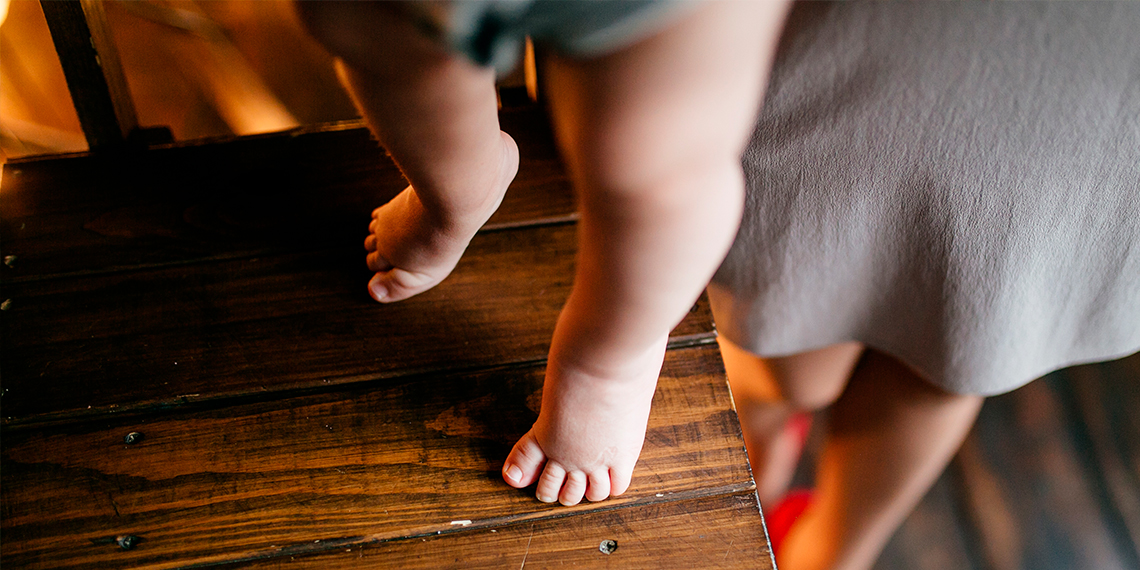
Toe walking refers to a walking pattern in which the child walks on the balls of their feet without letting the heels touch the ground. This is commonly seen in children between the ages of 2 and 3. However, if it continues beyond age 3, it may warrant further evaluation.
While in some children this becomes a habit over time, in others, it may signal an underlying issue with the muscles or nervous system.
Causes of Toe Walking
Toe walking can have various causes, both physiological and behavioral:
- Idiopathic Toe Walking (Cause Unknown)
This is the most common cause. The child does not have any neurological or orthopedic issues. It is simply a habitual walking pattern and may run in families. - Muscle and Tendon Tightness
Children with shortened calf muscles or Achilles tendons may have difficulty placing their heels on the ground, naturally leading to toe walking. - Neurological Conditions
Certain neurological disorders, such as cerebral palsy, can cause muscle spasticity (increased muscle tone), which may prevent the child from walking flat-footed. - Autism Spectrum Disorder (ASD)
Children with autism often have sensory sensitivities. They may dislike the sensation of their feet touching the ground and prefer toe walking. - Sensory Processing Disorder
Some children react excessively or insufficiently to sensory stimuli in their environment. For these children, toe walking may be a coping mechanism.
When Should You See a Specialist?
Consult a pediatrician, physiotherapist, or pediatric neurologist if:
-
Your child is over 3 years old and still walking on their toes
-
They frequently fall or lose balance while walking
-
There is noticeable muscle stiffness or lack of flexibility
-
There is a family history of similar walking patterns
How Can Physiotherapy Help?
Physiotherapy involves exercises specifically designed to strengthen muscles, improve flexibility, and correct gait patterns. Treatment plans are tailored to the individual needs of each child.
Common Physiotherapy Methods Include:
-
Stretching Exercises: Focused on the calf muscles and Achilles tendon to promote heel contact with the ground
-
Balance and Walking Drills: Help improve step mechanics and coordination
-
Play-Based Approaches: Make exercises fun and increase the child’s willingness to participate
-
Orthoses (Support Devices): Ankle-foot orthotics may be used to guide proper foot placement
-
Botox Injections (in some cases): Can be administered by specialists to reduce muscle stiffness
Tips for Parents
-
Observe your child, but don’t panic—consult a specialist when in doubt
-
Turn exercises into playful activities to boost participation
-
Be patient—each child develops at their own pace
-
Follow the individualized physiotherapy program consistently
Conclusion
Toe walking isn’t always a sign of a medical issue. However, if it persists beyond the age of 3, it should not be overlooked. Early evaluation and physiotherapy intervention can correct this habit in most children. A fun, play-based approach tailored to the child’s developmental stage not only improves walking quality but also supports overall motor development.
Source:
International Journal of Clinical Trials – Article #799