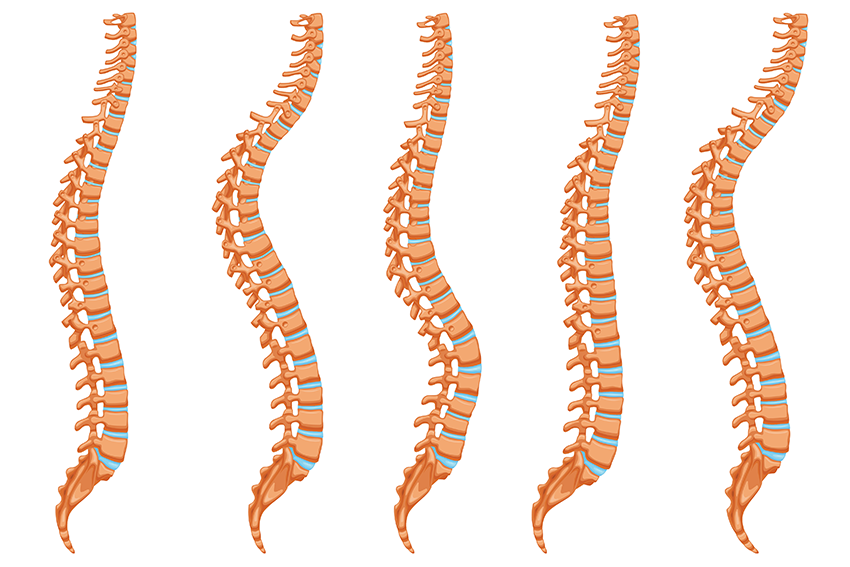
Postural disorders in body structure can lead to pain and movement restrictions. Posture is defined as the arrangement and alignment of body segments. Physical therapy methods are applied for postural disorders and muscle pain. To achieve better posture in daily life, attention is given to movement and sitting habits.
What Is Posture?
Normal posture refers to the balanced distribution of forces applied to the joints across the entire system and the absence of conditions that strain the musculoskeletal system. Proper postural forms begin in childhood. Incorrect postures can lead to deformities in body shape and the emergence of health issues as one ages.
Common Postural Disorders
Postural disorders can cause various health problems in individuals. The most frequently encountered postural disorders include:
- Kyphosis (hunchback)
- Lordosis (swayback)
- Kypholordosis (hunchback and swayback)
- Backward-leaning lumbar
- Rectified lumbar
- Low shoulder
Each postural disorder has different causes. In patients experiencing postural problems, the underlying causes of the posture disorder are first identified, and treatment methods are then applied accordingly.
Symptoms of Postural Disorders
In each type of postural disorder, individuals initially start experiencing muscle pain. In the occurrence of postural disorders, it is observed that the muscles become weak. As the distribution of force applied to the joints changes, the muscles are subjected to uneven loads, leading to pain. Symptoms of postural disorders can manifest in individuals of all ages.
Development of Kyphosis (Hunchback)
Nowadays, many people experience kyphosis. This condition is characterized by an abnormal forward curvature of the spine in the back, representing a type of postural disorder. The most important causes of kyphosis include:
- Flat feet
- Rheumatic diseases
- Lumbar lordosis
- Weak abdominal muscles
- Weak back muscles
- Excess weight
Additionally, in young girls, sitting with a forward lean during the period when breasts begin to develop can also contribute to the development of kyphosis.
Posture Exercises
Various physical exercises can be performed to prevent postural disorders or alleviate their effects. The exercises will help reduce and eliminate the impacts of muscle pain. Posture exercises are categorized into exercises performed while standing, sitting, and lying down. The types of exercises to be performed are determined based on each type of postural disorder and are conducted as regular daily sessions.
This content is intended for informational purposes only. You can consult a specialist physician for diagnosis and treatment. For any questions related to physiotherapy, especially postural disorders, you can reach out to us.