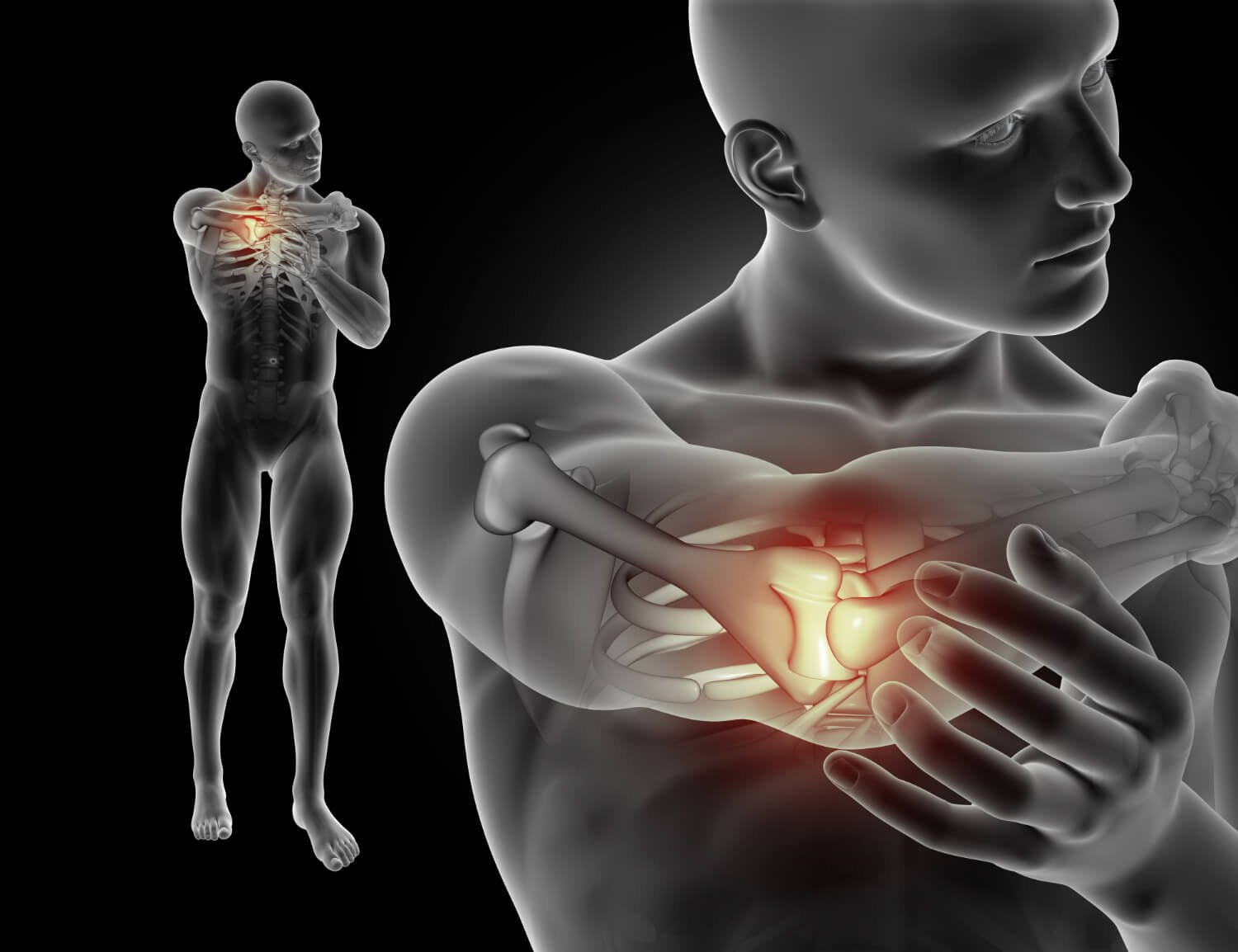
Lateral epicondylitis, commonly known as tennis elbow, is a condition characterized by pain and tenderness on the outer part of the elbow. This condition arises from inflammation or micro-tears in the tendons that attach the forearm muscles to the bony prominence on the outside of the elbow, called the lateral epicondyle. Despite its name, tennis elbow does not only affect tennis players; it can occur in anyone who repetitively uses their forearm muscles.
Causes and Symptoms
Causes:
- Repetitive stress and overuse of the forearm muscles.
- Repetitive movements that require wrist extension or gripping, such as playing tennis, painting, typing, or using hand tools.
Symptoms:
- Pain or burning sensation on the outer part of the elbow.
- Weak grip strength.
- Pain worsened by activities involving the wrist and forearm.
Diagnosis
Healthcare professionals can diagnose lateral epicondylitis through a physical examination, patient history, and sometimes imaging studies like MRI or ultrasound to assess the extent of tendon damage.
Physical Therapy for Lateral Epicondylitis
Physical therapy plays a crucial role in the treatment and management of lateral epicondylitis. Here are some key components of a physical therapy program for this condition:
1.Rest and Activity Modification:
- Initial rest to reduce inflammation.
- Modifying activities to avoid putting more strain on the affected tendons.
2.Cold Therapy Applications:
- Applying an ice pack for 15 minutes several times a day to reduce pain and swelling during the acute phase.
3.Stretching and Strengthening Exercises:
- Stretching: Gentle stretching exercises to maintain flexibility and reduce stiffness in the forearm muscles.
- Strengthening: Gradual resistance exercises to strengthen the forearm extensor muscles. Examples include wrist extension exercises, grip strengthening, and eccentric exercises (slowly lowering the wrist with a weight).
4.Manual Therapy:
- Techniques like deep tissue massage and myofascial release to enhance circulation, reduce muscle tension, and promote healing.
5.Ergonomic Adjustments:
- Recommending appropriate ergonomics for workstations and sports techniques to reduce repetitive strain on the forearm.
6.Support and Brace Use:
- Using counterforce braces or elbow straps to reduce pressure on the tendons during activities.
7.Education and Prevention:
- Teaching patients the importance of proper techniques in sports and daily activities.
- Advising gradual progression in activity levels to prevent recurrence.
8.Dry Needling:
- Dry needling is an effective method used in the treatment of lateral epicondylitis. This technique targets trigger points and tight bands in the muscles. Fine needles are inserted through the skin into trigger points to reduce muscle tension, increase blood flow, and accelerate the healing process.
Conclusion
Lateral epicondylitis can significantly impact daily activities and quality of life, but most people can achieve complete recovery with appropriate physical therapy. A personalized physical therapy program focused on reducing pain, restoring function, and preventing recurrence is essential for effective management. If you think you may have tennis elbow or are experiencing persistent elbow pain, feel free to contact us for an accurate diagnosis and a tailored treatment plan.
Physiotherapist Mustafa Serdar Avunca