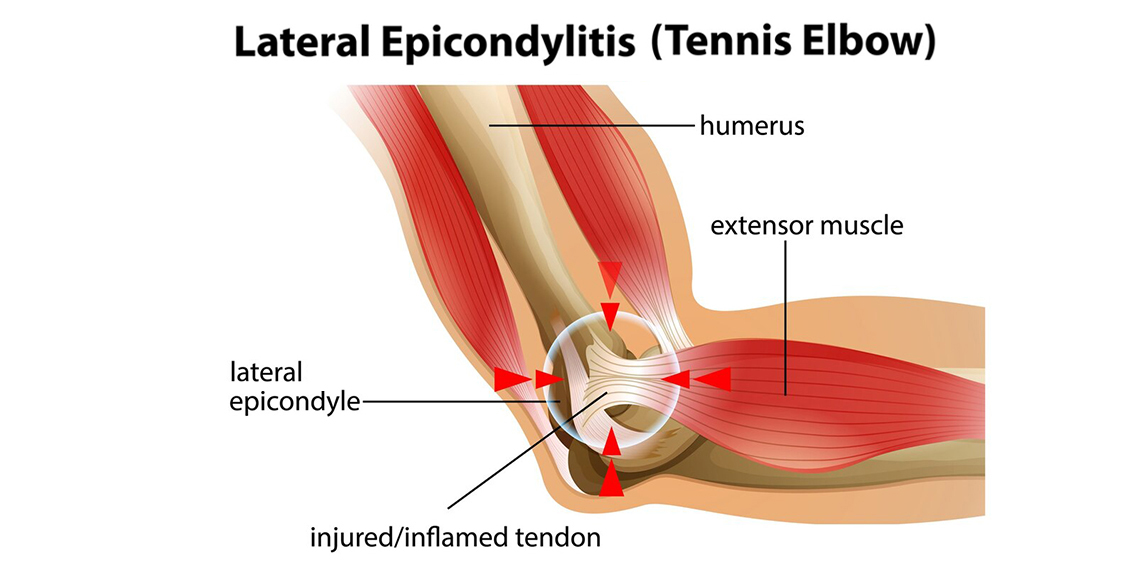
Lateral epicondylitis (tennis elbow) is a condition caused by the overuse of tendons located on the outer part of the elbow. It typically develops due to repetitive hand and wrist movements. While it is commonly seen in tennis players, it is also prevalent among carpenters, butchers, computer users, and individuals who frequently engage in handcrafts.
Symptoms
-
Pain and tenderness on the outer part of the elbow
-
Decreased grip strength
-
Increased pain with wrist movements (e.g., turning a doorknob, shaking hands)
-
Pain radiating from the elbow to the forearm
Treatment Methods
1. Rest and Activity Modification
-
Avoid movements that trigger pain.
-
Limit heavy lifting or repetitive wrist movements.
2. Cold Therapy
-
Applying ice for 15–20 minutes several times a day in the early stages can help reduce inflammation.
3. Physical Therapy and Exercises
Physical therapists play a crucial role in the treatment of lateral epicondylitis, offering personalized treatment plans tailored to the patient’s condition.
Pain Relief Techniques
-
Manual Therapy: Mobilization techniques applied to the elbow, forearm, and wrist joints to improve movement.
-
Soft Tissue Massage: Reduces muscle tension and improves circulation.
-
Ultrasound Therapy: Uses sound waves to generate heat in deep tissues, accelerating healing.
-
TENS (Transcutaneous Electrical Nerve Stimulation): Helps relieve pain by stimulating nerves.
-
Cold and Heat Applications: Used to reduce inflammation or relax muscles.
Exercise Program
-
Stretching Exercises: Helps relieve tension in the forearm muscles and reduces stress on the tendon.
-
Eccentric Exercises: Strengthens the tendon by gradually lengthening the muscles in a controlled manner.
-
Grip and Wrist Strengthening Exercises: Enhances wrist and hand strength for daily activities.
Functional Rehabilitation
-
Patients are taught how to use their elbow properly in daily activities.
-
Ergonomic recommendations are provided to prevent strain from activities such as computer use, handcrafts, and sports.
4. Bracing and Taping (Kinesiology Tape Application)
-
An epicondylitis brace can help reduce stress on the tendon.
-
Kinesiology taping can support muscles and alleviate pain.
5. Shockwave Therapy (ESWT)
-
Used in chronic cases to stimulate tendon healing.
6. Orthotic (Brace) Use
-
Special elbow supports (epicondylitis braces) can help reduce strain on the tendon.
7. Medication Therapy
-
Pain relievers and anti-inflammatory drugs (such as ibuprofen or naproxen) may be recommended.
-
Corticosteroid injections may be used in severe cases.
8. PRP (Platelet-Rich Plasma) Therapy
-
A patient’s own blood is processed to obtain platelet-rich plasma, which is then injected into the affected area to accelerate healing.
9. Surgical Intervention
-
If other treatments fail, surgery may be performed to remove damaged tendon tissue. However, surgery is typically considered a last resort.
Conclusion
Mild cases can improve within a few weeks with rest, ice application, and exercises. However, severe cases may require physical therapy or advanced treatment methods. If symptoms persist, consulting an orthopedic specialist or physical therapist is the best course of action.
Ahmet Olgun