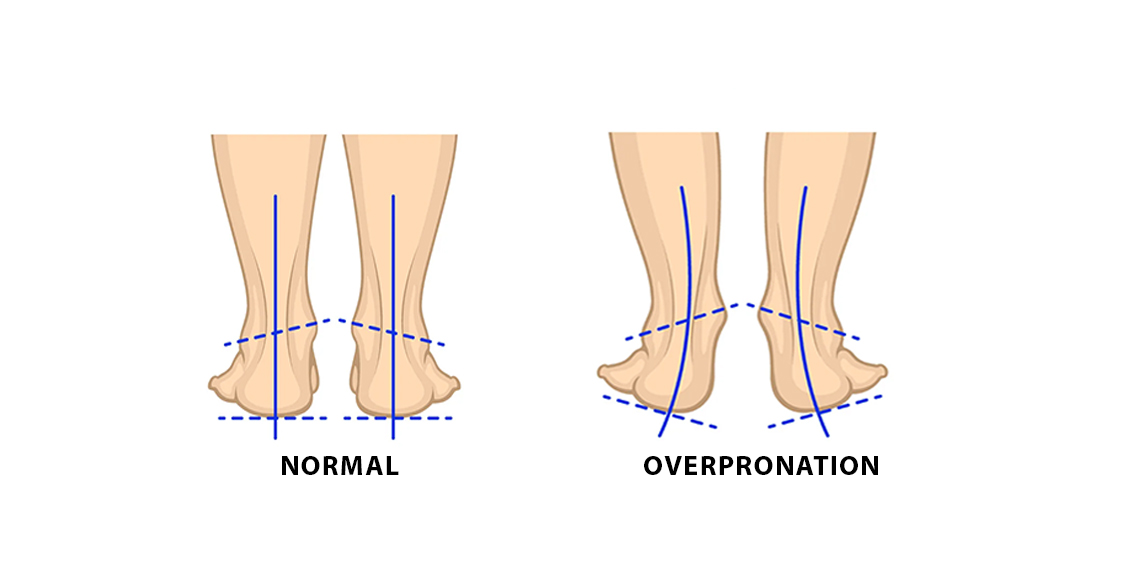
What is Overpronation?
Overpronation occurs when the ankle collapses inward, placing excessive pressure on the inner edge of the foot. It is often associated with pes planovalgus (flat feet) and can lead to misalignment in the knees, hips, and lower back, causing postural issues and pain.
Causes of Overpronation
Several factors can contribute to overpronation, including:
- Genetic predisposition
- Muscle weaknesses (especially in the tibialis posterior muscle)
- Ligament laxity (hypermobility)
- Improper footwear
- Neuromuscular disorders
What is Atlas Therapy?
Atlas therapy is a manual therapy technique focused on correcting misalignment in the first cervical vertebra (atlas). Misalignment of the atlas can lead to postural imbalances, affecting weight distribution and foot mechanics. Since overpronation can be linked to spinal misalignment, atlas therapy may have indirect effects on improving foot posture.
The Effects of Manual Therapy on Overpronation
Although manual therapy does not directly treat overpronation, it can help address musculoskeletal imbalances that contribute to the condition.
- Foot and Ankle Mobilization: Improving ankle joint mobility can enhance proper biomechanics.
- Muscle Balance: The tibialis posterior muscle plays a crucial role in supporting the foot arch. Manual therapy and targeted exercises can activate this muscle, reducing overpronation.
- Hip and Knee Stabilization: Mobilization and strengthening exercises targeting internal rotation tendencies in the knees and hips can improve foot alignment.
- Spinal Adjustments: If postural misalignments exist, manual therapy can help correct spinal and pelvic alignment, indirectly reducing overpronation effects.
Conclusion
Overpronation affects not just the feet but the entire body’s biomechanics. Atlas therapy and manual therapy can help improve postural alignment and muscle balance, alleviating symptoms associated with overpronation. However, for a long-term solution, proper orthotics, strengthening exercises, and professional physiotherapy guidance may be necessary.