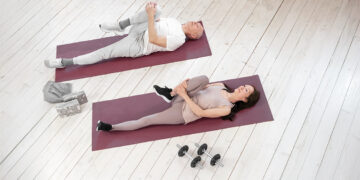
The relationship between physiotherapy and exercise is widely supported by scientific research. Physiotherapy uses exercises as a fundamental tool in the treatment of musculoskeletal disorders, injuries, and chronic illnesses. In this article, we will discuss the effects of exercises on physiotherapy and the scientific evidence in this field.
- The Fundamental Role of Exercises
Exercises are used to increase muscle strength, improve joint range of motion, and enhance overall functional capacity. Physiotherapists develop personalized exercise programs, offering treatment plans tailored to patients’ needs. These exercises serve various goals, including pain management, and the improvement of balance and coordination. - Scientific Research and Evidence
Numerous studies have shown that exercises are effective in physiotherapy processes. For example:Chronic Low Back Pain: A meta-analysis has revealed that exercise therapy is effective in reducing pain and supporting functional improvement in individuals with chronic low back pain. Regular exercise strengthens muscles, supports the spine, and helps reduce pain.
Osteoarthritis: Research conducted on patients with osteoarthritis emphasizes the importance of exercise in maintaining joint range of motion and reducing pain. Strengthening and stretching exercises, in particular, support functional improvement in conditions like knee osteoarthritis.
Neurological Rehabilitation: In post-stroke rehabilitation, physiotherapists use exercises to help patients regain their mobility. Scientific studies support the significant role of aerobic exercises and balance training in recovering neurological functions.
- Exercise and Pain Management
Exercise is an important tool for managing pain. Research indicates that low-intensity aerobic exercises reduce pain levels in patients with chronic pain. Such exercises create a natural analgesic effect by increasing endorphin release. - The Future of Physiotherapy and Exercise
Technological advancements and new scientific research are making physiotherapy and exercise treatments more effective. Wearable devices and virtual reality technologies allow patients to track their exercises more efficiently and monitor their progress.
Conclusion
Physiotherapy and exercise together offer a powerful treatment method. Scientific research proves that properly implemented exercises lead to significant improvements in physiotherapy processes. Physiotherapists will continue to enhance their patients’ quality of life by creating customized exercise programs based on individual needs.